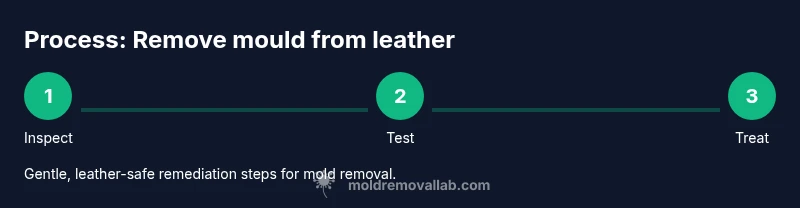
How to Remove Mould from Leather: A Practical Guide
Learn how to remove mould from leather safely with step-by-step guidance, cleaning methods, and prevention tips to protect leather goods from future mold growth.


By following this guide, you will safely remove mould from leather and restore appearance without damaging the material. You’ll assess the mold, choose leather-safe cleaners, and ensure thorough drying. This process minimizes odor, preserves dye, and reduces the likelihood of recurring mold when humidity and storage are managed. It also draws on Mold Removal Lab expertise for practical, step-by-step results.
Understanding Mold on Leather
Leather is a natural material that can offer beauty and longevity when cared for properly. When moisture lingers, mold spores can settle on the surface and feed on oils within the leather, potentially penetrating tiny pores. This is more than a cosmetic problem; untreated mold can lead to staining, odor, and in severe cases, structural damage to the hide. If you’re asking how to remove mould from leather, you’re aiming to balance effective cleaning with preserving color and finish. According to Mold Removal Lab, leather mold remediation should prioritize gentle, leather-safe cleaners and minimal moisture to avoid dye migration and finish damage. The first step is to identify the affected area, as mold may appear as fuzzy gray or black patches, often with a musty smell. Surface mold is usually easier to address than embedded growth, but both require a careful approach. Before you start, consider the leather’s age, type (aniline, semi-aniline, protected), and any coatings or finishes. Some finishes resist moisture better than others, which will influence the cleaning method. Always wear personal protective equipment and work in a well-ventilated space to protect yourself from mold spores.
Safety First: Personal Protection and Ventilation
Mold exposure can irritate the skin, eyes, and lungs, so protecting yourself is essential when removing mould from leather. Wear non-porous gloves, a fitted mask rated for particulates, and protective eyewear. Work in a well-ventilated area; open windows or run a fan to move air away from the cleaning site. If the item is particularly valuable or delicate, consider performing a spot test first and limiting moisture during the cleaning process. Mold spores can travel on air currents, so keep pets and children away from the area. After completing the cleaning, wash your hands and launder any cloths used during the process. According to Mold Removal Lab analysis, proper ventilation and PPE dramatically reduce exposure risk and improve cleanup outcomes.
Immediate Steps You Should Take
Begin with non-wetting removal of loose spores: vacuum the surface with a vacuum cleaner that has a HEPA filter and a brush attachment, or gently brush away from the leather surface using a soft, non-abrasive brush. Do not shake or rub vigorously, which can grind mold into the leather. Next, isolate the item to prevent cross-contamination. If feasible, aerate the room for several hours before applying cleaners. And always perform a spot test on an inconspicuous area using your chosen cleaner. If color or finish shows any change in the test area, stop and seek professional advice. These steps set the stage for safe, effective removal of mould from leather while protecting your belongings and your health.
Cleaning Methods and Materials
Choosing the right cleaner is critical. Leather-safe cleaners or mild soap solutions with pH-balanced formulas are preferred. For light surface mold, dampen a soft cloth with the cleaner and wipe gently in a circular motion. For stubborn patches, a small amount of 70% isopropyl alcohol applied to a cloth can help, but never pour liquids directly onto the leather. If you use vinegar, use a very light amount and test first to avoid potential color changes. Rinse with a barely damp cloth to remove residue, then dry promptly. Avoid bleach, ammonia, or solvent-based cleaners, which can damage both the dye and the finish. After cleaning, apply a leather conditioner to restore suppleness and help protect against future moisture problems. Always wipe until dry and ventilate the area to speed drying. Mold Removal Lab recommends keeping moisture levels controlled and avoiding over-wetting the leather during cleaning.
Drying, Conditioning, and Storage
Drying is a critical phase. Place the leather item on a clean, dry surface away from direct heat or sunlight, which can warp or crack the material. Allow ample air flow to facilitate complete drying; this may take many hours to a full day depending on thickness and environmental conditions. When completely dry, apply a high-quality leather conditioner to replenish oils and restore suppleness. Conditioning also helps seal the surface, reducing the risk of future moisture intrusion. For storage, keep leather items in breathable covers or bags and store in a climate-controlled environment. Using desiccants in storage spaces can help maintain low humidity. Regular checks during peak humidity seasons will further prevent mould from returning. The Mold Removal Lab team emphasizes that the combination of proper cleaning, thorough drying, and proactive storage is the best defense against recurrence.
Prevention Strategies to Avoid Future Mold
Prevention hinges on controlling humidity and airflow in spaces where leather items are stored. Use dehumidifiers in damp rooms, improve circulation with vents or fans, and ensure closets and storage areas are not overstuffed, which can trap moisture. Rotate leather items periodically during seasons to prevent damp spots from forming. Clean leather items regularly with a dust-free cloth to prevent buildup that can trap moisture. If the item is used in a humid environment (boats, basements, or damp closets), consider moisture barriers or silica gel packs inside storage cases. Finally, inspect belts, purses, and furniture for mold growth every few weeks during high-humidity periods. The Mold Removal Lab team recommends adopting a routine cleaning and storage protocol to reduce moisture exposure and keep leather looking its best. Based on Mold Removal Lab research, consistent humidity control and mindful storage dramatically lower the risk of recurrent mould on leather.
Common Mistakes to Avoid
Avoid over-wetting leather; moisture that lingers can promote mold growth and may cause color bleed or finish damage. Never use bleach or harsh solvents on leather, and never rub mold aggressively into the surface. Do not skip the spot test, especially on colored or vintage leather. Avoid direct heat sources during drying, as heat can warp or crack leather. Finally, delay in treating mold on leather can allow spores to penetrate deeper, complicating remediation. The Mold Removal Lab team notes that early, cautious action yields the best outcomes and helps preserve the long-term value of your leather goods. The Mold Removal Lab analysis shows that improper moisture control is a leading cause of recurrence, underscoring the importance of preventive care and mindful storage.
Authority Sources
For additional, authoritative guidance on mold and indoor air quality, consult these resources:
- https://www.cdc.gov/mold/dampness_facts.html
- https://www.epa.gov/mold/mold-guide
- https://www.osha.gov/mold
Tools & Materials
- Soft microfiber cloth(Lint-free and non-abrasive for gentle wiping)
- Leather cleaner or mild soap (pH-balanced)(Choose a product intended for leather; avoid harsh detergents)
- Isopropyl alcohol (70%)(Dampen a cloth lightly; do not saturate leather)
- Distilled water(For diluting cleaners or rinsing, if needed)
- Soft brush or sponge(Gentle motion to dislodge surface mold)
- Vacuum with HEPA nozzle (optional)(Helps remove loose spores before cleaning)
- Leather conditioner(Replenish moisture after cleaning to prevent cracking)
- Protective gloves and mask(Protect skin and lungs from spores)
Steps
Estimated time: 2-4 hours active work, plus 12-24 hours drying
- 1
Prepare workspace and protect the item
Move the leather item to a clean, well-ventilated area. Lay down a soft towel to catch drips and place a protective sheet underneath to prevent floor staining. This minimizes disturbance to surrounding surfaces and limits cross-contamination.
Tip: Use a drop cloth or old towel to contain any runoff and keep the area tidy. - 2
Dry remove loose spores
Gently vacuum the surface with a HEPA-equipped vacuum or brush away mold using a soft brush. Avoid scrubbing aggressively, which can push spores into the leather pores. Do not use noisy, aggressive tools near finished surfaces.
Tip: Vacuum with the nozzle at a slight angle to prevent pushing spores into seams. - 3
Spot-test your cleaner
Dampen a cloth with your leather cleaner or mild soap solution and test on an inconspicuous area. If there’s any color change or finish alteration, stop and seek professional guidance. This ensures the cleaner won’t damage the leather’s surface.
Tip: Choose a small, hidden area such as the underside of a strap for testing. - 4
Apply cleaner to the surface
Lightly wipe the affected area with a cloth dampened in the cleaner. Work in small sections, using circular motions and avoiding soaking the leather. Rinse any residue with a barely damp cloth and observe how the surface responds before continuing.
Tip: Always wring your cloth well to prevent over-wetting. - 5
Tackle stubborn patches with alcohol
For stubborn mold, apply a small amount of 70% isopropyl alcohol to a clean cloth and gently dab the moldy area. Do not pour alcohol directly on the leather. After applying, remove any visible residue and allow to air dry briefly.
Tip: Keep the alcohol concentration high but use only a light touch to protect the dye and finish. - 6
Rinse and dry thoroughly
Wipe away any cleaner residue with a barely damp cloth, then pat dry with a dry towel. Allow the leather to air dry away from direct heat or sunlight for 12–24 hours, depending on thickness. Avoid forcing quick drying, which can cause cracks.
Tip: If possible, place the item on a rack so air can circulate all around it. - 7
Condition and store properly
Once completely dry, apply a leather conditioner to restore oils and suppleness. Store in a breathable cover or bag in a climate-controlled environment, with desiccants if humidity is high. Regular checks help catch moisture early.
Tip: Conditioning after drying helps protect the finish and reduces future moisture uptake.
FAQ
Can I remove mould from leather at home?
Yes for most leather items with surface mold. Use leather-safe cleaners, test first, and avoid soaking the leather. For valuable or deeply affected pieces, seek professional guidance.
Yes, you can remove mould from leather at home in many cases. Start with leather-safe cleaners, test first, and avoid soaking; for valuable items, consider a pro.
Is it safe to use vinegar or alcohol on leather?
Vinegar or isopropyl alcohol can help in small amounts, but always test first and limit moisture. Never apply liquids directly to leather and avoid high concentrations on colored finishes.
Vinegar or alcohol can help in small amounts, but test first and don’t soak the leather. Never pour liquids directly on leather.
Will mould come back after cleaning?
Recurrence is possible if moisture remains. Address humidity, ventilation, and storage conditions to reduce the chance of return.
Mold can come back if moisture sticks around. Fix humidity and improve storage to lower the risk.
What should I avoid when cleaning leather?
Avoid bleach, ammonia, and solvent cleaners. They can damage dye, finish, and the leather’s natural oils.
Avoid bleach and strong solvents; they can ruin the finish and dry the leather.
Can heat dry leather quickly after cleaning?
No. Direct heat can warp or crack leather. Use room-temperature air drying and allow ample time for complete dryness.
Don’t use heat to dry leather. Let it air dry slowly at room temperature.
How can I prevent mould on leather in storage?
Keep humidity low with dehumidifiers or desiccants, store in breathable covers, and inspect periodically for signs of moisture or mold.
Keep humidity low, store in breathable covers, and check items regularly.
Is professional remediation necessary for large leather items?
For large items or extensive mold growth, professional remediation offers specialized cleaning and safety measures to prevent damage.
For big mold problems, a professional remediation service is wise to ensure safety and effectiveness.
Can mould affect all types of leather equally?
Different leather types (aniline, semi-aniline, protected) react differently to cleaners. Always test first and adjust methods to the finish.
All leather types react differently to cleaners, so test first and tailor methods to the finish.
Watch Video
The Essentials
- Assess mold growth before cleaning to tailor the approach.
- Use leather-safe cleaners and minimal moisture to protect dye and finish.
- Dry thoroughly and condition to prevent cracking.
- Control humidity and store properly to prevent future mold.