How to Remove Mold from Leather: A Practical Guide
A thorough, step-by-step guide to safely remove mold from leather and prevent recurrence. Learn testing, cleaning options, drying, conditioning, and maintenance tips for leather goods.


By following these steps, you will safely remove mold from leather and minimize damage to your belongings. This quick guide highlights essential prep, tested cleaning methods, drying and conditioning, and strategies to prevent recurrence. You'll learn how to identify mold, choose the right cleaners, and avoid common leather-safe mistakes. Access the full step-by-step below for practical actions you can complete in under an hour.
What Mold Does to Leather
Mold on leather is more than a stain—it signals moisture and microbial growth that can weaken fibers over time. Leather is porous, and when damp conditions persist, mold spores settle into the grain, appearing as fuzzy patches, dark spots, or pale discoloration. Left untreated, mold can cause staining, a musty odor, and accelerated drying that leads to stiffness, cracking, or loss of luster. According to Mold Removal Lab, quick identification and controlled cleaning preserve the leather's look and longevity while reducing the risk of recontamination. Understanding the difference between surface mold and embedded mold helps you decide whether a professional assessment is needed or if home remediation is sufficient. In most cases, surface growth on items like jackets, bags, or furniture can be addressed with careful cleaning and thorough drying, followed by conditioning to restore suppleness.
What You'll Need to Get Started
Preparing the right tools and workspace is essential for successful leather mold remediation. You’ll need a clean, well-ventilated area, PPE to protect your lungs and skin, and materials that are gentle on leather. The goal is to remove visible mold and spores without saturating the leather, then dry it completely to prevent regrowth. Mold Removal Lab’s guidance emphasizes using leather-safe cleaners and minimal moisture, testing any cleaner on a hidden area first. In most cases, a mild cleaner, a soft cloth, and proper drying will remove the bulk of mold and reduce odor, while conditioner helps restore softness and shine. Remember, patience matters: rushing cleanup can push moisture deeper into the hide and create new mold pockets.
Safety and Prep: PPE, Ventilation, and Workspace
Before handling mold, set up a ventilated space and wear protective gear. A disposable mask, gloves, and eye protection help reduce inhalation and skin contact with spores. Open windows or run a fan to create airflow, but avoid spreading spores to other rooms. Move any delicate items away from the cleaning zone, and cover nearby surfaces with a cloth to catch debris. Testing a small area of the leather with your chosen cleaner is essential to ensure there’s no color change or damage. According to Mold Removal Lab, thorough ventilation combined with gentle cleaning minimizes risk to you and your belongings.
Cleaning Solutions: Leather-Safe Options That Work
Leather responds best to mild, pH-balanced cleaners designed for sensitive hides. A simple mixture of distilled water with a small amount of mild soap can work for light mold. For tougher patches, a 70% isopropyl alcohol applied sparingly with a cloth can effectively disinfect without soaking the leather. Avoid bleach or ammonia-based products, which can permanently damage finish and color. White vinegar, when diluted, is another option for a mild disinfection, but always test first in an inconspicuous spot. After applying any liquid, use a clean, damp cloth to rinse away residue and prevent streaking. Finally, apply a leather conditioner to restore moisture and flexibility after the surface is completely dry.
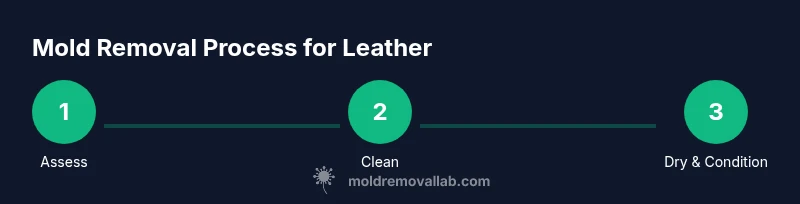
Step-by-Step Cleaning Method: See the dedicated steps below for a detailed sequence. This section provides the rationale behind each action and how to adapt for different leather types (nappa, full-grain, suede). Always start with the least aggressive method and escalate only if needed. The goal is to remove mold without compromising texture, color, or structural integrity.
Drying and Conditioning: Post-Clean Care
After cleaning, drying is the most critical phase. Leather should dry slowly at room temperature away from direct heat or sunlight, which can cause drying and cracking. Use a clean, dry microfiber cloth to blot away excess moisture, then allow air to circulate with a fan or dehumidifier nearby. Once dry, apply a conditioner appropriate for your leather type to replace lipids lost during cleaning. Conditioning helps maintain suppleness, reduces future cracking, and can deter new mold growth by keeping the surface slightly tacky to prevent moisture absorption. If odor lingers, repeating a light cleaning cycle with careful drying can help without over-saturating the material.
Preventing Mold Recurrence on Leather: Practical Prevention Tips
Prevention starts with controlling humidity and storage conditions. Keep leather items in a cool, dry place with good air movement. Use desiccants or a dehumidifier in closets or storage areas to maintain low relative humidity, ideally below 50-60%. Store items in breathable bags or cases to allow moisture to escape rather than trapping it inside. Regularly inspect leather goods for hints of moisture or odor and treat promptly. Cleaning and conditioning every few months helps maintain the finish and resilience against mold. Following these practices helps maintain leather’s appearance while reducing the chance of future mold growth.
Common Mistakes to Avoid: Don’t Sabotage Your Leather
Avoid soaking leather or using aggressive chemicals that strip color and finish. Never place leather near heaters or in direct sunlight during drying. Don’t reuse cleaning cloths that have mold residue on them—they’ll reintroduce spores. Skipping the test patch can lead to color changes and irreversible damage. If you’re working on vintage or highly valued pieces, proceed with caution and consider a professional assessment if you’re unsure about the leather’s tolerance to any cleaner.
When to Seek Pro Help: Knowing Your Limits
If mold covers large areas, if you notice persistent odors after cleaning, or if the leather shows deep staining or structural degradation, professional remediation is warranted. A pro can assess hidden mold pockets and provide specialized cleaning and restoration services that protect the leather’s value. Mold Removal Lab suggests weighing the cost and risk by piece and scenario to determine whether DIY remediation will meet your expectations or if expert help is required.
Tools & Materials
- microfiber cloths(soft, lint-free; for wiping and buffing)
- soft-bristled brush(gently loosen mold without scratching)
- HEPA vacuum with brush attachment(for removing loose spores before cleaning)
- isopropyl alcohol 70%(apply sparingly with a cloth; test first)
- mild pH-neutral leather cleaner(designed for leather surfaces)
- distilled water(for rinsing and dampening cloths)
- white vinegar (diluted 1:1)(optional mild disinfectant; test first)
- leather conditioner(restores moisture after drying)
- spray bottle(for applying cleaner evenly)
- nitrile gloves(protect hands from mold and cleaners)
- mask (N95 or equivalent)(protect lungs from spores)
- dehumidifier or portable fan(facilitates thorough drying)
Steps
Estimated time: 60-90 minutes
- 1
Wear PPE and prepare workspace
Put on a disposable mask, gloves, and eye protection. Ventilate the area and clear the surroundings to prevent spreading spores. This protects you and reduces airborne contamination while you work.
Tip: Ensure pets and children are kept away; open a window or use a fan to maintain airflow. - 2
Isolate the affected area
Create a defined cleaning zone using barriers or towels to limit spore movement. Remove nearby items if they’re reusable leather and may be contaminated. Isolation helps protect other surfaces and reduces cleanup complexity.
Tip: Place a tray or plastic sheet under the area to catch drips and debris. - 3
Gently remove loose mold spores
Use a soft-bristled brush to lift loose spores from the leather surface with light, sweeping motions. Do not scrub hard, which can push moisture into the grain and worsen damage.
Tip: Work in small sections to avoid dispersing spores into the air. - 4
Test cleaner on a hidden area
Before applying cleaner widely, test in an inconspicuous spot to check for color change or finish damage. This step protects the leather’s appearance from unexpected reactions.
Tip: If color changes, reassess cleaner choice and adjust technique. - 5
Apply cleaner to moldy area
Dampen a microfiber cloth with your chosen cleaner (do not soak). Gently wipe the mold patch in the direction of the grain, applying minimal moisture to avoid saturating the leather.
Tip: Avoid circular scrubbing; straight, directional motions preserve texture. - 6
Rinse and wipe away residue
Wipe with a clean, damp cloth to remove any cleaner residue. Repeat as needed until the surface feels dry to the touch and no film remains.
Tip: Use distilled water to prevent minerals from staining the leather. - 7
Dry thoroughly
Allow the leather to dry at room temperature in a ventilated area. Do not use direct heat or sunlight, which can cause cracking or fading. Elevate the item if possible to promote even drying.
Tip: If the item is large, position a fan at a safe distance to improve air flow. - 8
Condition and buff
Once fully dry, apply a leather conditioner appropriate for your item’s type. Massage it in gently and buff with a clean cloth to restore luster and flexibility.
Tip: Follow product directions and avoid over-conditioning to prevent a sticky residue.
FAQ
Can mold be completely removed from leather?
Surface mold can often be removed with careful cleaning and drying, but deeply embedded mold may cause lasting staining or odor. Leather condition and finish can influence results, and some high-value pieces may require professional assessment.
Surface mold can usually be removed with proper cleaning and drying, but deeply embedded mold may leave stains or odor. Conditioning helps, and professional help may be needed for valuable items.
Is vinegar safe for leather mold removal?
Diluted white vinegar can be used as a mild disinfectant on some leathers, but always test first. If color shift or finish change occurs, discontinue use and switch to milder cleaners.
Diluted vinegar can be used cautiously after testing, but stop if you notice color or finish changes.
Is bleach safe on leather?
Bleach is not recommended for leather. It can cause fading, drying, and structural damage. Use leather-safe cleaners and milder options instead.
Bleach should be avoided on leather due to possible damage and fading.
How long does leather take to dry after cleaning?
Drying times vary with humidity, but plan for 24-48 hours in a well-ventilated space. Slow, air-based drying reduces cracking and preserves finish.
Drying typically takes about one to two days in good airflow; avoid heat.
Should I condition leather after cleaning mold?
Yes. Conditioning restores moisture and helps prevent future dryness that can invite cracking and mold recurrence. Use a conditioner suited to your leather type.
Yes, conditioning after cleaning helps keep the leather supple and more resistant to future mold.
When should I seek professional remediation?
If mold covers large areas, recurs after cleaning, or the leather is valuable or damaged, professional remediation is advised. A pro can address hidden pockets and restore the item more safely.
Consider professional help if mold is widespread or keeps returning.
Watch Video
The Essentials
- Act promptly to prevent mold spread on leather.
- Use leather-safe cleaners and minimal moisture.
- Dry thoroughly and condition to restore suppleness.
- Test patches before applying cleaners widely.
- Prevent recurrence with humidity control and proper storage.