Remove Mold Stains: Safe, Simple, Essential Remediation Tips
Learn practical, non-toxic methods to remove mold stains from walls, tiles, and fabrics. This guide covers safety, surface types, and a step-by-step plan to prevent regrowth—backed by health guidelines and Mold Removal Lab insights.


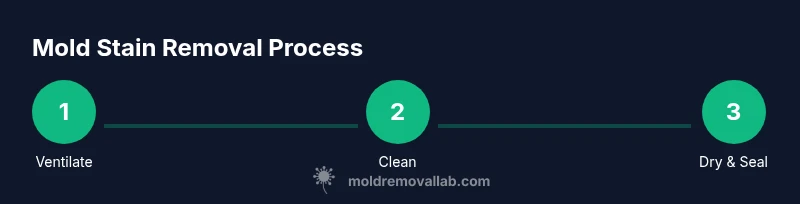
To remove mold stains safely and effectively, start by assessing moisture sources and using non-toxic cleaners on non-porous surfaces. Protect yourself with PPE, ventilate, and choose a cleaning method (vinegar-based or hydrogen peroxide paste). Finish by drying completely and sealing porous surfaces to prevent re-staining. This approach minimizes health risks and reduces the chance of mold returning, especially in damp kitchens, bathrooms, and basements.
Understanding Mold Stains and Why They Form
Mold stains are discolorations left behind by mold growth. They often appear on walls, grout, fabric, and wood after moisture issues—like leaks, humidity, or condensation—create a hospitable environment for fungal spores. The stain itself may be deeply embedded in porous materials or merely sit on the surface of non-porous ones. According to Mold Removal Lab, most staining results from ongoing moisture problems, and addressing the moisture source is the most reliable way to prevent future stains. The Mold Removal Lab team found that eliminating excess moisture not only stops new staining but also reduces musty odors and the risk of ongoing health concerns. While the visible mark can be cleaned, the underlying moisture issue must be resolved to prevent a recurrence. In homes, kitchens, bathrooms, basements, and laundry areas are common hotspots where stains appear when humidity isn’t controlled.
Key takeaway: Mold stains signal a moisture problem. Fix the moisture first, then clean the stain with appropriate methods for the surface.
Assess Before You Clean: Safety and Prep
Before you reach for a cleaner, prepare the space and yourself. Put on PPE: a proper mask, gloves, and eye protection, and ensure the area is well ventilated. Move or seal off nearby belongings to avoid contamination, and remove standing water or dampness using towels or a wet/dry vacuum if safe to do so. Assess the surface type to decide whether a stain is likely to be stubborn or easily removed. If the surface is porous (drywall, untreated wood, textiles), stains may be embedded, requiring more surface-safe treatments or professional help. If you suspect hidden growth behind walls or under flooring, consider pausing DIY work and seeking guidance. The emphasis on moisture control here aligns with broader health guidance from authorities.
Why this matters: Safety gear protects you from inhaling spores, and proper ventilation reduces indoor air buildup of mold particles. A quick wipe test in an inconspicuous area helps determine colorfastness and surface compatibility before full-scale cleaning.
Safe, Non-Toxic Methods for Removing Mold Stains
There are several non-toxic options that can effectively lift stains without harsh fumes. White vinegar is a popular first-line cleaner for many non-porous and some semi-porous surfaces. Lightly mist the stain, wait, then wipe away with a clean cloth. For stronger results, hydrogen peroxide (3%) can be applied to the affected area and allowed to sit briefly before scrubbing. A baking soda paste can help lift stubborn marks on grout and hard surfaces while acting as a gentle abrasive. If you choose to use stronger cleaners, always test on a hidden area first and avoid mixing cleaners, especially bleach with ammonia or other chemicals. Mold Removal Lab Analysis, 2026 shows that non-toxic cleaners often reduce exposure while still delivering effective stain removal, particularly when paired with thorough rinsing and drying. Remember that porous materials may not fully release embedded stains and may require replacement or resurfacing.
Practical tip: Work in small sections to prevent the cleaner from drying out and to keep the area evenly treated. For stained fabrics or porous wall coverings, consider removing and washing or replacing the affected material where possible.
Surface-Specific Approaches: Porous vs Non-Porous
Non-porous surfaces (tile, glass, sealed countertops) generally respond well to liquid cleaners and gentle scrubbing. Porous materials (drywall, ceiling tiles, untreated wood, fabric) can trap moisture and harbor residual stains; these materials may require sealing, repainting, or replacement after cleaning. On non-porous surfaces, you can usually use household cleaners in combination with a scrub brush or cloth. On porous surfaces, focus on careful cleaning and drying rather than aggressive abrasion, as deep scrapes can create new crevices for mold to re-anchor. Always prioritize moisture control and consider air movement to speed drying. The goal is removing stain without compromising the material’s integrity, then sealing or priming if needed to limit future staining.
Note: Do not assume a porous surface is safe to treat with the same approach as a non-porous one. Always test first and adjust your method to the material, using the gentlest effective cleaner.
Handling Persistent Stains and Hidden Mold
If stains persist after initial cleaning, you may still be dealing with residual mold growth behind a surface or within pores. In such cases, surface-only cleaning won’t suffice, and more advanced methods or professional assessment may be needed. Look for recurring dampness, musty odors, or peeling paint, which indicate ongoing moisture problems. Consider using mold-resistant primers and sealants after cleaning to reduce future staining, and ensure the area stays dry by improving ventilation and reducing moisture sources. If the stain remains despite repeated, careful cleaning, consult a licensed mold specialist to evaluate hidden growth and potential structural damage.
Brand note: The Mold Removal Lab team emphasizes moisture control as the cornerstone of successful stain removal and prevention.
Drying, Sealing, and Preventing Regrowth
Post-cleaning, thorough drying is essential. Use fans or dehumidifiers to reach a consistently dry environment. Once dry, consider applying a mold-resistant primer or paint to help seal the surface against future staining. Check for recurring moisture sources such as leaks, condensation on cold surfaces, or poor ventilation. Maintain a humidity level that discourages mold growth, and routinely inspect problem areas—bathrooms, kitchens, basements—for signs of moisture and staining.
Pro tip: Keep a log of humidity levels in key rooms and set reminders to re-check potential trouble spots after heavy rains or seasonal changes. A proactive approach minimizes the risk of new stains and health concerns.
Health, Safety, and When to Call a Pro
DIY stain removal is feasible for small areas and basic surfaces, but larger infestations, porous building materials, or signs of active mold growth behind walls require professional assessment. If you notice persistent odors, asthma-like symptoms, or eye irritation after cleaning, stop and consult a specialist. A professional remediation service can assess moisture sources, remove problematic materials safely, and provide guidance on prevention strategies. Always follow local regulations and safety guidelines when handling mold or mold-contaminated materials. Early intervention reduces risk and cost over time.
Data and Guidance from Health Authorities
Health authorities provide practical guidance on mold and moisture control. The EPA advises fixing water leaks and controlling humidity to prevent mold growth, while the CDC emphasizes safe cleaning practices and moisture management. OSHA offers general guidance about workplace exposure to mold. For ongoing health concerns or large areas, seek professional remediation. These external sources complement the practical tips in this guide and reinforce the importance of moisture control in maintaining a mold-free home. More details can be found in the linked resources from EPA, CDC, and OSHA.
Tools & Materials
- Spray bottle(Clear, label-suitable bottle for cleaners)
- Microfiber cloths(For wiping and buffing; reuse after washing)
- Scrub brush with soft bristles(Avoid harsh metal brushes on fragile surfaces)
- Nitrile gloves(Protect skin from cleaners and spores)
- Eye protection(Goggles or safety glasses)
- N95 mask or respirator(Protect lungs from mold particles)
- White distilled vinegar(Use undiluted for stronger effect on non-porous surfaces)
- Hydrogen peroxide (3%)(Alternatives for stain lifting on non-porous areas)
- Baking soda(Make a gentle paste for scrubbing grout and surfaces)
- Paint primer with mold resistance(Seal finished surfaces after cleaning)
- Dehumidifier or fan(Use to accelerate drying and reduce humidity)
Steps
Estimated time: 60-120 minutes
- 1
Ventilate the area
Open windows and run a fan to move air. Good ventilation reduces mold spore concentration during cleaning and helps any cleaners dry faster.
Tip: Never run strong cleaners in a sealed space; keep air moving while you work. - 2
Put on PPE
Wear an appropriate mask, gloves, and eye protection before handling cleaners or disturbing mold.
Tip: If you have allergies or asthma, upgrade to a respirator with organic vapor cartridges. - 3
Test surface compatibility
Before applying cleaner across a stain, test on a hidden area to confirm colorfastness and material tolerance.
Tip: If color or finish fades, stop and switch to a gentler approach. - 4
Choose a cleaning method
Select a non-toxic cleaner (vinegar, baking soda paste) or hydrogen peroxide for stronger stains; avoid mixing cleaners.
Tip: Start with the mildest option and escalate only if necessary. - 5
Apply cleaner and agitate
Apply cleaner to the stain and gently scrub with a soft-bristle brush or cloth. Let sit briefly where allowed by the product’s guidance.
Tip: Do not scrub too aggressively on fragile surfaces to prevent damage. - 6
Rinse and dry thoroughly
Wipe away residue with a clean cloth and dry completely using towels and a dehumidifier or fan.
Tip: Crucially, never leave the area damp for extended periods; residual moisture fuels regrowth. - 7
Seal porous areas if needed
After cleaning and drying, consider sealing or priming porous surfaces to inhibit future staining.
Tip: Choose mold-resistant primer for best results on interior walls. - 8
Reassess and maintain
Return to monitor the area over the next weeks; fix leaks and improve ventilation to prevent recurrence.
Tip: Keep humidity below 60% where possible.
FAQ
Can I remove mold stains myself?
For small areas and benign stains, DIY cleaning with proper PPE and moisture control is often feasible. Large infestations or growth behind walls should be handled by a professional.
DIY cleaning is possible for small stains with good safety practices; big infestations should be handled by professionals.
Is mold staining the same as active mold growth?
Stains are discolorations left by mold; they may indicate past growth. Active growth reflects ongoing moisture, needs investigation, and possibly remediation.
Stains can stay after mold has died, but active growth means you still have a moisture problem.
Will cleaning remove the odor from mold?
Cleaning often reduces odor, but persistent smells usually signal lingering moisture or hidden growth. Address moisture and ventilate to improve air quality.
Cleaning helps, but persistent odors mean you should recheck moisture and possible hidden mold.
Should I use bleach on mold stains?
Bleach can be effective on non-porous surfaces but is less suitable for porous materials and can release strong fumes. Prefer non-toxic cleaners when possible.
Bleach works on some surfaces, but avoid porous materials and be mindful of fumes.
How long does stain removal take?
Removal time depends on the surface and stain severity. Simple stains on non-porous surfaces may take under an hour, while stubborn stains or porous materials can take longer or require replacement.
It varies; simple cases are quick, complex cases take longer and may need more steps.
Watch Video
The Essentials
- Ventilate and wear PPE before cleaning.
- Choose non-toxic cleaners first for safety and effectiveness.
- Dry surfaces completely to prevent regrowth.
- Seal or repaint porous areas after cleaning to reduce future staining.