How to Remove Mold from Drywall: Safe, Practical Guide
Learn safe, practical steps to remove mold from drywall, assess moisture sources, decide cleaning vs replacement, and prevent recurrence with expert guidance from Mold Removal Lab.


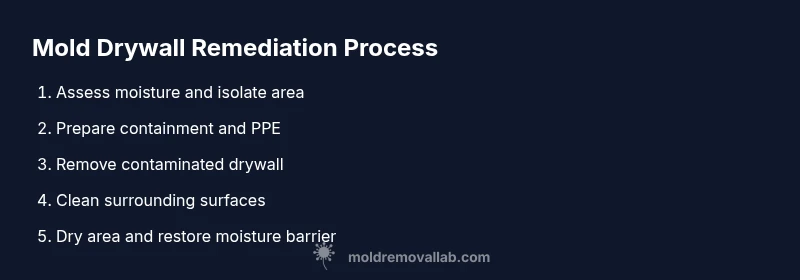
You can safely remove mold from drywall by isolating the area, wearing PPE, removing moldy drywall, cleaning neighboring surfaces, and drying the space thoroughly. If mold covers large areas, grows behind walls, or you have health issues, stop the DIY and hire a qualified remediator. Always address moisture sources to prevent recurrence.
Understanding drywall mold and why it happens
Mold on drywall occurs where moisture, warmth, and organic material intersect. The goal of removing mold drywall is to halt moisture, extract contaminated material, and restore a safe living space. According to Mold Removal Lab, effective remediation starts with pinpointing the moisture source and establishing containment to minimize spore spread. In many homes, hidden moisture behind walls, roof leaks, or bathroom humidity create ideal conditions for mold growth. When you notice stains, a musty smell, or visible growth, act promptly. The root cause is usually excess moisture, not just the mold itself, so remediation should target both the mold and the moisture source. By taking deliberate steps, homeowners can reduce the chance of recurrence and protect indoor air quality.
The Mold Removal Lab team emphasizes documenting moisture patterns and keeping a log of repairs to help track progress over time. Early detection combined with a plan that addresses drainage, ventilation, and cleaning agents improves outcomes and reduces the likelihood of mold returning after drywall remediation.
Health risks and why you should act now
Mold on drywall can trigger a range of health concerns, from mild allergic reactions to more significant respiratory symptoms, especially for children, the elderly, or people with asthma or compromised immune systems. Prolonged exposure to damp environments where mold thrives may worsen chronic conditions. The decision to remove mold drywall should consider household health risks and the potential for spores to become airborne during disturbance. While some people tolerate mold well, others experience sinus irritation, coughing, headaches, or skin reactions after exposure. In extreme cases or with visible black mold, professional assessment is strongly advised to ensure safe containment and proper remediation.
From a health and safety perspective, it is essential to avoid disturbing mold unnecessarily and to minimize airflow across contaminated surfaces until proper containment is in place. Always prioritize occupant safety and monitor symptoms—if anyone experiences persistent irritation, seek medical advice and pause cleanup until a plan is in place. Mold can be a sign of ongoing moisture issues, so addressing the root cause is part of responsible remediation.
Safety gear and containment basics
Before any work begins, assemble basic PPE: an N95 respirator (or better), protective goggles, gloves, and disposable coveralls. Containment starts with sealing off the work area using heavy-duty plastic sheeting, tape, and a dedicated waste path to prevent cross-contamination. A proper containment plan reduces the spread of mold spores to adjacent rooms and keeps cleanup manageable. If the mold area is in a bathroom or kitchen, consider temporarily shutting doors and closing off vents to minimize airflow. A HEPA-filter vacuum and air mover can assist in dust control and moisture removal, but use them only after containment has been established. Remember, working with mold is not just a surface issue—hidden colonies behind walls can complicate cleanup, so plan for thorough inspection of adjacent spaces.
By wearing appropriate PPE and setting up containment, you reduce exposure risk and make the remediation process safer for you and your household. The following steps outline a methodical approach to handling drywall mold with safety and effectiveness.
When to remove drywall and what to replace
If the mold has penetrated the drywall deeply or has extended into insulation or studs, removal is typically the most reliable option. Simple surface mold on painted drywall may be addressable with cleaning, but porous or textured drywall that has absorbed moisture usually needs replacement. In bathrooms or kitchens with ongoing moisture, replacing drywall with a moisture-resistant board and sealing edges helps prevent future issues. If you’re unsure about the extent of contamination, consider a professional mold assessment to determine whether cleaning will suffice or if structural materials must be replaced. Remember, the goal is to remove the mold while preventing new growth by eliminating the moisture source.
This decision impacts cost, time, and long-term indoor air quality, so weigh the benefits and risks carefully.
Containment and clean-room setup
A proper clean-room setup minimizes cross-contamination during drywall remediation. Start by closing doors, turning off HVAC fans operating in the affected space, and sealing vents if possible. Create a dedicated waste path using plastic sheeting to transport contaminated drywall to the outside or to a lined waste container. Before cleanup, verify you have adequate drainage and electrical safety in place, and ensure children and pets remain outside the work zone. Maintain a stable environment with low humidity during work to discourage mold spores from becoming airborne. After the decontamination phase, vacuum the area with a HEPA filter to remove residual particles. A well-executed containment plan protects you and your family while improving cleanup outcomes.
The containment setup is as important as the cleaning itself, so take time to prepare thoughtfully and thoroughly.
Cleaning vs replacement: options for different scenarios
For non-porous surfaces or small, localized mold stains, targeted cleaning combined with proper drying may be sufficient. Use a mild detergent and water to scrub mold from painted drywall, followed by thorough drying. If mold has penetrated the drywall to the core, replacement is usually the best option to prevent recurrence. In areas with continuous moisture, you may want to install moisture-resistant drywall and install a vapor barrier to discourage future growth. Always compare the effort and cost of cleaning to the cost and durability of replacement, keeping in mind that remediation should aim for a lasting solution rather than a quick fix. Planning for long-term moisture control is essential.
If you replace drywall, ensure any studs or cavities are dry and free of mold before installation.
Drying, monitoring, and preventing recurrence
After cleaning or replacing drywall, drying is the most critical step. Use dehumidifiers and high-capacity air movers to achieve a consistently dry environment, ideally below the surface moisture threshold. Check for hidden dampness in studs, joists, and insulation using a moisture meter if available. Reassess the humidity sources in the room: fix leaks, improve ventilation, and consider a bathroom exhaust fan with a timer or a humidity-sensing model. Apply a mold-resistant primer and paint to finished surfaces to create a inhospitable environment for future growth. Ongoing maintenance—monitoring humidity levels and addressing moisture promptly—helps ensure the durability of your remediation efforts.
The long-term success hinges on moisture control, proper drying, and vigilant maintenance to prevent a relapse.
DIY vs professional remediation: decision framework
DIY remediation can be appropriate for small, clearly defined areas and when you have the right safety equipment and knowledge. However, when mold is widespread, hidden, or involves structural materials, professional remediation is usually the safer and more effective route. A licensed mold remediation contractor can perform a thorough assessment, manage containment, handle disposal of contaminated materials, and ensure that all moisture sources are addressed. If you or anyone in the home has health concerns, or the mold covers a large area, consulting a pro is strongly advised. The goal is to achieve a safe, durable result without compromising occupant health or building integrity.
This decision framework helps homeowners decide when to tackle the job themselves and when to seek expertise.
Authority sources and references
- Environmental Protection Agency (EPA) mold guidance: https://www.epa.gov/mold
- CDC dampness and mold in homes: https://www.cdc.gov/mold/dampness/index.html
- University Extension resource on molds and moisture: https://extension.illinois.edu/molds
What Mold Removal Lab recommends for homeowners
The Mold Removal Lab team recommends starting with a clear plan that includes containment, moisture control, and a decision on whether to clean or replace affected drywall. Always address the moisture source first, since moisture drives mold growth. Use proper PPE, and follow a step-by-step approach to remove contaminated materials safely. After remediation, monitor humidity and implement preventive measures to reduce the chance of recurrence. Consistent maintenance and attention to moisture management are the best defense against future mold issues.
Tools & Materials
- N95 respirator or higher(Fit-tested if possible; substitute with P100 if available)
- Protective goggles(Seal eyes from spores)
- Chemical-resistant gloves(Nitrile or butyl recommended)
- Disposable coveralls(Long sleeves; keep cleanroom uncontaminated)
- Plastic sheeting (6 mil or thicker)(To create containment barriers)
- Duct tape or painter's tape(Seal plastic barriers)
- Heavy-duty trash bags(For contaminated drywall and debris)
- Scrub brushes and sponges(Non-porous surfaces; used with detergent)
- Mild detergent or cleaning solution(For initial cleaning; avoid strong solvents on porous drywall)
- HEPA vacuum with certified filters(For dust control during cleanup)
- Dehumidifier or high-capacity air mover(Promotes rapid drying)
- Moisture meter (optional)(To track moisture levels in walls)
- Moisture barrier or mold-resistant primer (optional)(Used when finishing recovered walls)
Steps
Estimated time: 6-12 hours
- 1
Isolate the work area
Close off the room and set up plastic barriers to prevent mold spores from spreading. Disable HVAC in this zone to avoid circulating contaminants.
Tip: Seal all gaps and tape edges to create a tight containment envelope. - 2
Wear proper PPE
Put on an N95 respirator, eye protection, gloves, and a disposable coverall. PPE reduces inhalation and skin contact with mold spores.
Tip: Double-check fit of the respirator and replace if uncomfortable. - 3
Contain the debris path
Create a dedicated waste path using plastic sheeting to carry removed drywall straight to sealed bags, minimizing cross-contamination.
Tip: Keep the waste bag closed when not actively carrying debris. - 4
Remove moldy drywall
Carefully cut out and remove affected drywall. Avoid smashing moldy material to prevent spore release.
Tip: Work from top to bottom to control debris flow. - 5
Seal and bag waste
Place contaminated drywall and detritus in heavy-duty bags and seal before removal from containment area.
Tip: Label bags clearly as mold-contaminated for disposal. - 6
Clean adjacent surfaces
Scrub nearby studs, studs edges, and non-porous surfaces with detergent solutions and wipe with a damp cloth.
Tip: Rinse with clean water and allow to air-dry. - 7
Dry the space thoroughly
Run a dehumidifier and air movers to achieve complete dryness. Monitor moisture levels until consistent readings are reached.
Tip: Aim for humidity below 50% where possible. - 8
Inspect for hidden mold
Check behind walls and in insulation using a moisture meter or infrared imaging if available.
Tip: If you suspect hidden contamination, pause and consult a professional. - 9
Repair and seal moisture sources
Address leaks, install new moisture-resistant drywall if needed, and apply appropriate vapor barriers.
Tip: Ensure ventilation improvements are in place to prevent future moisture buildup. - 10
Document and plan prevention
Take photos of the remediation, note moisture sources addressed, and set up ongoing humidity monitoring.
Tip: Create a maintenance checklist to catch issues early.
FAQ
Is it safe to remove mold drywall myself?
DIY remediation can be safe for small, clearly defined areas with proper PPE and containment. If mold covers a large area, is behind walls, or you have health concerns, hire a professional.
DIY can be safe for small patches with the right gear, but large or hidden mold is better handled by a pro.
Do I need to remove all mold-affected drywall?
If mold has penetrated the core of the drywall or reached insulation or studs, replacement is usually advised to prevent regrowth. Minor surface staining may be cleaned, but effectiveness depends on extent.
If the mold has penetrated deep, replace the drywall; surface staining may be cleaned.
What signs indicate mold is still present after cleanup?
Persistent musty odor, new discoloration, or recurring dampness after cleaning suggests unseen mold or moisture issues. Reassess moisture sources and consider a professional inspection if symptoms persist.
If you still smell mustiness or see new staining after cleanup, check for hidden mold.
How long does drywall remediation take?
Timeline depends on area size and moisture sources. Plan for several hours to multiple days, including drying and potential reconstruction. A professional job can often compress time and ensure thoroughness.
Remediation can take hours to days, depending on scope and moisture control needs.
When should professional remediation be pursued?
Contact a licensed mold remediation contractor if mold covers a large area, is behind walls, or if health concerns exist. Professionals can safely contain, remove, and verify complete remediation.
Call a professional if the area is large or hidden behind walls, or if anyone is health-compromised.
The Essentials
- Contain the workspace to prevent spread of spores
- Dry thoroughly to discourage recurrence
- Decide between cleaning or replacing drywall based on extent
- Address root moisture sources to protect indoor air quality
- Consider professional help for large or hidden mold