Mold Removal on Drywall: Safe, Effective Steps for Homeowners
Learn a practical, step-by-step approach to mold removal on drywall, including safety, containment, cleaning, drying, and prevention strategies for homeowners and renters.


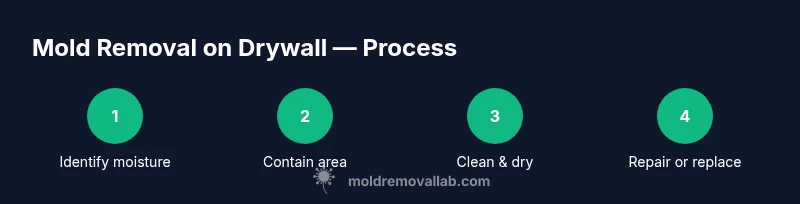
This guide walks you through a safe, step-by-step method to remove mold from drywall, assess moisture, and prevent regrowth. You’ll learn surface prep, cleaning agents, containment, drying, and when to call a professional. Start by confirming ongoing water intrusion, then follow these steps to finish a thorough cleanup in a way that protects occupants and your home.
Understanding mold removal on drywall
Mold removal on drywall is more than a quick clean—it requires addressing the moisture that feeds mold. According to Mold Removal Lab, mold growth on drywall is usually driven by hidden water leaks, persistent humidity, or inadequate ventilation. Drywall is porous: mold can grow within the paper facing and gypsum core, not just on the surface. In homes with basements, bathrooms, or kitchens, drywall is particularly vulnerable where temperature swings and humidity create condensation. Signs include visible dark spots, staining, peeling paint, and a musty odor. The goal of remediation is to remove active colonies and prevent regrowth by eliminating the moisture source, improving airflow, and drying materials to below the moisture threshold where mold can thrive. This means you must not only scrub the surface but also correct leaks, fix ventilation, and monitor humidity. Mold Removal Lab analysis shows that the fastest way to reduce recurrence is to combine cleaning with moisture management and containment to keep mold spores from spreading when you disturb the growth.
Safety and containment basics
Always wear PPE: a respirator (N95 or higher), safety goggles, and chemical-resistant gloves. Do not mix cleaners inside the same space; work from clean to dirty areas to limit spreading. Seal off the work area with plastic sheeting and tape; close doors, cover HVAC intakes if possible, and keep children and pets away. Use a HEPA-filter vacuum and air scrubber if available, and ensure proper ventilation by opening windows only if outdoor air is dry and mold-free. According to Mold Removal Lab, containment reduces cross-contamination and protects occupants while you treat mold on drywall. Keep the area dry during and after cleaning, as moisture return is the primary driver of regrowth. If you notice persistent moisture after remediation, re-evaluate the source.
Cleaning agents and surface preparation
Choose a mild detergent solution or a cleaner labeled for mold remediation. Apply the solution to the affected area with a spray bottle and wipe from the outer edge toward the center to avoid spreading spores. Scrub with a soft-bristled brush to lift mold from the paper facing; wipe with a microfiber cloth; rinse lightly with clean water, and re-dampen as needed. Avoid ammonia-based cleaners in combination with bleach, which can release toxic fumes; do not mix cleaners. For stubborn spots, hydrogen peroxide can be used on non-porous areas, but always test a small inconspicuous area first. After cleaning, allow surfaces to air dry and use a moisture meter to confirm dryness before proceeding with repairs.
Drying and preventing regrowth
Drying is critical; use a combination of fans and a dehumidifier to move air across the surface and remove moisture. Maintain good ventilation until surfaces feel dry to the touch and there is no musty smell. Recheck the area after a day or two and again after the area has been repaired to ensure humidity is under control. Mold growth returns when moisture is allowed to linger, so ongoing moisture management is essential through proper bathroom/kitchen ventilation, roof leak repair, and routine monitoring of humidity in problem areas.
When to call a professional and what to expect
If the affected area is large, if you see growth behind walls, or if you cannot gain control after cleaning, contact a licensed mold remediation contractor. The Mold Removal Lab team recommends professional remediation for extensive or uncertain cases, especially where structural components might be compromised or there is a health risk to occupants, such as allergies or asthma. A pro will typically assess moisture sources, contain the site, perform specialized cleaning, and verify dryness with moisture meters and air-quality testing when appropriate.
Prevention and maintenance to avoid recurrence
Prevention is the key to long-term success. Regularly check for leaks and drips, vent moisture-prone areas like bathrooms and kitchens, and maintain indoor humidity levels to minimize mold-friendly conditions. Repaint or re-panel affected areas with mold-resistant products after successful remediation, and document maintenance tasks for future homeowners or renters. A routine once-a-year inspection of problem zones—basements, crawl spaces, and laundry rooms—helps catch issues before they become visible mold.
Common questions and myths
Mold growth requires moisture, not just a damp surface. Cleaning alone does not fix a leak. Bleach is not a universal cure for mold on porous drywall; porous materials often require removal of contaminated material and replacement to prevent regrowth. Always prioritize safety and moisture control over aggressive cleaning, and consult a professional if there is any doubt about the extent of contamination.
Tools & Materials
- N95 respirator mask(fit-tested if possible; replace when damp)
- Chemical-resistant gloves(nitrile; long sleeves recommended)
- protective goggles(eye protection against splashes)
- Plastic sheeting and painter's tape(to seal off the area)
- Disposable coveralls(optional for larger jobs)
- Soft-bristled brush(for scrubbing mold from surfaces)
- Spray bottle with detergent or mold cleaner(prepare solution as directed)
- Microfiber cloths and sponges(for wiping and drying)
- Buckets and towels/rags(for cleanup and rinsing)
- HEPA-filter vacuum or air scrubber(use if available)
- Dehumidifier or high-CFM fans(to dry area quickly)
- Moisture meter/hygrometer(optional to track humidity)
Steps
Estimated time: 4-6 hours
- 1
Identify moisture source
Inspect nearby leaks, condensation, and humidity; document the affected area. Confirm the presence of ongoing moisture before proceeding, as this drives mold regrowth. Understanding the moisture path helps you target repairs and prevent future outbreaks.
Tip: Take photos and notes of all signs of moisture and mold. - 2
Contain the work area
Seal off the room with plastic sheeting and tape to prevent spores from drifting to other parts of the home. Close doors and seal gaps around the work zone; consider turning off HVAC in the immediate area until containment is in place.
Tip: Use masking tape to seal gaps around door frames and vents. - 3
Put on PPE and prep tools
Don an N95 respirator, safety goggles, and chemical-resistant gloves before touching any moldy surfaces. Arrange cleaners, brushes, rags, and a spray bottle within easy reach to minimize movement in contaminated space.
Tip: Check respirator seal; a poor seal reduces protection. - 4
Remove affected drywall if compromised
If the drywall has soft spots, crumbling paper, or extensive mold behind the surface, carefully cut out the affected panel. Bag and dispose of contaminated material following local regulations. Never keep mold-damaged drywall in place if structural integrity is in doubt.
Tip: Cut outside the visibly affected area to ensure complete removal. - 5
Clean and treat remaining surfaces
Apply a detergent solution or mold-cleaning product to affected studs and remaining drywall; scrub with a brush and wipe clean. Rinse lightly and dry promptly. Do not mix cleaners, and avoid oversaturation of the substrate.
Tip: Always test a small hidden area first to avoid discoloration. - 6
Dry thoroughly and monitor humidity
Run a dehumidifier and fans to dry the area completely. Recheck surfaces for moisture and curing of any residual dampness before proceeding with repairs or repainting. Use a moisture meter if available to verify dryness.
Tip: Continue drying until there is no dampness or musty odor. - 7
Repair or replace affected drywall
If the substrate remains damp or mold recurs after drying, plan for repair or replacement of drywall and framing as needed. Ensure proper sealing of joints and consider mold-resistant materials for future prevention.
Tip: Document the remediation process for future maintenance.
FAQ
Can I clean mold off drywall myself?
Yes, for small, localized areas and once moisture is controlled. Use PPE, a detergent-based cleaner, and thorough drying. If growth recurs or covers a large area, contact a licensed professional.
Yes, you can clean small, localized mold yourself, but monitor moisture and avoid large-scale remediation without expert help.
How do I know if drywall needs to be replaced?
If the drywall shows soft spots, crumbling edges, or mold returns after cleaning and drying, replacement is usually necessary to prevent regrowth and ensure structural integrity.
If the material is soft or crumbling, or mold keeps coming back, replacement is likely needed.
What cleaners are safe for mold on drywall?
Use mild detergents or EPA-registered mold cleaners. Avoid mixing cleaners, and do not rely on bleach alone for porous drywall. Test a small area first.
Choose approved mold cleaners and test in a hidden area before full application.
How long does it take to dry drywall after removal?
Drying time varies with room conditions; use dehumidifiers and fans, and verify dryness before repainting or sealing. Monitor humidity until the space feels dry and stable.
Drying takes as long as it takes for the space to feel dry and hold without moisture.
Is mold on drywall dangerous to health?
Mold can affect air quality and trigger allergies in sensitive individuals. Ventilate, wear protection, and seek professional help if health symptoms persist.
Mold can affect health for some people; take precautions and consult a pro if in doubt.
Should I hire a mold remediation professional for every mold issue?
Not always. For small, contained areas with a clear moisture source, DIY remediation may be sufficient. Large areas or hidden mold behind walls typically require a professional.
For bigger or unclear cases, a professional is the safer route.
Watch Video
The Essentials
- Assess moisture before cleaning.
- Contain the workspace to prevent spread.
- Choose appropriate cleaners and dry thoroughly.
- Replace drywall if damaged or contaminated beyond cleaning.
- Monitor humidity to prevent recurrence.