Mold with Hair: Practical Removal and Prevention Guide
Practical steps to identify, clean, and prevent mold with hair growth in homes. Expert guidance from Mold Removal Lab for homeowners and renters.


You can identify, clean, and prevent mold with hair by treating it as a moisture problem first, then following a careful cleaning protocol for nonporous surfaces and deciding when to call a pro for porous materials. Safety and moisture control are the keys to stopping regrowth.
What mold with hair is and why it matters
Mold with hair describes fungal growth that appears fluffy or filamentous, with hair-like strands interwoven into the colony. In many homes, hair or pet fur can become a substrate that mold uses to cling to damp surfaces. The presence of hair can make colonies feel more visible and can complicate cleaning because porous materials like fabric or drywall can harbor spores even after surface cleaning. According to Mold Removal Lab, moisture control and thorough cleaning are essential to stopping visible growth and preventing recurrence. Recognizing this condition early helps homeowners act quickly and safely, reducing health risks and property damage. In most cases, addressing the moisture source—repairs to leaks, improving ventilation, and reducing humidity—reduces future growth more than aggressive scrubbing alone.
How hair interacts with mold growth
- Hair provides a textured surface that traps spores and creates micro-habitats for fungi.
- Hair may come from pets, humans, or clothing, and can carry organic material that nourishes mold.
- Areas with poor air movement, high humidity, and concealed leaks are prime locations for hair-associated mold.
- Visible hair-like filaments can indicate a more established colony that may require more than surface cleaning. When you see hair-like growth, plan a moisture-control strategy and proceed with targeted cleaning on nonporous materials first, then evaluate porous materials for replacement if needed.
Why this matters for health and home safety
Hair-associated mold can trigger allergic reactions, coughing, and respiratory irritation, especially in sensitive individuals. People with asthma or weakened immune systems may experience stronger symptoms. The presence of hair in mold can also complicate cleaning efforts, because spores may cling to fabrics and walls and become airborne during agitation. The Mold Removal Lab team emphasizes that protecting occupants via containment, proper PPE, and moisture management reduces exposure during remediation. If you notice persistent dampness, musty odors, or expanding growth, treat it as an early warning sign and take decisive steps to investigate the moisture source and begin remediation.
Tools and surfaces affected by mold with hair
Surfaces commonly affected include bathroom tiles, paneling, drywall seams, carpet edges, and fabric upholstery.
- Hard, nonporous surfaces (tiles, metal, glass) are easier to clean with detergents and disinfectants.
- Porous materials (drywall, carpet, insulation) often require replacement if growth is extensive.
- Hair and fur on fabrics can trap mold spores, requiring careful vacuuming with a HEPA-filter vacuum and, in some cases, laundering at high temperatures or disposal of contaminated items. Develop a cleaning plan that prioritizes nonporous surfaces first and reserves porous materials for professional assessment when the growth is extensive.
Tools & Materials
- Nitrile gloves(Use disposable gloves and replace after contamination.)
- N95 or P100 respirator(Essential for protection against inhaling spores.)
- Safety goggles or face shield(Protect eyes from splashes and aerosolized particles.)
- Disposable coveralls or old clothing(Minimize carrying mold to other areas.)
- Plastic sheeting/tarps(Contain the remediation area.)
- Spray bottle filled with water(Keep dust down and dampen surfaces before cleaning.)
- Mild detergent or soap(First-line cleaner for hard surfaces.)
- Hydrogen peroxide (3%) or white vinegar(Alternative cleaners for porous surfaces; do not mix with bleach.)
- Bleach (sodium hypochlorite), diluted (optional)(Use with caution; avoid on porous materials.)
- Bucket and scrub brush(For scrubbing nonporous surfaces.)
- HEPA-filter vacuum (with hose attachment)(To capture spores from fabrics and edges.)
Steps
Estimated time: 1-2 hours
- 1
Prepare and contain the work area
Identify the mold-affected zone and seal off surrounding space with plastic sheeting. Turn off HVAC or set to recirculate to minimize spore spread. This prevents cross-contamination to other rooms and protects occupants while you work.
Tip: Establish a clean buffer zone and minimize foot traffic through the area during cleanup. - 2
Put on PPE and gather materials
Don the provided PPE before touching any moldy surfaces. Gather all cleaning tools and cleaners in one place to avoid repeated trips in and out of the containment area.
Tip: Check respirator fit and seal; a poor seal reduces protection. - 3
Dampen, don’t dry-brush, moldy areas
Lightly mist the area with water to reduce the release of spores. Avoid dry brushing; dampening helps keep spores from becoming airborne as you work.
Tip: Work from top to bottom to minimize recontamination of cleaned surfaces. - 4
Clean hard surfaces with detergent
Scrub nonporous surfaces with a detergent solution, then rinse with clean water. Dry thoroughly with a lint-free cloth to prevent residual moisture.
Tip: Use a separate cloth for each area to prevent cross-contamination. - 5
Address porous materials thoughtfully
Porous items like drywall, carpeting, or insulation may need replacement if growth is extensive. For smaller patches, remove and bag contaminated material using labeled bags before disposal.
Tip: If in doubt, err on the side of replacement rather than risk lingering spores. - 6
Treat edges and textiles with care
Vacuum fabric edges with a HEPA unit if you can safely do so; laundering fabrics at high temperatures can help but remove and wash only detached items. Dry textiles completely before returning to the space.
Tip: Never place moldy textiles back into living areas until confirmed clean. - 7
Reassess moisture and repaint only after dryness
Ensure the area is fully dry for at least 24-48 hours before you consider repainting or reinstalling materials. Moisture control is key to preventing regrowth.
Tip: Consider using humidity control devices to maintain relative humidity below 60% in damp rooms.
FAQ
What does mold with hair indicate and where does it commonly occur?
Mold with hair typically refers to mold colonies that appear fluffy with hair-like filaments. It commonly grows in moist environments like bathrooms, basements, and areas behind walls where moisture is present.
Mold with hair means fluffy mold growth with hair-like strands, usually in moist spots like bathrooms or basements.
Is mold with hair dangerous to health?
Exposure can trigger allergies and respiratory symptoms, especially in sensitive individuals. Small children, older adults, and people with asthma or immune issues should take precautions.
Yes, it can cause allergies and breathing issues—take care to limit exposure.
Can I clean mold with hair by myself?
For small, nonporous areas, careful cleaning with detergents and moisture control can be done safely. For porous or extensive growth, consult a professional to avoid re-contamination and ensure thorough removal.
Small, nonporous spots may be cleaned safely at home; larger or porous growth should be handled by a pro.
What environmental factors promote mold with hair?
High humidity, leaks, and poor ventilation create the damp conditions mold loves. Controlling moisture is the most effective preventive measure.
Moisture and poor airflow let mold grow; fix leaks and improve ventilation to prevent it.
When should I call a professional?
If growth covers a large area, involves porous materials, or if there’s ongoing moisture intrusion, professional remediation is recommended to ensure safe and complete removal.
Call a professional if mold covers a large area or if moisture keeps returning.
Watch Video
The Essentials
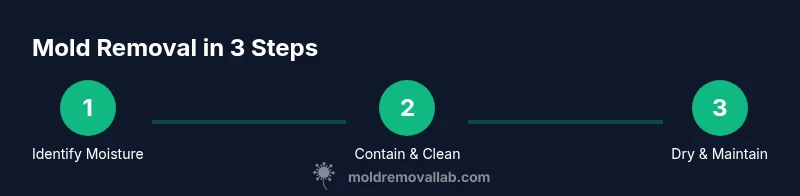
- Identify moisture sources first to stop regrowth.
- Wear proper PPE and contain the work area.
- Differentiate cleaning for hard vs. porous surfaces.
- Control humidity to prevent future mold formation.