Mold with fuzz: Practical Remediation Guide for Homes
Learn to identify, clean, and prevent mold with fuzz safely. This practical guide from Mold Removal Lab covers PPE, moisture control, DIY steps, and when to call pros to protect indoor health.


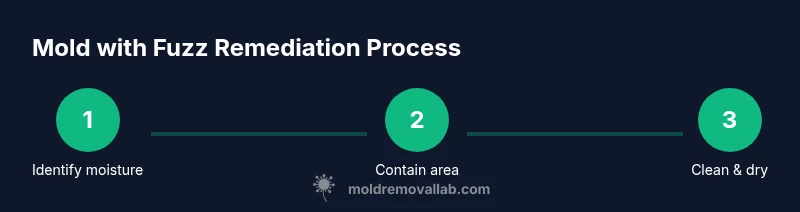
Goal: address mold with fuzz safely by stopping the moisture source, isolating the area, and cleaning with approved methods. Start by reducing humidity, drying surfaces, and removing porous materials as needed. Use proper PPE and cleaners, then verify that growth has stopped. For large or hidden growth, or if you notice persistent odor, contact a professional. Mold Removal Lab emphasizes moisture control and careful, thorough remediation.
What is mold with fuzz and why it matters
Mold with fuzz refers to fungal growth that appears as a soft, hairy layer on moisture-damaged surfaces. It can show up on drywall, fabric, wood, and cabinetry, especially in bathrooms, basements, kitchens, and laundry rooms. The fuzz is made of hyphae that help the mold spread and colonize new areas, and its presence signals ongoing moisture problems that need attention. When you see fuzz, you likely have a combination of warmth, moisture, and a food source (the organic material mold feeds on). Left untreated, fuzz can expand to larger colonies and release spores that irritate eyes, skin, and lungs, particularly for people with allergies or asthma. According to Mold Removal Lab, fuzz indicates active growth and should prompt prompt, careful remediation to reduce health risks and property damage. Early action can prevent structural damage and lower remediation costs over time. This guide uses practical, homeowner-friendly steps to address fuzz safely while protecting occupants.
How fuzz forms on moisture-prone surfaces
In many homes, standing water, leaks, or high humidity create a hospitable environment for mold with fuzz. Surfaces that stay damp—such as painted walls behind appliances, under sinks, or near windows—are especially vulnerable. Fuzz grows quickly when temperatures are moderate and air movement is limited, because stagnant air allows moisture to linger on surfaces. Even routine activities like showering, drying clothes indoors, or cooking without ventilation can raise humidity enough to encourage fuzzy growth. To interrupt this process, maintain indoor humidity around recommended levels, use exhaust fans, and fix leaks promptly. Regular inspections of under-sink cabinets, basements corners, and attic rafters can reveal moisture before fuzz becomes visible. By addressing moisture at the source and improving air circulation, you reduce the likelihood that small damp spots will become bigger problems. Keeping surfaces dry between cleaning sessions and immediately drying any spill or condensation is a simple but effective habit that protects the home’s long-term health. Mold Removal Lab recommends proactive moisture management as the primary defense against fuzz growth.
Health and safety considerations during remediation
Remedial work can release spores into the air, so protecting occupants is essential. Use PPE: a properly fitted respirator, eye protection, and gloves. Ventilate the area as much as possible, ideally with outdoor air, and contain it with plastic sheeting to limit spread. Avoid disturbing the growth aggressively, which can release spores and irritants into living spaces. If you have a preexisting respiratory condition, wear a higher-grade respirator and consider temporarily relocating during cleanup. Keep children and pets away from the work area. After cleanup, wash clothing separately and promptly dispose of disposable PPE in sealed bags. If any dizziness, coughing, or throat irritation develops during remediation, pause work and consult a healthcare professional.
Preparation and containment to prevent spores from spreading
Before touching any surface, seal the room from other inhabited spaces with plastic sheeting and tape. Turn off HVAC or set it to recirculate with a filter if possible to reduce airborne spores. Create a controlled entry and exit path so that workers don’t carry contaminants through the home. If you suspect structural damage or the mold has penetrated insulation or wall cavities, plan for additional containment steps and specialized cleaning protocols. Maintain a clean workspace by moving contaminated materials directly into sealed bags and removing them through an exterior door when feasible.
Cleaning strategies: DIY options vs professional help
Small, clearly defined mold on nonporous surfaces can often be addressed with common cleaning agents and careful scrubbing. For porous materials, or growth behind walls, or uncertain extent, professional remediation is wiser. DIY methods may reduce costs but require strict adherence to safety and moisture control to prevent regrowth. In situations where fuzz appears on drywall, insulation, or fabric, professional guidance often yields the most reliable outcome and reduces the risk of spreading spores to other rooms.
Cleaning agents and methods for mold with fuzz
Common agents like white vinegar, hydrogen peroxide, and mild dish soap can help. Apply gently, scrub, and rinse, then dry thoroughly. Do not mix cleaners with bleach or ammonia. For stubborn fuzz on nonporous surfaces, repeat cleaning and ensure surfaces are completely dry before reoccupying. For porous materials that absorbed moisture and developed fuzz, disposal is often safer than attempting scrub-removal. Always test cleaners on a small, inconspicuous area first to avoid damage to finishes.
Drying and moisture control after cleanup
After cleaning, prioritize thorough drying. Use fans and a dehumidifier to reduce humidity levels and promote rapid evaporation. If practical, open windows on dry days to improve airflow. Repair leaks and address condensation issues that caused the fuzz growth. Consider increasing insulation in problem areas and improving ventilation around moisture-generating activities like cooking and showering. Regularly monitor humidity with a simple meter and inspect for damp spots after rain or humid days. By keeping the space dry, you minimize the chance that fuzz will return.
Verification: testing and re-inspection
Reassess the space for visible growth and lingering odors. If you cannot confidently confirm that mold with fuzz is eliminated, a follow-up inspection by a licensed professional is wise. Use moisture metrics and visual checks to decide if further action is needed. Document changes over time and compare humidity levels before and after remediation to gauge effectiveness. Keep a log of inspections and any repairs to prove ongoing maintenance in case of future issues.
Common spaces: bathrooms, basements, kitchens
Bathrooms frequently harbor fuzz due to humidity, while basements face condensation and leaks when foundation walls are damp. Kitchens are susceptible when ventilation is weak and moisture accumulates behind appliances. In each space, tailor cleanup plans to the specific surface type and structural layout, ensuring sealing, drying, and moisture control are addressed in every area. If you find fuzz behind cabinetry or within wall cavities, you may need more extensive work and possibly professional assessment.
Long-term prevention and maintenance
Establish a moisture-control routine: fix leaks promptly, dry damp areas, and maintain indoor humidity around recommended comfort levels. Regular cleaning and inspections help detect early signs of fuzz growth. Training household members to report dampness and odors early can prevent larger outbreaks. Install or upgrade vents, exhaust fans, and insulation where needed, and consider a dehumidification system for spaces with persistent humidity. A proactive approach, guided by Mold Removal Lab strategies, reduces recurring fuzz issues and preserves air quality over time.
Authority sources and practical references
For evidence-based mold guidance, consult credible sources that address dampness, humidity control, and safe remediation practices. While every home is different, aligning practices with trusted public health information helps ensure safety and effectiveness. The following resources provide foundational knowledge and actionable steps you can apply in many situations.
Tools & Materials
- Nitrile gloves(Powder-free; avoid latex if there are sensitivities)
- Safety goggles(Wraparound style preferred)
- Respirator (P100 or N95)(Properly fitted for best protection)
- Disposable coveralls(Laid out to avoid cross-contamination)
- Plastic sheeting or drop cloth(Use to seal off area)
- Detergent and mild soap(For initial cleaning)
- White vinegar (5% solution)(Mold-friendlier alternative)
- Hydrogen peroxide 3%(Disinfectant with fizzing action)
- Baking soda(Deodorizing and mild scrub aid)
- Scrub brushes and microfiber cloths(For scrubbing and wiping)
- Spray bottle(Mist solution evenly)
- Trash bags (heavy-duty)(Dispose contaminated materials)
- Dehumidifier or fan system(Promotes drying)
- Moisture meter (optional)(For ongoing monitoring)
Steps
Estimated time: 2-6 hours plus drying time
- 1
Identify moisture source and isolate area
Inspect for leaks and damp spots. Mark the affected zone and close doors to limit spread. Set up containment as the first action to protect other living spaces.
Tip: Do not spread growth by moving contaminated materials through clean areas. - 2
Put on PPE and prepare containment
Wear a properly fitted respirator, eye protection, and gloves. Lay down plastic sheeting and seal off adjacent rooms to prevent spores from migrating.
Tip: Double-check respirator fit and replace filters after exposure. - 3
Assess extent of growth visually
Document areas showing fuzz. Use simple tools to check behind fixtures and under sinks where moisture tends to be hidden.
Tip: Trace moisture paths rather than chasing visible growth alone. - 4
Plan cleaning approach and gather materials
Choose cleaning agents suitable for each surface type. Gather rags, brushes, and cleaners before starting so you don’t interrupt the process.
Tip: Start with least aggressive cleaner on nonporous surfaces. - 5
Apply cleaning solution and scrub surfaces
Apply vinegar or peroxide solution; scrub gently to lift fuzz without abrading porous materials. Rinse with clean water then dry thoroughly.
Tip: Avoid saturating porous materials; moisture aids regrowth. - 6
Dry and recheck cleaned areas
Use fans and a dehumidifier to promote rapid drying. Check for damp patches after several hours and again the next day.
Tip: Ensure all surfaces return to near-dry state before reoccupying. - 7
Dispose of contaminated materials safely
Seal and bag contaminated fabrics and porous materials. Remove from the area in a manner that minimizes air disturbance.
Tip: Do not bring contaminated items back into living spaces. - 8
Reassess moisture and plan prevention
Identify how moisture entered the space and remedy root causes. Set up ongoing humidity monitoring and routine checks.
Tip: Address the moisture path to prevent new fuzz growth.
FAQ
What is mold with fuzz?
Mold with fuzz describes fuzzy, hair-like growth on moisture-damaged surfaces. It signals active fungal growth and a moisture issue.
Fuzzy mold is a sign of moisture and should be addressed promptly.
Is mold with fuzz dangerous?
Yes, it can cause allergies and respiratory irritation, especially for sensitive individuals. Address moisture and clean carefully to reduce risks.
Fuzzy mold can irritate lungs; limit exposure and fix moisture.
Can I remove mold with fuzz myself?
For small areas on nonporous surfaces, DIY cleanup with appropriate PPE can be effective. Large areas or porous materials often require professional remediation.
Small patches can be cleaned safely if you follow safety steps; bigger growth should be handled by pros.
What should I avoid during cleanup?
Avoid disturbing the growth aggressively and never mix cleaners like bleach with ammonia. Ventilate and seal the area to reduce exposure.
Be careful not to spread spores; keep the area contained.
How can I prevent mold with fuzz from returning?
Control humidity, fix leaks promptly, and improve ventilation. Regular inspections help catch issues early.
Keep humidity in check and fix leaks fast to prevent regrowth.
When should I call a professional?
If growth covers large areas, is behind walls, or health concerns exist, professional remediation is advised.
If in doubt or there’s health risk, get a pro to assess.
Watch Video
The Essentials
- Identify moisture sources and contain the area.
- Use appropriate PPE and cleaning methods for safety.
- Dry surfaces thoroughly to prevent regrowth.
- Monitor humidity to maintain a hostile environment for mold.