Mold in Hair: Safe Identification and Remediation
Learn to recognize mold in hair, understand health risks, and follow a safe, step-by-step remediation plan. This Mold Removal Lab guide covers detection, hygiene, and when to seek professional help.


Goal: identify whether mold exposure in hair is occurring, assess potential health risks, and follow safe steps to clean affected hair and environments. This guide covers how mold can reach hair, how to detect it, first-aid actions, safe washing routines, and when to call a pro. The Mold Removal Lab Team provides conservative, science-based advice for homeowners and renters.
Understanding the risk of mold contamination in hair
Mold exposure is a health concern in damp indoor environments, and hair can act as a temporary carrier for mold spores after contact with contaminated air, surfaces, or water-damaged materials. According to Mold Removal Lab, mold exposure in hair is typically environmental rather than an infection of hair follicles, but spores can cling to hair shafts and be transported to the face, eyes, or lungs. People who spend time in bathrooms with persistent mold growth, or who live in humid climates, are at higher risk of spore contact during routine activities like showering, towel drying, or swimming in mold-prone pools. In many cases, spores are inert particles that won’t colonize hair by themselves, but they can trigger allergic reactions or skin irritation in sensitive individuals. The key is to treat hair and its surroundings as part of a broader environmental exposure issue, not a stand-alone hair problem. If you notice repeated itching, sneezing, watery eyes, or rash after bathroom use or hair washing, evaluate both hair hygiene and household moisture control. Mold Removal Lab's guidance emphasizes reducing moisture, improving ventilation, and cleaning visible growth promptly to minimize exposure.
Health-wise, mold in hair should be considered part of a larger moisture problem in the home. Addressing humidity and airflow reduces the chance that spores linger on hair or towels after bathing. Always balance hair hygiene with environmental controls for best results, especially in households with children, seniors, or respiratory sensitivity.
How mold reaches hair and skin: common pathways
Mold spores are ubiquitous in many indoor spaces, especially bathrooms, laundry rooms, and crawl spaces with poor ventilation. Hair can pick up spores through several pathways: showers in damp rooms, contact with damp towels or robes, usar towels and brushes shared with others, and direct contact with moldy surfaces during grooming. Mold can also hitch a ride on bath mats, clothing, or swimwear that remained damp after use. Once spores contact hair or skin, they may adhere to the cuticle or scalp, particularly if oils, sweat, or cosmetics create a hospitable film. Mold Removal Lab analysis shows that spores can settle on hair in humid environments and be distributed by grooming tools or hair products, making timely washing essential to reduce ongoing exposure. Keeping surfaces clean and reducing moisture are key preventive steps.
Signs that you might have mold exposure affecting hair
Manifests as a combination of environmental and physiological cues. Look for symptoms such as persistent scalp itching, redness, dermatitis, sneezing when touching hair, watery eyes after hair washing, or a musty odor around hair care products and towels. Some people experience coughing or throat irritation after spending time in a mold-prone bathroom, suggesting inhaled spores might aggravate airways. If symptoms occur repeatedly after hair-related activities (washing, brushing, or removing products), consider both personal hygiene practices and household moisture levels. While most cases involve spore exposure rather than a hair infection, anyone with asthma or allergies should monitor symptoms closely and seek medical advice if irritation persists. The Mold Removal Lab team notes that symptom patterns—timing, location, and severity—help distinguish mold exposure from other irritants.
Immediate actions to take if you suspect mold in hair
If you suspect exposure, act quickly but calmly: move away from moist areas, remove damp clothing, and wash hands. Wash exposed hair with lukewarm water and a mold-safe shampoo, rinsing thoroughly. Dry with a clean towel and avoid sharing towels or grooming tools until you’ve cleaned or replaced them. Ventilate the area to reduce airborne spores, and use a damp-dry vacuum or HEPA-filtered cleaner for environmental surfaces if mold is visible. If irritation, coughing, or skin reactions persist after washing, consult a clinician and consider laboratory testing for mold exposure if symptoms are severe or frequent.
Cleaning hair and environments safely
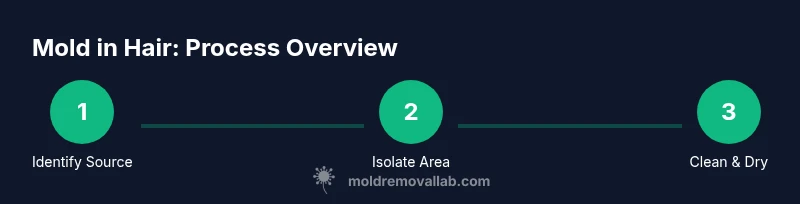
Start by isolating the affected area to prevent mold spread. Wear nitrile gloves and a mask when handling contaminated towels or tools. Rinse hair, then wash with a mold-safe, mild shampoo; repeat if necessary. Rinse completely, dry with clean towels, and launder towels and brushes separately on hot settings. Clean bathroom surfaces with EPA-registered mold cleaners, and consider using a dehumidifier to bring indoor humidity below 50-60%. Ventilate for several hours after cleaning. If mold growth is extensive, replace porous materials (shower curtains, bath mats) and seal non-porous surfaces. The Authority Sources below provide formal guidance on safe mold cleanup.
Authority Sources: Mold cleanup should follow established guidelines; see the references for regulatory guidance and best practices. The Mold Removal Lab emphasizes avoiding aggressive disinfectants on sensitive hair or skin unless recommended by a clinician.
Authority Sources and safety guidance
For authoritative guidance on mold and indoor air quality, consult government and university resources. These sources reinforce safe, science-based remediation practices and explain why moisture control, proper cleaning products, and compliant handling of contaminated materials matter for health and safety. The following links are widely used in professional and consumer guidance:
- EPA: Brief Guide to Mold, Wetness, and Your Home
- CDC: Mold, Dampness, and Health
- NIEHS: Mold and Health Topics
These sources help homeowners and renters understand risk, exposure pathways, and when to escalate to professional remediation if mold growth is extensive or if vulnerable individuals are affected.
Prevention and maintenance to minimize future exposure
Preventing mold in hair-related environments requires ongoing moisture control, regular cleaning, and mindful use of hair care products. Use exhaust fans and dehumidifiers in bathrooms, fix leaks promptly, and store towels and hair tools in dry areas. Clean brushes and combs regularly and avoid sharing grooming tools. Replace porous materials in damp spaces, and consider mold-resistant paint and linings in high-humidity rooms. Routine checks for signs of moisture intrusion, such as condensation on windows or walls, help catch mold early. By maintaining low humidity and clean surfaces, you minimize spores in both the living space and hair-care routines.
Mold prevention is a team effort: homeowners, renters, and landlords should collaborate to maintain ventilation, moisture control, and prompt remediation.
Common myths and safety notes
Myth: Mold in hair means a serious infection of the hair follicles. Reality: most cases involve surface spores and environmental exposure rather than true folliculitis. Myth: Regular shampoos always remove all spores. Reality: mold spores can persist in damp environments and on porous surfaces; targeted cleaning and environmental control are needed. Safety note: never mix household bleach directly with hair or skin; use is highly context-dependent and should follow product instructions. When in doubt, err on the side of caution and seek professional advice, especially if you have asthma, allergies, or a compromised immune system. The Mold Removal Lab’s verdict is to focus on a structured remediation plan and to escalate to professionals when exposure is persistent or extensive.
Tools & Materials
- mold-safe shampoo(Choose a mild, fragrance-free formula; avoid irritants if you have sensitive skin)
- clean towels(Use dedicated towels for damp hair; wash after each use)
- gloves (nitrile)(Protect skin while handling contaminated materials)
- EPA-registered cleaner(For environmental surfaces; do not use on skin)
- disposable bags(Contain contaminated items for disposal)
- face mask (N95 or equivalent)(Helpful in high-humidity environments or when mold levels are high)
- brushes/combs(Dedicated to post-cleanup use; avoid sharing)
- hygrometer/dehumidifier(Use to monitor humidity and reduce moisture in the home)
Steps
Estimated time: 60-120 minutes
- 1
Identify exposure and secure area
Locate the mold source in the environment and step away from the contaminated space. Isolate affected towels, brushes, and cleaning materials to prevent cross-contamination. Note the time and conditions (humidity, leaks) to guide remediation. (Estimated time: 5-10 minutes)
Tip: Move to a well-ventilated area before starting cleanup to reduce airborne spores. - 2
Protect yourself
Put on nitrile gloves and a mask if you anticipate airborne spores. Avoid touching your face during cleanup and wash hands after handling contaminated items. (Estimated time: 2-5 minutes)
Tip: Wear eye protection if splashes are likely when cleaning bathroom surfaces. - 3
Assess the environment
Check for visible mold growth, moisture sources, and ventilation gaps. Record locations to prioritize cleaning and moisture control. (Estimated time: 5-15 minutes)
Tip: Take photos for future reference and to share with a professional if needed. - 4
Gather supplies and containment
Collect mold-safe shampoo, cleaners, towels, bags, and disposal containers. Set up a staging area away from living spaces to minimize spread. (Estimated time: 5 minutes)
Tip: Use a separate bag for disposables and seal it before leaving the area. - 5
Rinse hair to remove loose spores
Rinse hair with lukewarm water to remove loose spores before shampooing. Avoid hot water that can irritate the scalp. (Estimated time: 2-3 minutes)
Tip: Keep hair above shoulders to prevent drips onto clothes or floor. - 6
Wash with mold-safe shampoo
Apply a mild, mold-safe shampoo and lather thoroughly from scalp to ends. Rinse completely to remove loosened spores and oils that can trap moisture. (Estimated time: 3-5 minutes)
Tip: Repeat if you notice a musty smell or visible residue after the first wash. - 7
Rinse and dry
Rinse hair again and wrap in a clean towel. Gently squeeze out excess water; avoid aggressive rubbing that can irritate the scalp. Air-dry when possible or use a clean dryer on a cool setting. (Estimated time: 10-15 minutes)
Tip: Do not share towels or brushes during recovery. - 8
Sanitize surroundings
Wipe down bathroom surfaces with an EPA-registered cleaner. Launder towels and any fabric items on hot settings. Dispose of contaminated items in a sealed bag. (Estimated time: 20-30 minutes)
Tip: Ventilate the space well during and after cleaning to speed moisture loss. - 9
Monitor and seek guidance
Observe skin, eye, and respiratory symptoms over the next few days. If symptoms persist or worsen, contact a clinician and consider professional mold remediation for the home. (Estimated time: ongoing over 1-2 weeks)
Tip: Keep a symptom diary and moisture-control plan to guide future actions.
FAQ
What causes mold to show up in hair?
Mold in hair usually results from environmental spores in damp spaces or on contaminated items like towels and brushes. Hair itself isn’t typically colonized unless there’s a persistent moisture problem. Proper cleaning and moisture control reduce the risk.
Mold in hair is usually from spores in damp spaces or on towels and brushes, not from the hair itself. Clean thoroughly and reduce moisture to lower the risk.
Can mold in hair cause health issues?
Yes, mold exposure can trigger allergies, skin irritation, and respiratory symptoms in sensitive individuals. If symptoms persist after cleaning, see a clinician and consider evaluating indoor moisture and air quality.
Mold exposure can cause allergies, skin irritation, and breathing problems in sensitive people. If symptoms linger, seek medical advice.
Is it safe to wash hair with regular shampoo?
Regular shampoo can remove surface spores, but for real mold concerns, pair washing with environmental cleaning and moisture control. Use a mold-safe or gentle, fragrance-free formula if you have sensitive skin.
Shampoo helps remove surface spores, but you also need to clean the environment and manage moisture. A gentle, fragrance-free formula is best if you’re sensitive.
When should I call a mold remediation professional?
If mold covers large areas, recurs after cleaning, or if there’s ongoing water intrusion, contact a licensed mold remediation professional. Seek medical guidance if symptoms are severe.
Call a pro if mold is widespread, keeps coming back, or there’s ongoing water damage. See a clinician if symptoms are severe.
Can I prevent mold in hair after cleaning?
Yes. Reduce humidity, improve ventilation, and maintain clean grooming tools and towels. Regularly inspect bathrooms for leaks and dry damp surfaces promptly.
You can prevent it by keeping humidity down, cleaning tools, and drying surfaces quickly.
Watch Video
The Essentials
- Identify exposure sources and reduce moisture
- Clean hair and surroundings with mold-safe products
- Ventilate and dehumidify to prevent recurrence
- Seek medical or professional help if symptoms persist