Mold When Renting: A Practical Tenant Guide to Safe Remediation
Learn how to handle mold in rental homes: tenant rights, landlord duties, safe identification, documentation, remediation steps, and prevention tips from Mold Removal Lab for 2026.


You're looking to understand and manage mold in a rental home. This guide explains tenant rights, landlord responsibilities, and practical steps to identify, document, and remediate mold safely while staying within lease terms. You’ll learn when to contact your landlord, how to request inspections, and simple home improvements to reduce moisture and prevent mold growth.
Introduction to mold in rental homes
Mold in rental spaces can be unsettling, but knowing how to respond protects your health and your security deposit. When you ask, mold when renting, you’re not alone: many tenants face this issue every year. According to Mold Removal Lab, moisture control is key in rental properties, and many mold issues stem from leaks, condensation, or poor ventilation. This guide explains how to recognize mold, document what you find, and take safe, practical steps within your lease terms. We'll outline the typical landlord responsibilities, what you can reasonably do as a tenant, and when it's time to bring in professionals. The goal is to help you act quickly and methodically, so mold doesn’t affect your health or living environment. By the end, you’ll have a clear plan for reporting mold, protecting yourself, and reducing moisture to prevent future growth in your rental home.
Tenant rights and landlord responsibilities
Landlords are generally required to provide a habitable rental unit, which includes addressing moisture intrusion and visible mold. Tenants have the right to a safe living space and to request repairs when mold is present. The Mold Removal Lab Team emphasizes documentation: keep copies of notices, photos, and any professional assessments. Your lease may require written notices and a defined remediation timeline under local codes. If mold results from a building-wide moisture problem or a structural leak, the landlord typically bears responsibility. Knowing what counts as a habitable condition helps you communicate effectively and avoid disputes. If you’re unsure, consult local housing authorities or tenant-rights resources for your area.
How to identify mold safely in a rental
Mold can appear as fuzzy patches, staining, or musty odors. It often grows where moisture is present—leaks, condensation on windows, or poor ventilation. Health symptoms like coughing, sneezing, or throat irritation may accompany exposure, especially for kids and allergies sufferers. To assess safely, avoid disturbing visible growth, wear protective gear, and use a moisture meter to track humidity. Document the location, size, and moisture source with photos and notes. Avoid aggressive cleanup on porous materials like drywall without professional guidance, as disturbing mold can release spores and worsen exposure.
Documenting mold and communicating with your landlord
Documentation is your strongest ally when mold appears. Take dated photos, label each area, and note any related leaks or humidity spikes. Send a written notice to your landlord outlining the issue, locations, and a request for inspection or remediation, following your lease terms. Include copies of photos and any prior communications. If a professional assessment is available, share it to support your case. Clear, respectful communication helps maintain a cooperative path toward resolution and creates an auditable record should disputes arise.
Cleaning and remediation: what tenants can and cannot do
Many minor mold issues on non-porous surfaces can be cleaned safely with soap and water. For larger areas or porous materials, it’s safer to stop and seek professional remediation to prevent spreading spores or compromising structural materials. Do not attempt major demolition, removal of hidden mold behind walls, or the use of aggressive chemicals without guidance. Always ventilate the area during cleaning and wear PPE. After cleanup, recheck for moisture sources and seal any entry points to prevent recurrence.
When to call professionals and who pays
Professional remediation is appropriate for extensive mold growth, mold that recurs after cleaning, or growth near HVAC systems, insulation, or ceilings. If you suspect hidden mold behind walls or in the attic, it’s prudent to hire licensed professionals. Responsibility for payment varies by lease and local laws; typically, mold arising from building maintenance falls on the landlord, while tenant actions may affect certain cases. Document all communications and keep receipts for any remedial work you fund, which can be requested from the landlord.
Prevention and moisture control in rental units
Preventing mold starts with moisture control: fix leaks promptly, use exhaust fans in bathrooms and kitchens, and keep humidity low with dehumidifiers when necessary. Regularly check window seals, basements, and crawl spaces for condensation and dampness. A proactive tenant can monitor humidity levels, schedule annual inspections if available, and request preventive maintenance from the landlord. Keeping shared areas dry reduces mold risk for everyone in the building and supports healthier living conditions for all residents.
AUTHORITY SOURCES
This article references guidance from national health and environmental authorities to support best practices when mold is found in rental properties. For further reading and official recommendations, see the resources below.
Tools & Materials
- N-95 respirator mask(Protects against mold spores during inspection and cleaning)
- Disposable gloves(Use non-latex if you have allergies; prevent contamination)
- Safety goggles(Eye protection when cleaning or handling damp materials)
- Plastic sheeting/drop cloths(Contain area to prevent cross-contamination)
- Heavy-duty trash bags(Seal contaminated materials securely)
- Spray bottle and bucket(For cleaning solutions and rinsing)
- Cleaning rags or microfiber cloths(For wiping surfaces and absorbing moisture)
- Moisture meter or hygrometer(Optional for tracking humidity levels)
- Camera or smartphone(Document growth, leaks, and post-clean results)
- Notepad and pen(Record dates, measurements, and actions)
Steps
Estimated time: 6-12 hours
- 1
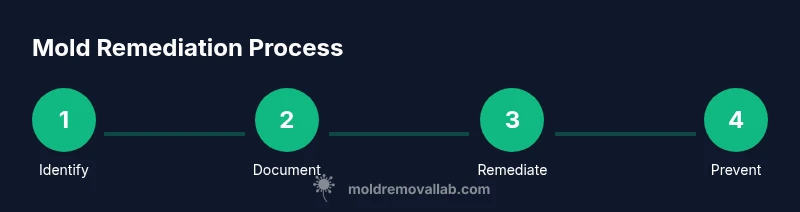
Inspect and document
Carefully examine all affected areas, take dated photos, and note moisture sources. Record size and location to guide remediation and landlord communications.
Tip: Take measurements if possible; it helps track growth over time. - 2
Notify landlord and request inspection
Send a written notice outlining the mold evidence and request a professional inspection or remediation within a reasonable timeframe as per your lease.
Tip: Attach photos and any prior pest or moisture reports to strengthen your request. - 3
Contain the area
Use plastic sheeting to isolate the affected space and prevent mold spores from spreading to other rooms.
Tip: Keep doors closed and avoid disturbing porous materials more than necessary. - 4
Ventilate and dry the space
Improve air flow with fans and dehumidifiers, especially after leaks or cleaning, to lower humidity.
Tip: Never run fans directly at mold growth without containment; this can spread spores. - 5
Clean small, nonporous areas
Wash hard surfaces with soap and water; dry thoroughly. Avoid mixing chemicals and never use bleach on porous materials without guidance.
Tip: If mold returns after cleaning, escalate to a professional remediation service. - 6
Assess need for professional remediation
If growth is extensive, persistent, or hidden (behind walls), contact licensed mold remediation specialists.
Tip: Document the decision and obtain a written remediation plan. - 7
Post-remediation verification
Request a clearance inspection or a follow-up report to confirm mold is removed and moisture sources are addressed.
Tip: Keep all remediation reports for your records and potential disputes. - 8
Monitor and prevent recurrence
Continue moisture control measures and periodic checks for leaks or condensation.
Tip: Consider a short, regular moisture check workflow to heads-up early warning signs.
FAQ
What should I do first when I find mold in a rental?
Document the mold with photos and notes, notify the landlord in writing, and request a formal inspection. Preserve all communications and any assessment reports for your records.
First, take dated photos and notes, then email your landlord with a remediation request and keep copies of everything.
Can I demand mold remediation from my landlord?
Yes. Landlords are generally responsible for maintaining habitable rentals, including mold remediation. If they delay, review lease terms and local housing codes, and seek guidance from housing authorities or tenant rights resources.
Yes. Landlords usually must address mold, but if they delay, check your lease and local laws for next steps.
Are there safety precautions for tenants cleaning mold?
Always wear protective gear, ventilate the area, and avoid disturbing mold behind walls. Clean only safe, nonporous surfaces with mild cleaners, and defer bigger cleanup to professionals.
Wear PPE, ventilate, and avoid disturbing growth. Clean small areas only and call pros for bigger jobs.
Who pays for mold testing and remediation?
Typically the landlord covers remediation if mold results from building issues. Testing costs may be negotiated or billed to the landlord if required for remediation, but verify with your lease and local regulations.
Usually the landlord pays for remediation; testing costs depend on the situation and lease terms.
What if my landlord ignores the mold issue?
Document all attempts to contact them, and contact local housing authorities or a tenants’ rights organization for formal complaint channels and possible enforcement actions.
If they ignore it, document everything and contact housing authorities for help.
Does mold exposure affect my lease or housing rights?
Mold can affect habitability and housing rights. You may be entitled to repairs, abatement, or relocation in extreme cases, depending on local laws and your lease.
Yes. Mold can impact habitability and your rights; seek guidance if needed.
Watch Video
The Essentials
- Act quickly when mold appears to protect health and tenancy.
- Document, notify, and request formal landlord remediation.
- Differentiate between tenant-cleanable mold and issues needing pro remediation.
- Prevent recurrence with moisture control and ongoing monitoring.