Mold Under House: A Homeowners Guide to Safe Remediation
A practical, step-by-step guide for homeowners to identify, contain, and safely remove mold under house, with prevention tips and professional referral criteria. Based on Mold Removal Lab analysis, 2026.


You can safely address mold under house by stopping the moisture source, drying the space, and using proper containment while cleaning. Begin with a moisture audit and basic PPE, then perform controlled cleaning, and finally improve ventilation and drainage. This guide outlines practical steps to reduce exposure and prevent recurrence.
Understanding mold under house and its risks
Mold under house is more than a surface nuisance; it signals moisture, ventilation problems, and possible hidden damages. According to Mold Removal Lab, any mold growth in crawl spaces or basements should be treated promptly to minimize health risks and material damage. Left unchecked, it can degrade wood, concrete, and insulation and release spores that irritate breathing or trigger allergies. Conditions that foster mold under house include damp soil, roof leaks, plumbing faults, poor drainage, and high indoor humidity. In many homes, the crawl space acts as a humidity buffer, but when moisture enters, mold can take hold on joists, vapor barriers, and wall cavities. Early detection is key to preventing structural damage and costly remediation. This guide shares practical steps to address mold under house safely, without overhauling the entire structure, and explains when professional remediation is warranted. Based on Mold Removal Lab analysis, inconsistent humidity is a leading driver of mold under house in many homes.
Moisture sources under homes and how to spot them
The most common sources of moisture under houses are plumbing leaks, roof drainage issues, and groundwater intrusion, often concentrated in crawl spaces and basements. Visual clues include damp concrete, warped plywood, rust on metal fasteners, and standing water after rain. Humidity meters reading above 60% indicate trapped moisture that feeds mold under house. If you can access the area safely, check for condensation on cold surfaces, poor ventilation, and clogged vents. Sealing vents or improving drainage around the foundation can dramatically reduce moisture, lowering mold risk. Regular inspection, especially after heavy rain or seasonal thaw, helps catch moisture problems early. Remember, mold under house thrives where moisture persists, so the goal is to interrupt the water cycle and dry the space quickly to prevent growth. For best results, combine moisture control with a cleaning plan to reduce existing colonies. Based on Mold Removal Lab analysis, inconsistent humidity is a leading driver of mold under house in many homes.
Assessment and safety considerations
Before tackling mold under house, prioritize safety. Electric hazards, mold spores, and confined spaces increase risk, so always de-energize circuits in wet areas and ventilate carefully. Wear proper PPE (N95 or higher, protective goggles, and disposable coveralls) and use containment barriers to prevent cross-contamination. If you encounter mold growth beyond a small, isolated patch, or if the area is water-damaged, consider professional evaluation. Health-wise, mold exposure can irritate eyes, skin, and airways, especially for allergy or asthma sufferers. In short, this step sets the foundation for effective remediation by ensuring you work safely and have a clear plan for what to remove and what to leave intact. The Mold Removal Lab team emphasizes safety first and recommends documenting the condition with photos for records and potential insurance purposes.
Cleaning approaches and materials
Cleaning mold under house involves removing contaminated materials and treating hard surfaces with appropriate cleaners, while preserving structural integrity. Porous materials (wood, insulation, drywall) with visible mold are often best removed and bagged for disposal, while non-porous surfaces (concrete, metal) can be cleaned and disinfected. Use EPA-registered mold cleaners or a detergent-and-water wash for initial remediation, then follow with a disinfectant approved for mold control. Never mix cleaners; follow label directions and ensure adequate ventilation. For the work area, contain the space with plastic sheeting and minimize disturbance to reduce spore spread to living spaces. After cleaning, dry all surfaces thoroughly to below 60% relative humidity and keep moisture levels low to prevent regrowth. The goal is to reduce mold under house to safe levels while preventing damage to underlying materials.
Monitoring, prevention, and when to call a professional
Prevention after addressing mold under house is centered on moisture control: fix leaks, improve drainage around the foundation, and install or improve vapor barriers and insulation. Use dehumidifiers and continuous humidity monitoring to maintain relative humidity in the crawl space and basement at levels that discourage mold growth. Regularly inspect for signs of dampness after heavy rain, thaw cycles, or plumbing work. If mold growth is extensive, if materials are structurally compromised, or if there is mold in occupied living spaces, contact a licensed remediation professional. In some cases, professional remediation is the most cost-effective option to ensure complete removal and prevent recurrence. The Mold Removal Lab team recommends proactive moisture management and routine inspections as the best long-term defense against mold under house.
Authority sources
- U.S. Environmental Protection Agency (EPA): https://www.epa.gov/mold
- Centers for Disease Control and Prevention (CDC) on damp environments and mold: https://www.cdc.gov/mold/dampness/index.html
- Occupational Safety and Health Administration (OSHA) mold safety: https://www.osha.gov/mold
Tools & Materials
- N95 respirator or higher(Fit-tested if possible; use HEPA if available.)
- Chemical-resistant gloves(PVC or nitrile; avoid latex if mold allergies exist.)
- Protective goggles or face shield(Splash protection for eye safety.)
- Disposable coveralls(Hooded if possible; remove outer layer carefully.)
- Plastic sheeting and tape for containment(Seal off the area to prevent spore spread.)
- Moisture meter or humidity monitor(Track drying progress and confirm dryness.)
- Dehumidifier or high-output fans(Reduce humidity to inhibit mold growth.)
- Trash bags (heavy-duty)(For disposing of contaminated materials.)
- Mold cleaning solution(Follow product directions; EPA-registered preferred.)
- Disposable rags/cloths(For wipe-downs and debris removal.)
- Flashlight or headlamp(To inspect dark corners safely.)
- Bucket and mild detergent(For initial wash of surfaces.)
Steps
Estimated time: Active cleanup 6-24 hours; drying period 24-72 hours
- 1
Identify moisture sources
Survey the crawl space or basement to locate leaks, pooling water, or damp spots. Note all areas affected by the moisture, and document before and after photos. This step reduces the risk of redistributing mold under house during cleanup and helps plan containment.
Tip: Take photos and label each problem area to map repairs and cleaning zones. - 2
Contain the work area
Seal the affected zone with heavy-duty plastic sheeting and tape to prevent spores from drifting into living spaces. Close doors, shut off HVAC dampers, and minimize traffic through adjacent rooms during remediation.
Tip: Create a two-layer containment wall if possible; use negative air pressure in the work area to keep spores inside. - 3
Put on PPE and prepare plan
Don an N95 respirator (or higher), goggles, and disposable coveralls before touching any moldy material. Review a clear cleaning plan that prioritizes safety and minimizes disturbance to surrounding areas.
Tip: Perform a quick PPE fit test and double-check visibility before starting to work. - 4
Remove contaminated materials
Carefully remove porous materials that are mold-damaged (e.g., insulation, drywall) and bag them in sealed plastic before disposal outside the home. Avoid crushing or sweeping to prevent spore dispersal.
Tip: Double-bag and label waste; dispose promptly according to local regulations. - 5
Clean and disinfect surfaces
Wipe non-porous surfaces with an EPA-registered cleaner or detergent solution. For hard surfaces, disinfect with a product labeled for mold control, following label directions and ventilation guidance.
Tip: Never mix cleaners; always work area from clean to dirty to avoid cross-contamination. - 6
Dry thoroughly and verify dryness
Run dehumidifiers and fans to bring humidity below 60% and keep it there until the space stays dry for 24–72 hours. Re-check with a moisture meter to confirm the area remains dry before reintroducing materials.
Tip: Document humidity readings daily and stop remediation only when readings stabilize.
FAQ
Is mold under house dangerous to health?
Mold under house can affect indoor air quality and trigger allergies or respiratory irritation, especially for sensitive individuals. Prompt assessment and containment reduce exposure and health risk. If symptoms persist, consult a medical professional and consider professional remediation for extensive growth.
Mold under house can affect your air quality and potentially irritate allergies. If you notice persistent symptoms, seek professional help.
When should I call a professional remediator for mold under house?
Call a professional if mold covers a large area, if water damage is extensive, or if structural materials are compromised. A pro can safely contain, remove, and test to ensure all mold is eliminated and the area remains dry.
Call a pro if the mold is widespread or the area is structurally damaged; professionals can ensure complete removal and proper drying.
What cleaning solutions are safe for mold under house?
Use EPA-registered mold cleaners or mild detergent solutions for non-porous surfaces. For porous materials, removal and disposal are often necessary. Always follow label directions and ensure good ventilation.
Use EPA-approved cleaners or detergent solutions for non-porous surfaces; porous materials may need removal.
How long does remediation typically take?
Active cleanup usually takes hours, with a subsequent drying period that can take 24–72 hours. Total time depends on mold extent, access, and the space’s moisture levels.
Remediation usually takes several hours of work plus 1–3 days of drying, depending on moisture.
How can I prevent mold from returning after remediation?
Fix leaks promptly, improve drainage around the foundation, and use moisture-control measures like dehumidifiers and vapor barriers. Regular inspections after heavy rain help catch problems early.
Prevent recurrence by fixing leaks, controlling humidity, and inspecting after rainfall.
Watch Video
The Essentials
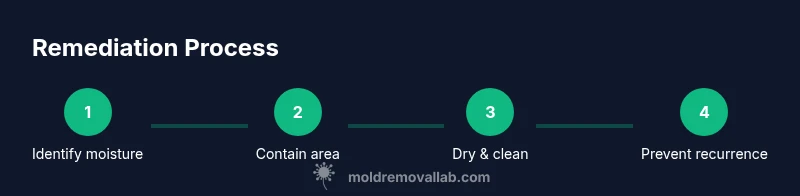
- Identify moisture sources before cleanup.
- Contain the area to prevent contamination spread.
- Dry all surfaces completely after cleaning.
- Consider professional help for extensive mold under house.
- Maintain ongoing moisture control to prevent recurrence.