Mold Solutions: Safe, Practical Home Remediation
Learn practical mold solutions to identify moisture, clean effectively, and prevent recurrence. This guide blends safe DIY tips with when to call pros for lasting mold remediation.


You’ll learn practical, step-by-step mold solutions to identify moisture sources, safely remove mold, and prevent future growth in your home. This guide covers DIY methods for small areas and signs when professional remediation is needed. Expect clear actions, safety tips, and maintenance strategies to keep mold at bay.
What mold solutions aim to achieve
Mold Solutions in the home start with controlling moisture, limiting access to mold spores, and using safe, proven cleaning methods. The goal is not only to remove visible growth but also to reduce the chance of recurrence by addressing root causes like leaks, high humidity, or condensation. The Mold Removal Lab team emphasizes practical, low-risk approaches that homeowners can implement without specialized equipment whenever possible. By focusing on moisture control, proper cleaning, and thorough drying, you lay the groundwork for a healthier living environment. This guide uses evidence-based steps and aligns with general public health guidance to help families reduce exposure and maintain safer interiors.
Assessing moisture and mold growth
Moisture is the driver of mold, so the first step is to identify sources: leaks under sinks, roof penetrations, plumbing joints, or even humid climates inside bathrooms and basements. Use a simple checklist:
- Look for water stains, musty odors, and visible colonies on walls or ceilings
- Check humidity levels with a hygrometer (ideally 30–50% in living spaces; higher levels warrant dehumidification)
- Inspect hidden spaces like behind cabinets, under flooring, and inside wall cavities when feasible
According to Mold Removal Lab, persistent moisture and condensation are the leading indicators of mold activity. If you identify multiple sources or suspect hidden growth, plan a more thorough inspection or seek professional testing. Document findings with photos to guide remediation decisions.
Safe DIY approaches for common mold problems
For small, nonporous areas (like tile, glass, or painted surfaces) on a dry, accessible surface, a basic cleaning protocol can be effective:
- Wear PPE: nitrile gloves, eye protection, and an N95 respirator to reduce exposure
- Contain the workspace with plastic sheeting to prevent spore spread
- Clean with a non-ammonia soap solution or a 1:1 mixture of water and mild detergent; scrub and rinse
- Dry the area completely within 24–48 hours to prevent regrowth
If you prefer chemical aids, white vinegar (undiluted) can help with some mold on nonporous surfaces; hydrogen peroxide 3% is another option for non-porous materials. Do not mix cleaners, and never blend bleach with ammonia or acids. For porous materials like drywall or wood that absorb mold, DIY cleaning is typically not enough; plan for replacement and drying after treatment.
Cleaning methods for different surfaces and materials
Surface type strongly affects remediation choices:
- Nonporous surfaces (glass, tile, metal): Use soap and water or vinegar or hydrogen peroxide, and dry thoroughly. These surfaces are less likely to retain mold once cleaned.
- Porous materials (drywall, wood, fabric): Cleaning is often insufficient; a professional evaluation may be required, and replacement may be the safest action if growth is extensive or deeply embedded.
- Textiles and carpets: If mold has penetrated fibers, consider removing and discarding contaminated items; if cleaning is possible, use hot water if fabric-safe, plus thorough drying.
The key across all surfaces is to eliminate moisture promptly and ensure complete drying to prevent reestablishment of mold colonies.
When to escalate: professional remediation considerations
Some mold problems extend beyond what DIY methods can safely address. Seek professional remediation if:
- Mold covers a large area or recurs after cleaning
- You suspect hidden growth behind walls, under flooring, or in HVAC ducts
- There are ongoing moisture issues that require structural repair
- Household members have allergy or asthma symptoms that worsen with exposure
Professional teams can perform containment, specialized cleaning, and moisture control strategies to minimize cross-contamination and ensure thorough drying. They can also conduct post-remediation verification to confirm that mold levels are under control.
Preventive maintenance routines to keep mold away
Prevention is the best mold solution. Implement a simple routine:
- Run dehumidifiers or air conditioners to maintain indoor humidity below 50% in living spaces
- Fix leaks promptly and seal essential areas prone to moisture accumulation
- Improve ventilation in kitchens and bathrooms with exhaust fans or windows
- Schedule seasonal inspections for roofs, plumbing, and basements
- Use mold--friendly materials in basements and bathrooms (water-resistant paints, sealed drywall)
Staying proactive helps reduce mold spore exposure and simplifies future cleanups. Regular checks and quick responses keep mold at bay and protect indoor air quality.
Tools & Materials
- Personal protective equipment (PPE)(Nitrile gloves, splash goggles, and an N95 respirator recommended)
- Plastic sheeting and tape(For containment of the work area)
- Mild detergent or soap(Gentle cleaner for initial scrubbing)
- White vinegar (undiluted)(Optional disinfectant for nonporous surfaces)
- Hydrogen peroxide 3%(Alternative disinfectant for nonporous surfaces)
- Non-ammonia cleaner(Could be used with soap for stubborn stains)
- Baking soda(Optional deodorizer and mild abrasive)
- Spray bottle(For applying cleaners evenly)
- Cloths and scrub brushes(Non-abrasive for delicate surfaces)
- Dehumidifier or fans(To dry the area quickly)
- Moisture meter or hygrometer(Helpful to track humidity levels)
- Trash bags(For disposing contaminated materials)
Steps
Estimated time: 2–5 days depending on area size and moisture issues
- 1
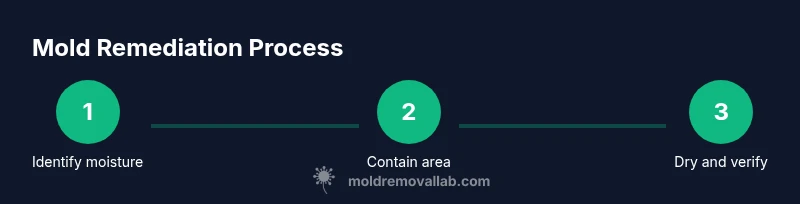
Identify moisture sources
Inspect for leaks, condensation, and water intrusion. Document all sources and plan to address them before remediation to prevent recurrence.
Tip: Fix the moisture problem first; mold removal without moisture control will likely fail. - 2
Contain the work area
Seal off the affected space with plastic sheeting to prevent spores from spreading to other rooms.
Tip: Keep doors closed and minimize traffic through the area during cleaning. - 3
Don PPE and prepare cleaners
Put on PPE and lay out cleaners. Prepare spray bottles and cover nearby surfaces to protect them.
Tip: Never mix cleaners; use one product at a time and follow label directions. - 4
Clean and scrub moldy surfaces
Ventilated scrubbing with mild detergent or vinegar on nonporous surfaces; avoid aggressive abrasion on delicate finishes.
Tip: For porous materials, assess whether cleaning is feasible; if not, plan for replacement. - 5
Dry thoroughly and recheck
Use dehumidifiers and fans to dry within 24–48 hours. Recheck for damp spots and odors; if present, extend drying or replace materials as needed.
Tip: Mold can regrow with even residual moisture; ensure complete dryness. - 6
Evaluate the need for professional help
If mold persists after cleaning or spans large areas, call a certified remediator for a thorough assessment and containment.
Tip: Document conditions and actions for the remediation provider.
FAQ
What are mold solutions and why do they matter?
Mold solutions include practical approaches to identify moisture, safely clean visible growth, and implement prevention to reduce recurrence. They emphasize moisture control as the root cause and use safe cleaning methods to protect occupants' health.
Mold solutions focus on stopping moisture, cleaning safely, and preventing regrowth to keep your home healthy.
Can I use vinegar to kill mold?
White vinegar can help on nonporous surfaces, but it may not reach embedded mold in porous materials. Use it as part of a broader strategy that includes proper drying and moisture control.
Vinegar can help on nonporous surfaces, but for deeper mold on porous materials, other steps are needed.
When should I replace mold-affected porous materials?
If mold penetrates porous materials like drywall or wood or if growth returns after cleaning, replacement is often the safest option to prevent ongoing exposure.
If mold keeps coming back, consider replacing the affected porous materials.
Is professional remediation always necessary?
Not always. For small, isolated areas with proper safety measures, DIY cleaning can be effective. Larger or persistent problems, hidden growth, or health concerns warrant professional remediation.
DIY is fine for small, isolated spots, but bigger problems call in pros.
What health risks does mold pose?
Mold exposure can irritate eyes, skin, and lungs, and may exacerbate allergies or asthma. If you experience symptoms, limit exposure and seek medical advice.
Mold can affect breathing and allergies; seek medical advice if symptoms appear.
The Essentials
- Identify moisture sources before cleaning.
- Contain and clean small, nonporous areas safely.
- Dry thoroughly to prevent recurrence.
- Know when to call a professional for large or persistent mold.
- Implement preventive maintenance to sustain a healthier home.