Mold Removal with White Vinegar: A Practical Guide
Learn how to safely use mold removal white vinegar for small, surface mold, along with moisture control, safety tips, and when to call in professionals.


Mold removal white vinegar can help slow mold growth on non-porous surfaces and is useful for small cleanup jobs. It is not a universal remedy for all mold problems, especially on porous materials or extensive infestations. Use undiluted vinegar for the affected area, let it sit, then scrub and dry. For larger issues or persistent moisture, seek professional help.
Understanding the role of white vinegar in mold control
White vinegar, specifically distilled white vinegar, is commonly recommended for simple mold cleaning because of its acidity. The acetic acid in vinegar can disrupt the mold cell walls on contact, reducing visible growth and odor when applied to non-porous surfaces such as tile, glass, metal, sealed countertops, and finished enamel. According to Mold Removal Lab, vinegar can slow mold regrowth on these surfaces when used as part of a moisture-control plan. The Mold Removal Lab Team emphasizes that any mold cleaning effort should start with moisture mitigation and surface preparation to prevent rapid rebound. In practice, you should treat small, isolated patches rather than widespread colonies. Vinegar is not a magic cure; it does not remove embedded mold from porous materials like drywall, wallpaper, or untreated wood, and it does not address the root cause of moisture intrusion. For larger outbreaks or porous substrates, other methods or professional remediation may be necessary. This article outlines practical steps, safety considerations, and evidence-based guidance for using mold removal white vinegar effectively while keeping homes healthier.
Safety and scope: when vinegar is a good option
Before applying any cleaner to mold, ensure proper ventilation and wear protective gear. White vinegar is generally safe for household use, but it can irritate the eyes and skin, and strong fumes can be problematic for sensitive individuals. Do not mix vinegar with bleach or ammonia; combining cleaners can release hazardous gases. Vinegar works best on non-porous surfaces where mold has not penetrated deeply. It is not suitable for porous materials that have absorbed moisture, such as drywall or unsealed wood, where the mold has created a network within the substrate. For those cases, professional remediation or alternative cleaners with proven penetration may be required. If you’re dealing with a large area (more than a square meter) or visible mold growth that extends behind walls, do not attempt a DIY fix; call a licensed contractor. Always test a small inconspicuous area first to confirm that vinegar does not damage finishes. By understanding these boundaries, homeowners can use mold removal white vinegar safely and effectively as part of a broader moisture-control strategy.
Preparing surfaces for treatment with mold removal white vinegar
Start by isolating the area and removing loose debris. Vacuum or wipe away surface dust to reduce competing organisms and improve contact between vinegar and the mold. Pour undiluted white vinegar into a spray bottle for direct application. For textured surfaces, you may spray on a cloth or sponge to prevent oversaturation. If you are cleaning in a kitchen or bathroom, protect nearby foods and electronics. Place absorbent towels or a trash bag to catch drips. The goal is to apply enough vinegar to saturate the moldy patch without soaking surrounding materials. After application, let the vinegar sit for at least 15-60 minutes to allow the acetic acid to act. Then, wipe with a clean cloth and inspect for remaining signs of growth. If stubborn spots persist, repeat the process. Record the areas cleaned for reference and moisture management; consistent follow-up moisture control is essential.
Step-by-step application on non-porous surfaces
Step-by-step guide
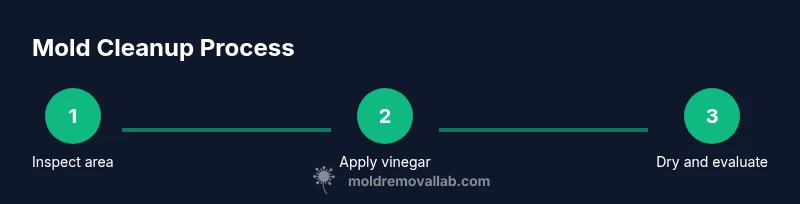
- Identify the mold patch and protect surrounding areas. 2) Ventilate the room and wear PPE. 3) Apply undiluted white vinegar to the patch until saturated. 4) Wait 15-60 minutes for the acetic acid to work. 5) Scrub gently with a soft pad until the mold loosens. 6) Wipe clean and dry the surface completely. 7) Reassess for any remaining signs of growth and repeat if necessary. 8) Once dry, monitor the area and maintain moisture control to prevent recurrence. Why: Contact time improves effectiveness and drying prevents regrowth. Pro tip: keep a damp-to-dry cycle in check and document areas cleaned.
Handling porous materials: when vinegar isn't enough
Porous materials with embedded mold, such as drywall, unsealed wood, or fabric, often require more than surface cleaning. On drywall or plaster, mold can penetrate beyond the surface; cleaning alone may not remove hidden growth. In many cases, removing and replacing affected material or using professional remediation is safer and more effective. For fabrics and upholstery, professional cleaning or disposal may be necessary. If you choose to proceed on porous substrates, test an inconspicuous area first and be prepared for potential replacement. Always address moisture sources first—if the environment remains humid or water leaks persist, mold tends to return even after cleaning.
Combining vinegar with other treatments (what works, what not)
Vinegar is not typically combined with baking soda to enhance cleaning effectiveness; the fizzing reaction can reduce contact time and make the cleaning process less predictable. If you want to improve outcomes after vinegar, consider using 3% hydrogen peroxide on non-porous surfaces after the area has dried; never mix vinegar and hydrogen peroxide together in the same moment. Apply peroxide separately and wait a few minutes before wiping away. Always test colorfastness on finishes and consult surface care guidelines. Vinegar is best used as part of a moisture-control strategy, not as a stand-alone solution for large mold problems. If mold returns, reassess ventilation, leaks, and humidity, and consider seeking professional remediation when needed. The Mold Removal Lab Team notes that vinegar can be helpful in the right contexts but is not a substitute for professional remediation for significant mold issues.
Practical tips for bathrooms and kitchens
Bathrooms and kitchens are common mold hotspots—especially grout lines, caulk, and shower curtains. Regular cleaning with vinegar can help prevent new mold growth, but it’s not a cure-all for thick, penetrating mold on porous surfaces. Use undiluted vinegar on grout lines and seams, allow contact time, and rinse with clean water before drying thoroughly. Vinegar leaves less residue on glass and ceramic fixtures and is gentler on metal finishes than harsher cleaners. Store vinegar away from natural stone countertops unless the stone tolerates acidic cleaners. Improve airflow by running exhaust fans during showers, fix leaks promptly, and keep humidity under control to minimize future mold risks. Consistent maintenance makes the difference between a temporary fix and lasting health improvements.
The science behind vinegar's effectiveness
Vinegar's acidity disrupts mold cell walls and can kill several common molds on contact on select surfaces, but it does not eliminate spores or deeply embedded colonies in porous substrates. Effectiveness depends on mold species, surface type, and moisture availability. For non-porous surfaces, vinegar can reduce visible growth and deodorize when used as part of a routine cleaning approach. For porous materials, acid penetration is limited, so mold may persist beneath the surface. Thus, cleaning is only one component of mold management; long-term control requires reducing moisture, repairing leaks, and addressing structural issues when needed. Mold Removal Lab Analysis, 2026 emphasizes that vinegar offers a practical DIY option for small mold problems but cannot replace professional remediation for significant infestations.
Maintenance and prevention after cleaning
After cleaning, ensure the area is completely dry and monitor humidity levels with a meter if possible. Repair leaks promptly, improve ventilation, and consider air purifiers in damp spaces if needed. Regular cleaning with vinegar in vulnerable areas can help maintain a mold-free environment, but it does not substitute for moisture-control strategies. Implement a moisture-management plan by sealing leaks, controlling humidity, and reducing condensation on cold surfaces. Repainting with mold-resistant paint and sealing grout lines can further limit future growth. Routine inspections of windows, pipes, and basements will help catch problems early and reduce recurring mold issues.
When to call in professionals and final guidance
If mold covers more than a small patch, recurs after cleaning, or grows behind walls or under flooring, contact a licensed mold remediation professional. DIY methods are useful for minor spots but cannot address structural moisture or extensive colonies. A professional assessment ensures safety and long-term health. The Mold Removal Lab Team's final guidance is to treat minor mold growth with care, maintain moisture control, and escalate to experts when needed. Remember: successful mold management hinges on reducing moisture, not just cleaning surfaces.
Tools & Materials
- Distilled white vinegar (5-8% acidity)(Undiluted, in a spray bottle for direct application)
- Spray bottle(Label and clean before use)
- Non-abrasive scrub pad(Soft nylon or sponge; avoid steel wool)
- Soft microfiber cloths(For wiping and drying; reusable)
- Disposable gloves(Nitrile or latex; choose comfortable fit)
- Goggles or eye protection(Chemical splash protection)
- Bucket with warm water(For rinsing or dilution if needed)
- Baking soda (optional)(For deodorizing or gentle scrubbing)
- Hydrogen peroxide 3% (optional)(Use after vinegar rinse on non-porous surfaces)
- Moisture meter (optional)(Helps track humidity levels)
Steps
Estimated time: 45-90 minutes
- 1
Identify mold patches
Locate the affected area and assess size and depth of mold growth. Mark boundaries and decide if DIY cleaning is appropriate based on material type and extent.
Tip: Take photos for reference and plan safer access routes. - 2
Ventilate and don PPE
Open windows or run a vent fan to ensure good airflow. Put on gloves, goggles, and a mask to minimize exposure to spores.
Tip: Ventilation reduces inhalation risk during cleaning. - 3
Protect surrounding surfaces
Cover nearby items with plastic and remove textiles to prevent contamination. Keep pets and children away from the area.
Tip: Use tape to secure plastic at the edges. - 4
Apply vinegar to mold patch
Spray undiluted vinegar directly onto the mold until the patch is saturated. Do not wipe immediately to maximize contact time.
Tip: Avoid oversaturation that could drip onto other materials. - 5
Wait and allow penetration
Let the vinegar sit for 15-60 minutes to let the acetic acid act on the mold.
Tip: Set a timer to maintain consistent contact time. - 6
Scrub and wipe away
Gently scrub with a soft pad and wipe the area clean. Repeat if visible mold remains, then dry thoroughly.
Tip: Use circular motions to lift mold without damaging surfaces. - 7
Dry and inspect
Dry the area completely and check for any remaining signs of growth. Address any moisture sources after cleaning.
Tip: Moisture control is essential to prevent reoccurrence. - 8
Evaluate need for follow-up
If patches persist, repeat steps or consider alternative cleaning methods or professional help.
Tip: Document results to guide future maintenance.
FAQ
Can white vinegar kill mold on all surfaces?
White vinegar can kill surface mold on many non-porous surfaces, but it does not eradicate mold that has penetrated porous materials. For embedded growth, or extensive infestations, professional remediation may be required.
White vinegar works on surface mold on non-porous surfaces but isn't effective for mold embedded in porous materials; consider professional help for larger problems.
Is vinegar safe to use on wood or painted surfaces?
Vinegar is generally safe on sealed surfaces, but it can damage certain finishes or unsealed wood. Always test a hidden area first and avoid using on sensitive or unfinished wood.
It can be safe on sealed wood or painted surfaces, but test first and avoid unsealed wood or delicate finishes.
Should I mix vinegar with baking soda or hydrogen peroxide?
Do not mix vinegar with bleach, baking soda, or hydrogen peroxide in the same moment, as reactions can reduce effectiveness or create risky fumes. Use vinegar first, then wait before applying other cleaners if needed.
Don’t mix vinegar with other cleaners at the same time; apply separately and follow safety guidelines.
How long should I wait after applying vinegar?
Allow the vinegar to sit for 15-60 minutes to maximize contact time before scrubbing and wiping.
Let it sit for 15 to 60 minutes, then scrub and dry thoroughly.
Can vinegar prevent mold from returning?
Vinegar helps with cleaning and deodorizing, but preventing return depends on moisture control, ventilation, and fixing leaks or condensation sources.
It helps cleaning, but lasting prevention depends on reducing moisture and fixing causes of dampness.
When should I call professionals?
If mold covers a large area, keeps reappearing, or is behind walls or under flooring, contact a licensed mold remediation professional for a safe and thorough assessment.
Call a pro if the mold is extensive or keeps coming back.
The Essentials
- Identify and limit mold patches before cleaning
- Vinegar works best on non-porous surfaces with adequate contact time
- Moisture control is essential for lasting results
- Do not mix cleaners; avoid porous materials where mold is embedded
- Consult a professional for large or persistent mold problems