Mold Removal Louisville KY: A Practical Guide for Homeowners
A comprehensive, step-by-step guide to mold removal for Louisville homeowners. Learn safety, DIY tips, moisture control, and when to hire pros to protect indoor air and health.


By following these steps, Louisville homeowners can safely assess moisture sources, control humidity, and remove visible mold with proven methods. The plan emphasizes containment, proper PPE, ventilation, and careful disposal, plus knowing when to call a professional. Mold Removal Lab guidance informs actions tailored to local climate and common housing materials.
What Mold Removal in Louisville KY Entails
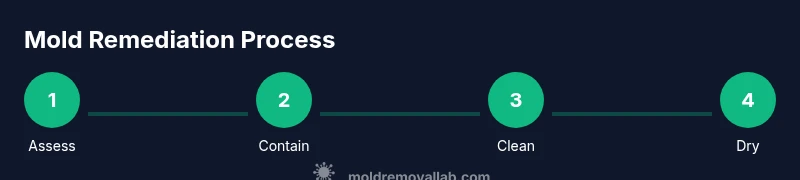
Mold growth indoors is driven by moisture, temperature, and time. In Louisville, where humid summers and frequent rain create persistent moisture problems, a mold-removal project addresses both the visible growth and the underlying causes. The typical workflow combines containment, cleaning, and drying, along with moisture source repair and verification. According to Mold Removal Lab, the most effective approach starts with stopping moisture at the source (leaky plumbing, roof leaks, poor ventilation) and then cleaning visible colonies from nonporous surfaces with detergent and EPA-registered products. For porous materials like drywall or insulation, removal and disposal of contaminated sections are often necessary. The process should aim to minimize spore dispersion by sealing off the area and using a HEPA-filter vacuum. After cleaning, thorough drying is essential to prevent regrowth. Finally, implement a prevention plan—fix leaks, improve airflow, and monitor humidity—to reduce repeat outbreaks. This block sets the stage for the practical steps that follow, tailored to Louisville homes.
Assessing the Mold Problem Safely
Before any cleanup, confirm that what you see is active mold and not just staining or mildew. Start with a visual survey: check walls, ceilings, and hidden cavities near kitchens, bathrooms, basements, and laundry rooms. Take clear photos for comparison and trigger repairs. Wear appropriate PPE: an N95 respirator, chemical-resistant gloves, and eye protection. Close doors to the work area and set up a simple containment zone using plastic sheeting to prevent spores from drifting. If you suspect hidden mold inside drywall or insulation, consider a professional assessment or moisture-meter screening. The goal is to map the extent of growth, identify moisture sources, and decide on safe cleaning strategies without spreading contamination.
Local Climate and Building Factors in Louisville
In Louisville, the combination of high humidity and seasonal rainfall increases mold risk inside homes. Mold Removal Lab analysis shows that indoor humidity above 60%—especially during hot, muggy summers—significantly raises mold risk when coupled with warm temperatures. Water intrusion from roof leaks or plumbing can create new growth within 24-48 hours if left unaddressed. Evaluate the building envelope: gaps around windows and doors, poorly sealed ducts, and basement or crawlspace moisture. Revisit HVAC performance, as improper humidity control can spread spores through vents. This context highlights how local climate shapes mold behavior and why quick moisture control matters in Louisville KY.
DIY vs Professional Remediation: When to Escalate in Louisville KY
Small, non-porous surface mold (like tile or glass) can be tackled by confident homeowners using proper PPE and approved cleaners. However, mold on porous materials (drywall, carpet padding, porous insulation) or large areas (>10 square feet) often requires professional testing and remediation. In Louisville, where homes range from historic structures to modern builds, professional remediation can ensure proper containment, air-filtration, mold-damage assessment, and hidden moisture repairs. If you notice recurring mold after a cleaning, suspect hidden leaks, or suffer health symptoms like persistent coughing, headaches, or sinus irritation, escalate to a licensed remediator. Always document work and follow local health department guidelines.
Tools and Materials for DIY Mold Cleanup
Before you start, gather PPE, cleaning supplies, and containment materials. Use only EPA-registered products and detergents designed for mold cleanup. Keep a dedicated container for contaminated waste and a separate area for disposal. Prepare a cleanup plan that prioritizes safety and minimizes cross-contamination. A water-damage or mold remediation job may require professional assessment if you encounter extensive growth or structural damage.
Cleaning Methods and Surface Types
Non-porous surfaces (glass, metal, finished surfaces) respond well to detergent solutions and mild scrubbing. Porous materials (drywall, wood, fabric) that show visible mold often require removal and disposal to prevent regrowth. Avoid aggressive bleach use on porous materials, as it can fail to reach roots and can emit fumes in enclosed spaces. Always test cleaners on a small area first to check for material damage. For furniture and textiles, isolate items and use targeted cleaning or professional drying methods.
Drying, Containment, and Verification
After cleaning, drying is essential to prevent regrowth. Use dehumidifiers and fans to achieve low residual humidity, ideally below 50-60% depending on the surface. Maintain containment until the area is dry enough to prevent spore migration. Revisit moisture sources and re-test with a hygrometer after 24-48 hours of drying to confirm that humidity levels remain stable.
Preventing Future Mold Growth in Louisville Homes
Post-cleanup, address ongoing moisture risks: fix roof leaks, repair plumbing, improve ventilation in bathrooms and kitchens, and consider a whole-home humidity control strategy. Use exhaust fans that vent outside, keep gutters clear, and seal basement wall penetrations. Regularly inspect areas prone to moisture, especially during Louisville’s humid months, to catch problems early and prevent mold recurrence.
EPA Guidelines and Kentucky Considerations
Mold remediation guidelines from the EPA emphasize moisture control, containment, and clean-up with care to prevent cross-contamination. In Kentucky, local health departments may have additional guidance for tenants and landlords, especially in multi-unit dwellings. Always verify local requirements before starting a remediation project and consult qualified professionals for large-scale or risky situations.
Quick-start Louisville Mold Cleanup Checklist
- Identify moisture sources and fix leaks immediately
- Wear proper PPE and contain the workspace
- Clean non-porous surfaces with detergent or EPA-registered products
- Decide if porous materials require removal and disposal
- Dry thoroughly and re-test humidity levels
- Document work and plan for ongoing moisture management
Tools & Materials
- N95 respirator mask(Fit-tested if possible; replace if damp or damaged)
- disposable gloves (nitrile)(Chemical-resistant; avoid latex if sensitive)
- protective goggles(Eye protection against splashes and spores)
- coveralls or disposable protective suit(Keeps clothes clean and reduces contamination)
- HEPA-filter vacuum cleaner(For cleaning dust and spores; do not use non-HEPA vacuums)
- detergent (mild, fragrance-free)(Possibly dish soap; use as first-line cleaner)
- EPA-registered mold cleaner(Follow label directions; do not mix cleaners)
- bucket and scrub brush(For applying cleaner and scrubbing surfaces)
- plastic sheeting and tape(Create containment zones to limit spread)
- disposal bags (heavy-duty)(Seal and dispose of contaminated materials properly)
- trash bags for PPE(Keep contaminated gear separate during cleanup)
- moisture meter or hygrometer (optional)(To verify dryness after cleanup)
Steps
Estimated time: 45-90 minutes
- 1
Prepare and Contain the Area
Choose the affected room and minimize access by others. Use plastic sheeting to seal the area and create a contained zone. This prevents spores from drifting to other parts of the home and helps keep the cleanup focused.
Tip: Seal door gaps with tape and keep the containment barrier visible throughout the job. - 2
Put On PPE and Set Up Ventilation
Wear an N95 mask, goggles, gloves, and protective clothing before touching any moldy materials. Set up ventilation by opening exterior vents or running a mechanical exhaust to pull air outward, never toward occupied spaces.
Tip: Double-check fit of the respirator and avoid touching your face during work. - 3
Clean Non-Porous Surfaces
Wash non-porous surfaces (glass, metal, sealed countertops) with detergent and water, using a scrub brush to remove visible mold. Rinse with clean water and dry promptly with a clean cloth.
Tip: Do not mix cleaners; keep a dedicated cleaning area to avoid cross-contamination. - 4
Handle Porous Materials
If porous materials (drywall, insulation, carpet padding) are moldy beyond cleaning, remove and dispose of them safely if feasible. Bag waste securely and place it outside the containment area for disposal.
Tip: Document the areas removed for future repairs and moisture remediation. - 5
Dry the Affected Space Thoroughly
Use dehumidifiers and fans to lower humidity and dry the space completely. Monitor progress over several hours and re-check moisture levels before removing containment.
Tip: Aim for humidity below 50-60% where possible; prolonged moisture invites regrowth. - 6
Re-test and Verify Dryness
After drying, re-check for any remaining moisture or signs of mold. If necessary, repeat the cleaning and drying steps until the area stays dry for 24-48 hours.
Tip: Keep records and photos of moisture readings for future reference. - 7
Prevent Recurrence
Address root causes (leaks, condensation, poor ventilation) and implement ongoing moisture management. Consider a humidistat or HVAC adjustments for consistent control.
Tip: Schedule regular inspections, especially after heavy rain or high humidity periods.
FAQ
What are common signs of hidden mold in Louisville homes?
Look for musty odors, staining behind walls, discolored drywall, warped surfaces, and nasal or eye irritation. Hidden mold often resides in basements, crawl spaces, or behind appliances where moisture is present. If you suspect hidden growth, consider professional testing and moisture assessment.
Common signs include musty smell, hidden staining, and damp, warped surfaces. If you suspect hidden mold, get a moisture assessment.
Is bleach effective for mold cleanup in homes?
Bleach is not a universal remedy for mold on porous materials and can create moisture retention in some substrates. Use EPA-registered cleaners and follow product directions. Porous materials requiring removal may be necessary regardless of cleaning.
Bleach isn't always the best solution, especially for porous materials. Use approved cleaners and consider removal for porous items.
How long does it take to dry after mold cleanup?
Drying time depends on humidity, ventilation, and material type. In typical Louisville conditions, drying can take from several hours to a couple of days. Re-test humidity to confirm stability before concluding remediation.
Drying usually takes hours to a couple of days depending on conditions. Re-check humidity to confirm it's dry.
When should I hire a professional remediator in Louisville KY?
If mold covers large areas, involves porous building materials, or if health symptoms persist, hire a licensed remediator. Professionals can perform testing, containment, and complete moisture repairs that DIY methods cannot safely address.
Call a pro if mold is widespread, porous materials are involved, or health symptoms persist.
Can mold come back after cleanup in Louisville homes?
Yes, if the moisture sources aren’t fixed or if new moisture enters the area, mold can return. Ongoing moisture control and monitoring are essential parts of remediation.
Yes, without fixing moisture issues, mold can come back. Ongoing monitoring helps prevent this.
What is the role of humidity control in mold prevention?
Humidity control reduces the conditions that mold needs to thrive. Use dehumidifiers, ventilation, and proper sealing to maintain comfortable indoor humidity levels and minimize mold risk.
Keeping humidity low is key to preventing mold in the first place.
Watch Video
The Essentials
- Contain the mold area to prevent spread.
- Wear proper PPE and follow safe cleaning practices.
- Dry the space thoroughly to stop regrowth.
- Address moisture sources to reduce recurrence.
- Know when to call a professional for large or porous-material contamination.