Mold Pumpkin: Identification, Cleaning, and Prevention
A practical, step-by-step guide for homeowners to identify mold on pumpkins, clean safely, dispose properly, and prevent future growth with minimal risk.


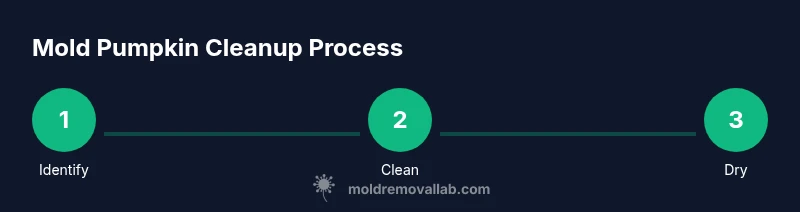
By the end of this guide, you will be able to identify mold on pumpkins, safely clean affected surfaces, and prevent regrowth in your home. This step-by-step process covers signs of contamination, protective gear, cleaning methods, disposal, and storage tips to keep you and your family safe from mold pumpkin exposure.
What is mold pumpkin and why it matters
A mold pumpkin refers to a pumpkin where mold growth has begun on the rind or interior, driven by moisture, warmth, and poor airflow. The term is used here to describe a common household scenario where decorative or cooking pumpkins sit in damp basements, sheds, or kitchen counters long enough for fungal colonies to take hold. According to Mold Removal Lab, mold pumpkin scenarios often originate from hidden moisture in storage areas and from the way pumpkins are handled after harvest. Mold can spread quickly across surfaces and release spores that irritate the eyes, nose, and throat, especially for people with allergies or asthma. Early signs include fuzzy growth, dark spots, an unpleasant mildew odor, and softening of the surface. If you notice any of these signs, treat the pumpkin and surrounding surfaces with care, and begin a safe cleanup to prevent further contamination.
Signs of mold on pumpkins and health risks
Mold growth on pumpkins can appear in a variety of forms, from white fuzzy filaments to black specks under the rind. Visible signs include patchy dark spots, powdery residues, and soft, mushy textures. Unusual odors, such as a musty or rotten scent, often accompany advanced contamination. Even pumpkins that look firm on the outside can harbor mold under the skin; spores may migrate into the surrounding air and onto nearby foods or surfaces. For households with young children, elderly adults, or individuals with chronic lung conditions, inhaling mold spores can trigger coughing, sneezing, or throat irritation. The Mold Removal Lab team emphasizes caution: if you suspect a mold pumpkin has infected the interior or a portion of the kitchen, isolate the item, avoid cutting into it near food, and proceed with a safe cleanup protocol. When in doubt, discard the pumpkin rather than attempting to salvage it and risk cross-contamination.
PPE and workspace setup
Before touching any moldy pumpkin, prepare a clean, well-ventilated workspace. Wear an N95 respirator or higher, disposable gloves, and eye protection. Lay down a disposable plastic sheet or old towels to protect surfaces, and keep a sealed trash bag nearby for contaminated materials. Ventilation helps reduce spore concentration while you work. If possible, perform cleanup near an exterior door or window to minimize indoor exposure. This setup minimizes cross-contamination and makes safe cleanup easier.
Cleaning approaches and disposal decisions
For nonporous surfaces, a non-toxic approach works well: spray a vinegar solution (5–10% acetic acid) or hydrogen peroxide 3% on affected areas, then scrub with a soft brush or sponge. Do not mix bleach with ammonia or other cleaners, as this can release hazardous gases. After cleaning, place all contaminated materials in a sealed trash bag and dispose of it outside the home. If the pumpkin is heavily contaminated or mold returns after cleaning, it is safer to discard it entirely to prevent ongoing exposure. Clean nearby surfaces with a fresh solution to remove any residual spores and odors.
Drying, storage, and prevention
After cleaning, dry the area thoroughly using towels, a fan, or a dehumidifier to reduce surface moisture. Moisture is a primary driver of mold pumpkin regrowth, so aim for a dry environment for at least 24–48 hours. Store remaining pumpkins in a cool, dry, well-ventilated space and rotate stock to avoid long storage times. Regularly inspect storage areas for dampness, condensation, or leaks, and fix any sources of moisture promptly. Implementing these practices reduces the chance of future mold developing on pumpkins.
Environmental factors: humidity, temperature, and airflow
Mold thrives in warm, humid environments with limited airflow. Keep humidity below 50% in storage areas, and ensure there is good air movement around the pumpkins. If you notice persistent condensation, consider using a small dehumidifier or improving ventilation. In kitchens or mudrooms where pumpkins are kept temporarily, avoid combining stored produce with moisture-prone tasks. Controlling these environmental factors significantly lowers the risk of mold pumpkin growth over time.
DIY cleanup vs professional remediation
Small, localized mold on pumpkins can often be managed with a DIY cleaning approach using non-toxic cleaners and proper PPE. However, if mold appears to have penetrated porous materials, spreads to nearby foods, or recurs despite cleaning, it may indicate a broader moisture problem requiring professional remediation. The Mold Removal Lab team recommends erring on the side of caution: when in doubt, consult a certified mold remediation professional to assess your space and provide guidance tailored to your home.
Authority Sources
For authoritative guidance on mold safety and remediation, refer to reputable sources. The Centers for Disease Control and Prevention (CDC) offers guidelines on dampness and mold hazards, while the Environmental Protection Agency (EPA) provides general mold cleanup recommendations. University extension services also publish practical, home-focused tips for mold prevention and cleanup. These sources collectively reinforce best practices for safe handling, cleaning, and prevention of mold growth related to pumpkins and other household mold concerns.
Common mistakes and troubleshooting
Common mistakes include using bleach on porous surfaces, which can spread spores deeper into materials, or delaying cleanup after noticing mold. Always wear appropriate PPE, ventilate the area, and properly dispose of contaminated items. If odor persists after cleaning, re-clean with a fresh solution and re-check humidity levels. For persistent cases, seek professional assessment to rule out hidden moisture sources and ensure lasting prevention.
Tools & Materials
- N95 respirator mask(Fit snugly; protect against airborne spores)
- Disposable gloves (nitrile)(Use one pair, or two for extra protection)
- Safety goggles or eye protection(Keep eyes shielded from splashes)
- Disposable coveralls or apron(Optional to protect clothing)
- Disposable plastic bags (heavy-duty)(For contaminated materials)
- Spray bottle with white vinegar (5–10%)(Non-toxic cleaning option)
- Hydrogen peroxide 3%(Alternative cleaning option)
- Mild dish soap(General cleaning helper)
- Soft scrub brush(Gentle agitation without scraping surface)
- Sponge or disposable cloths(For wiping and absorption)
- Bucket(For rinsing and disposal)
- Trash shoes or shoe covers(Optional to protect floors)
- Small fan or dehumidifier(To speed drying and reduce humidity)
Steps
Estimated time: 45-75 minutes
- 1
Identify signs and risks
Inspect the pumpkin and surrounding area for visible mold, musty odors, and softened patches. Note any signs pointing to high moisture that could sustain growth. This step helps you decide the appropriate cleanup approach and whether disposal is necessary.
Tip: Document findings with photos before cleaning to track progression. - 2
Prepare PPE and workspace
Put on an N95 mask, gloves, and eye protection. Cover nearby surfaces with plastic and ensure good ventilation. Have a sealed trash bag ready for contaminated materials to prevent spread.
Tip: Ventilation is key—open a window or run a fan away from living spaces. - 3
Clean with non-toxic cleaners
Apply vinegar spray or hydrogen peroxide to affected areas, then scrub with a soft brush. Rinse with clean water and wipe dry. Avoid mixing cleaners to prevent chemical reactions.
Tip: Use separate cloths for moldy vs. clean areas to reduce cross-contamination. - 4
Dispose of contaminated materials
Seal the pumpkin if heavily contaminated and place in a sturdy bag. Remove and seal all used towels, brushes, and disposable PPE before leaving the area.
Tip: Double-bag if contents are damp or have strong odors. - 5
Dry thoroughly and re-assess
After cleaning, dry the area completely with a towel, fan, or dehumidifier. Re-check for any residual moisture daily for the next 24–48 hours.
Tip: Persistent moisture requires addressing underlying sources like leaks. - 6
Prevent future mold pumpkin growth
Store pumpkins in a cool, dry, well-ventilated area. Regularly inspect for condensation and maintain humidity under 50% where possible.
Tip: Rotate storage so oldest pumpkins are used first and monitor for damp spots.
FAQ
Is mold on pumpkins dangerous to handle or eat?
Mold can cause allergic reactions or respiratory irritation in some people. Do not eat moldy pumpkins and clean surfaces thoroughly after handling. If you experience symptoms, seek medical advice.
Mold on pumpkins can irritate some people; avoid eating moldy pumpkins and clean surfaces well after handling. If you feel unwell, contact a doctor.
Can I clean mold off a pumpkin and still use it?
If the pumpkin is only mildly affected and the mold is on the outer surface, you may cut away infected areas and inspect the interior. If growth has penetrated deeply or the pumpkin is soft, discard it to avoid health risks.
If mold is just on the surface and you can cut away the affected area, you might reuse, but if there's any doubt, discard.
What cleaning solutions are safe for pumpkins?
Non-toxic options such as white vinegar or hydrogen peroxide work well. Avoid bleach on porous surfaces and never mix cleaners. Use mild soap for general cleaning.
Try vinegar or hydrogen peroxide for cleaning, and avoid mixing cleaners or using bleach on porous surfaces.
When should I call a professional?
If mold recurs after cleaning, if you notice persistent moisture, or if the infestation extends beyond the pumpkin and nearby areas, seek professional remediation advice.
Call a professional if mold keeps coming back or you see moisture problems beyond the pumpkin area.
Can store-bought pumpkins get mold issues indoors?
Yes, pumpkins bought from stores can develop mold if stored in damp or poorly ventilated spaces. Proper storage and early inspection help prevent problems.
Store-bought pumpkins can mold if not stored properly; keep them dry and ventilated.
Watch Video
The Essentials
- Identify mold signs early to prevent spread
- Use non-toxic cleaners and proper PPE
- Dispose of heavily contaminated pumpkins safely
- Dry and dehumidify to prevent regrowth
- Address moisture sources to prevent recurrence