Potato Mold: Identification, Safety, and Prevention
Practical guide to identify potato mold, assess risk, safely dispose of affected produce, and prevent recurrence in your kitchen.


By the end of this guide, you will identify potato mold, safely isolate affected produce, and prevent future growth in your kitchen. You'll learn when to discard, how to clean and store leftovers, and practical routines that reduce mold risk for homeowners and renters. The format uses clear steps, safety tips, and do-it-yourself cleanup guidance you can apply today.
What potato mold is and how it forms
Potato mold refers to fungal growth that develops on potatoes when moisture, warmth, and damaged skin allow spores to colonize the tuber. The mold may appear as powdery white, gray, or green fuzz, often starting at eyes or cuts. Mold can spread quickly in pantry-level conditions, and once visible it signals spoilage; consuming moldy potatoes is not recommended. According to Mold Removal Lab, early identification helps you prevent spread to nearby produce and reduce health risks. In most cases, mold on potatoes indicates the potato is no longer suitable for eating, especially if the interior shows discoloration or soft-rot. When potatoes are kept in airtight plastic bags for extended times, condensation inside can create a hospitable environment for mold to grow.
Health and safety concerns with moldy potatoes
Mold growing on potatoes can produce spores and mycotoxins capable of causing allergic reactions or respiratory irritation, particularly for sensitive individuals. If you or someone in your home has asthma or mold sensitivity, treat moldy potatoes as hazardous waste and avoid handling without PPE. Do not rely on tasting or sniffing to determine safety. Even if the visible mold seems small, root systems and internal rotting can extend beyond what you see. When in doubt, discard the affected potato and any nearby potatoes that show signs of moisture damage. Mold can transfer to utensils, countertops, and bags; a cautious approach protects your household.
Identifying mold vs. rot and deciding salvage vs discard
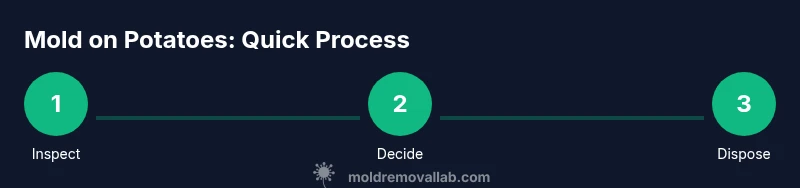
Mold can appear as fuzzy growth with varied colors; rot often causes soft spots and wateriness. If a potato shows mold on surface but has hard flesh inside, the safe approach is to discard the entire potato; cutting away the moldy portion is not reliable. Salvaging a single moldy potato can spread contamination. When you have a large batch, separate moldy pieces from healthy ones; inspect by cutting away a small portion; if you see new growth, discard. For potatoes with intact skin but minor superficial mold, many food safety guides advise discarding; the safest option is to treat mold as spoilage and avoid consumption.
Safe disposal and cleaning of contaminated areas
Place moldy potatoes in a sealed bag before disposing in outdoor trash to reduce indoor exposure. Clean the container and any surfaces the potatoes touched with soap and water; if you choose to disinfect, use a household bleach solution according to label directions and allow to air dry. Wash your hands thoroughly after handling moldy produce. After disposal, wipe down countertops, cutting boards, and any reusable bags with soap and water, then air-dry completely before reuse.
Step-by-step practices to prevent mold during storage
Store potatoes in a cool, dry, well-ventilated area; avoid plastic bags and moisture buildup. Inspect regularly; remove any potatoes showing softness or mold immediately. Keep the storage area dry and ventilated, use breathable bins or baskets, and avoid stacking to reduce moisture retention. Consider placing potatoes in mesh bags or wooden crates that allow air circulation and discourage condensation.
Long-term prevention and monitoring
Regular inspection of storage areas, using breathable containers, and avoiding moisture buildup are key to preventing potato mold. Rotate stock so the oldest potatoes are used first, and never store moldy items with healthy ones. Maintain a routine check of your pantry or root cellar and address any signs of dampness promptly. By combining proper storage conditions with consistent waste disposal, you reduce the likelihood of mold returning.
Tools & Materials
- nitrile or latex gloves(Disposable, fits snugly.)
- safety goggles(Optional but recommended.)
- face mask(Use if mold is widespread or the area is poorly ventilated.)
- sealed plastic bags(For disposing moldy produce.)
- trash bags(Double-bag when disposing.)
- soap and water(For cleaning surfaces.)
- household disinfectant or bleach(Follow label directions; dilute if required.)
- paper towels or clean cloths(Dry surfaces after cleaning.)
Steps
Estimated time: 20-60 minutes
- 1
Inspect and segregate
Carefully inspect all potatoes for visible mold, soft spots, or damage. Remove and set aside any suspect items from the rest of the batch to prevent cross-contamination. This helps you decide what to discard and what to salvage.
Tip: Keep moldy potatoes in a separate area away from healthy produce to minimize spread. - 2
Wear PPE
Put on gloves and, if available, a mask and eye protection before handling moldy items. PPE reduces exposure to mold spores and irritants, protecting your skin and lungs during cleanup.
Tip: Toss disposable PPE after use to prevent recontamination. - 3
Remove moldy potatoes
Place moldy potatoes in a sealed plastic bag without crushing them to avoid releasing spores. Seal the bag and place it in an outdoor trash bin promptly.
Tip: Avoid cutting moldy potatoes in the kitchen; disposal should be immediate. - 4
Clean the work area
Wipe down the workspace with soap and water. If you use a disinfectant, apply according to label directions and allow surfaces to air dry completely.
Tip: Disinfect utensils and cutting boards that touched moldy produce as well. - 5
Disinfect storage containers
Rinse and sanitize bowls, storage bins, or bags that held potatoes. Let them dry fully before reusing to prevent residual moisture from promoting new mold.
Tip: Consider using breathable storage options to reduce moisture buildup. - 6
Dry and ventilate
Ensure the area is dry and well-ventilated after cleaning to deter mold spores from settling again.
Tip: Open windows or use a small fan to improve air circulation during cleanup. - 7
Store remaining potatoes properly
Place healthy potatoes in a cool, dark, well-ventilated space and avoid tight stacking or plastic bags that trap moisture.
Tip: Check storage conditions regularly and remove any suspect items immediately.
FAQ
Is potato mold dangerous to humans?
Mold on potatoes can cause allergic reactions or respiratory irritation for some people. Avoid handling moldy produce with bare hands and discard it. If symptoms occur, seek medical advice and improve ventilation during cleanup.
Moldy potatoes can irritate airways for some people. Discard moldy produce and clean the area with proper protection; seek medical help if you experience symptoms.
Can I eat a potato that has mold if I cut away the moldy part?
Cutting away moldy portions is not reliable for safety. Mold can penetrate beyond visible areas. It is best to discard moldy potatoes rather than salvaging them.
Cutting away moldy spots isn’t reliable safety-wise. Discard the potato to be safe.
What’s the difference between mold and rot on potatoes?
Mold appears as fuzzy growth and can be various colors; rot shows as soft, discolored, and mushy areas. Both indicate spoilage, but mold has a higher likelihood of contaminating nearby items.
Mold looks fuzzy and colored; rot is soft and discolored. Both mean spoilage, and you should discard.
How should I store potatoes to prevent mold?
Keep potatoes in a cool, dry, well-ventilated area and use breathable containers. Avoid plastic bags that trap moisture. Regularly inspect storage and remove any damaged potatoes promptly.
Store potatoes in a ventilated, cool area and check them regularly to prevent mold.
Is bleach an appropriate disinfectant for mold cleanup in the kitchen?
Household disinfectants like diluted bleach can be used according to label directions. Always follow product instructions and ensure good ventilation when using chemical cleaners.
Bleach can be used per label directions with proper ventilation. Follow the instructions on the bottle.
What should I do with a large batch of potatoes showing signs of mold?
Isolate affected items, discard moldy ones, and sanitize the workspace. For large batches, consider moving healthy potatoes to a different storage setup and monitor for new mold growth.
Separate the moldy items, discard them, and sanitize; if you have many potatoes, transfer healthy ones to a fresh storage area.
Watch Video
The Essentials
- Identify mold early and isolate affected potatoes.
- Discard moldy items and sanitize surrounding surfaces.
- Use proper storage to prevent future mold growth.
- Follow safe disposal and cleaning practices after dealing with mold.
- Maintain ongoing prevention and regular checks.