Mold or Dust: Practical Home Remediation Guide Today
Learn to tell mold from dust, assess risks, and safely remediate in your home. This Mold Removal Lab guide covers detection basics, cleaning methods, moisture control, and prevention strategies for a safer living environment.


Mold and dust differ in risk and cleanup needs: mold requires moisture control and remediation, while dust is tackled with regular cleaning and filtration. This guide explains how to identify, safely clean, and prevent future issues. Prioritize moisture control, proper ventilation, and using non-toxic cleaners. The Mold Removal Lab team reviewed best practices to ensure safe, effective results.
Understanding Mold vs Dust
Mold and dust may look similar on surfaces, but they behave very differently inside a home. Dust is a collection of everyday particles — skin cells, fiber, and dirt — that can be managed with routine cleaning and filtration. Mold, by contrast, signals moisture intrusion and biological growth, and it can affect air quality and health. Accurate identification matters because the remediation steps diverge: dust responds to cleaning, while mold requires moisture control, containment, and follow-up inspection. According to Mold Removal Lab, distinguishing mold growth from ordinary dust hinges on moisture presence, visible growth, and odor. This is a practical starting point for homeowners who want to keep their indoor air safe and healthy.
As you pursue a mold or dust assessment, remember that even small patches of mold may indicate larger moisture problems. The Mold Removal Lab Team emphasizes documenting moisture sources and choosing cleaning methods that minimize exposure to spores. Building a plan around moisture control and surface cleaning helps you reduce risk and protect occupants, especially children, elderly residents, and anyone with sensitivities.
Common Sources of Mold and Dust in Homes
Dust accumulation is common in every home and can be managed with regular cleaning, HVAC maintenance, and air filtration. Mold growth, however, thrives where moisture persists—leaks in roofs or walls, plumbing failures, high humidity, and poor ventilation. Common mold hotspots include bathrooms with persistent moisture, basements with damp walls, kitchens near water lines, and window sills that collect condensation. Dust tends to accumulate most in living rooms, bedrooms, and areas with high traffic where skin cells and fabric fibers shed. Understanding these sources helps you target cleanup efforts and avoid repeating the same mistakes.
From a remediation standpoint, controlling moisture is the single most effective strategy. Mold Removal Lab Analysis, 2026, highlights moisture control as a key factor in reducing mold risk. Prioritize fixing leaks, improving attic and crawl-space ventilation, and managing humidity with dehumidifiers or ventilation fans when needed. By tackling moisture first, you lay the groundwork for successful dust reduction as a secondary benefit.
Detection, Testing, and Visual Clues
Visible growth is the clearest sign of mold, often appearing as black, green, or gray patches on walls, ceilings, or behind wallpaper. However, mold can hide behind drywall or under flooring, where you can’t see it but notice musty odors or dampness. Dust, in contrast, sits on surfaces and responds to cleaning. If you spot a musty smell or staining that persists after cleaning, treat it as a potential mold problem and investigate moisture sources. Simple DIY checks include inspecting for leaks, checking humidity levels, and using a moisture meter on suspicious walls. For more thorough evaluation, consult a qualified inspector—especially if you suspect hidden mold.
The Mold Removal Lab Team recommends documenting problem areas with photos, noting dates of moisture events, and tracking any changes after cleaning. This systematic approach helps you determine whether remediation is necessary and when to involve professionals.
Safe Cleaning Methods for Mold and Dust
Clean dust with a damp microfiber cloth and a vacuum equipped with a HEPA filter to reduce particle recirculation. For most non-porous surfaces, plain detergent and water remove residue effectively. When mold is present, use containment practices to prevent spores from spreading: isolate the area, wear an N95 respirator, gloves, and eye protection, and clean from clean to dirty. Do not mix household cleaners with ammonia or bleach on porous materials, and never attempt aggressive scrubbing on porous surfaces that could release spores into the air. For mold on hard surfaces, a mild detergent solution is often sufficient; for persistent stains, follow local guidelines and consider professional products that are specifically designed for mold remediation. Mold Removal Lab’s guidance emphasizes safety, ventilation, and avoiding the misapplication of harsh chemicals.
Always finish with a final wipe-down and air exchange. After cleaning, use a fresh, damp cloth to remove any residual dust and run the HVAC or portable air purifier to improve air quality during the drying phase.
Prevention: Moisture Control, Ventilation, and Cleaning Habits
Prevention focuses on reducing moisture, improving airflow, and maintaining routine cleaning. Fix any roof or plumbing leaks promptly, seal condensation-prone surfaces, and ensure bathrooms and kitchens have functional exhaust fans that vent outdoors. Regularly clean and replace HVAC filters, keep furniture away from walls to promote air circulation, and promptly address signs of dampness. Establish a cleaning routine that targets dust-prone zones: dust surfaces, vacuum carpets and rugs, and wash textiles such as curtains and throw blankets regularly.
The goal is to minimize moisture-friendly environments and reduce dust accumulation, which in turn decreases both mold and dust-related issues. By integrating moisture control into daily habits and seasonal maintenance, homeowners can create a healthier indoor environment and reduce the likelihood of future remediation needs.
When to Call a Pro and What to Expect
If you discover mold covering more than a small, localized area, encounter persistent moisture problems, or detect a strong musty odor that returns after cleaning, it is wise to call a mold remediation professional. Large infestations may require structural assessment, containment with negative air pressure, and specialized equipment. For dust, a professional can provide advanced testing only when contamination concerns are suspected or when occupants have severe sensitivities. The decision to engage a pro depends on the size of the affected area, the presence of porous materials, and the potential health risks for residents. Remember: tackling moisture and mold safely often requires expertise beyond routine cleaning.
Mold Removal Lab Team recommends documenting the area, listing moisture sources, and adhering to local regulations during remediation. If you’re ever unsure, err on the side of caution and seek professional assistance to ensure a thorough and safe process.
Tools & Materials
- N95 respirator or P100 respirator(Essential for protection from mold spores during cleaning and handling of contaminated materials.)
- Gloves (nitrile or latex)(Protect hands from cleaning solutions and contamination.)
- Goggles or eye protection(Prevent splash or particle exposure to eyes.)
- Disposable coveralls or old clothing(Helps keep mold spores off personal clothing.)
- Microfiber cloths(Use damp cloths for dust removal and surface cleaning.)
- Spray bottle with detergent solution(For surfaces and preliminary cleaning.)
- Bucket and mild detergent(General cleaning solution for non-porous surfaces.)
- HEPA-filter vacuum cleaner(Recommended for high-efficiency particle capture (especially on carpets and upholstery).)
Steps
Estimated time: 90-120 minutes
- 1
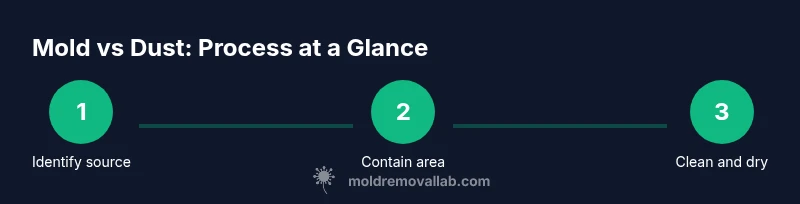
Identify moisture sources
Begin by surveying the area for visible leaks, condensation points, and dampness. Note any areas with persistent moisture and record dates of moisture events. This step establishes the reason mold or dust is present and guides the remediation plan.
Tip: Take photos and mark the moisture source on a drawing of the space to guide repairs. - 2
Gather PPE and materials
Assemble the necessary protective gear and cleaning supplies before starting. Ensure you have a dedicated cleaning area to minimize cross-contamination and a means to dispose of contaminated materials.
Tip: Check PPE fit and seal before entering the affected area to maximize protection. - 3
Contain the area
Seal off the space to prevent spores from spreading to other rooms. Close doors, use plastic sheeting, and set up a simple containment zone with a temporary barrier.
Tip: Work from clean to dirty areas to avoid transporting contaminants. - 4
Clean mold-affected surfaces
Wash non-porous surfaces with a detergent solution and damp cloth. For stubborn spots, use a slightly stronger cleaner, always following product instructions and ensuring good ventilation.
Tip: Avoid dry brushing or dry sweeping, which can disperse spores into the air. - 5
Address dust sources and airflow
Vacuum and dust all accessible surfaces outside the containment zone, using a HEPA-filter vacuum if available. Check and replace HVAC filters where appropriate and consider running air purifiers to improve air quality during drying.
Tip: Replace filters after remediation to prevent recontamination. - 6
Verify results and plan prevention
Reassess the area for residual moisture, muster signs of regrowth, and schedule a follow-up inspection if needed. Implement long-term prevention measures, including moisture control and routine cleaning schedules.
Tip: Set a reminder to re-check moisture sources every few months.
FAQ
What is the difference between mold and dust in a home
Mold is a moisture-driven growth that can affect indoor air quality and health. Dust consists of everyday particles that accumulate on surfaces and respond to cleaning. Properly distinguishing them guides safe cleaning and prevention.
Mold grows where moisture is present and can impact health, while dust is removable with regular cleaning. Understanding this helps you act safely and effectively.
Can I remove mold myself, or should I hire a professional
Small, localized mold on nonporous surfaces can often be cleaned with caution and proper PPE. Larger areas, porous materials, or hidden growth should be handled by a licensed mold remediation professional to ensure containment and air quality.
For larger or hidden mold growth, it’s best to call a professional to avoid exposure and ensure thorough remediation.
Is bleach safe for mold cleanup on all surfaces
Bleach is not always recommended, especially on porous materials where it may not penetrate and could damage the surface. Always follow manufacturer guidelines and local regulations, and prefer EPA-registered mold cleaners when appropriate.
Bleach isn’t always the right choice—use surface-appropriate cleaners and follow safety guidelines.
How can I reduce dust in a home with allergies
Regular cleaning with a damp microfiber cloth, frequent vacuuming with a HEPA filter, and changing air filters can significantly reduce dust exposure. Addressing pet dander and fabric sources also helps.
Clean with damp cloths, vacuum with a HEPA filter, and keep air filters fresh to cut down on dust.
How often should I inspect for mold and moisture
Regular inspection after moisture events—like leaks or heavy rain—helps catch mold early. Schedule a check every few months in high-hert humidity areas and after any water intrusion.
Check moisture sources after leaks or damp events and inspect spaces at regular intervals for early mold signs.
What signs indicate hidden mold growth
Persistent musty odor, unexplained staining, or recurring moisture issues in walls, ceilings, or behind fixtures can signal hidden mold. A professional inspection is recommended if you suspect hidden growth.
If you smell a musty odor or see stains after cleaning, consider a professional assessment for hidden mold.
Watch Video
The Essentials
- Identify moisture as the root cause of mold risk
- Use PPE and containment to prevent spread
- Choose cleaning methods appropriate to surface type
- Implement moisture control and ventilation for prevention
- Consult a pro for large or hidden mold growth