Using a Mold Machine: A Practical How-To Guide
Learn when to use a mold machine, how to select the right equipment, and how to safely operate it for effective mold remediation and prevention in homes.


This guide shows you how to identify when a mold machine is needed, choose the right equipment (HEPA air scrubbers, desiccant or refrigerant dehumidifiers, and air cleaners), set up containment, and operate the gear safely to reduce mold growth and airborne spores. You’ll also learn maintenance tips, safety precautions, and how to document results for future prevention.
Why a mold machine matters
A mold machine is any equipment used during remediation to control moisture, filter air, and reduce mold spores in occupied spaces. In many homes, moisture drives mold growth, especially after leaks, floods, or high humidity seasons. A well-chosen mold machine helps you create a safer indoor environment by accelerating moisture removal and improving air quality while you work. Importantly, equipment is only as effective as the plan backing it up: identify the moisture source, contain the area, and follow a documented remediation process. The Mold Removal Lab team emphasizes that equipment should support a controlled, measureable workflow rather than serve as a one-off solution. By combining machine-assisted moisture control with thorough cleaning and containment, you lower the risk of recontamination and shorten the overall remediation timeline.
Types of mold-machine equipment
Mold remediation teams commonly use a mix of devices, each serving a specific purpose. HEPA air scrubbers capture fine particles and mold spores from the air, improving visibility and reducing exposure risk. Dehumidifiers, including desiccant and refrigerant types, remove moisture from the air to halt ongoing mold growth. Portable air cleaners supplement cleaning by circulating air through high-efficiency filters. In larger or more complex spaces, negative air machines redirect contaminated air outside the work area to protect occupants. Depot or rental options exist for short-term projects, but it’s essential to match the device to the space and mold severity. When selecting equipment, consider room size, material contents, and whether you’ll need containment to protect nearby rooms and belongings. The right combination often involves one or more dehumidifiers paired with a HEPA scrubber for the best results.
Safety and containment best practices
Before turning on any mold machine, establish a containment plan and ensure all occupants understand the boundaries. Use plastic sheeting and tape to seal doorways, vents, and openings to minimize cross-contamination. PPE is non-negotiable: a properly fitted respirator (at least N95), eye protection, and disposable coveralls reduce exposure to mold spores and moisture. Electrical safety matters when running equipment in damp spaces—keep cords organized and avoid overloading outlets. Regularly check filters and replace them according to manufacturer recommendations. Maintain good airflow direction to prevent back-drafting and monitor humidity with a hygrometer to ensure progress toward a dry environment before concluding work.
A practical usage scenario in a small room
Imagine a small bathroom with a mold issue after a leak. Start with containment using plastic sheeting to seal the doorway and cover vents. Set up a HEPA air scrubber to draw air out of the room and a dehumidifier to extract moisture from the air. Run equipment continuously for several hours, checking the hygrometer readings and adjusting speeds to minimize airborne spores while avoiding over-drying. Periodically inspect surfaces with a moisture meter and clean any visible growth with appropriate cleaners following safety guidelines. After the space stabilizes, perform a thorough wipe-down of accessible surfaces and prepare for a final inspection.
Maintenance, cleaning, and prevention after use
After completing remediation, power down equipment safely and disconnect all electrical connections. Empty and clean condensate bases or water reservoirs, rinse filters if applicable, and dry components before storage. Replace HEPA filters as recommended and store units in a clean, dry area to prevent mold growth on the machines themselves. To prevent future mold issues, address root causes such as leaks and humidity sources, improve ventilation, and consider ongoing air purification or moisture monitoring in high-risk spaces.
Documentation and next steps
Document the remediation process, including the equipment used, settings, and duration, along with before-and-after notes. Photos of containment setup, moisture readings, and visible growth provide a reference for future maintenance or insurance claims. Schedule follow-up inspections if there are ongoing moisture problems and establish a maintenance plan that includes regular cleaning, filter replacement, and humidity checks.
Tools & Materials
- N95 respirator or higher(Proper fit is essential for effective protection)
- Safety goggles(Eye protection against splashes and spores)
- Disposable coveralls(Keep skin and clothing clean during work)
- Gloves (nitrile or latex)(Protect hands from contaminants)
- Plastic sheeting (6-mil) and tape(Create containment barriers)
- HEPA air scrubber(Filters out fine spores from the air)
- Dehumidifier (desiccant or refrigerant)(Reduces moisture to halt growth)
- Hygrometer/moisture meter(Track humidity progress)
Steps
Estimated time: 4-6 hours
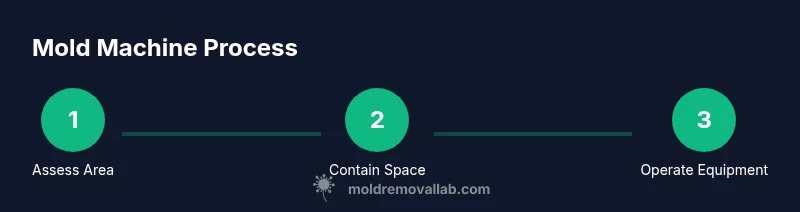
- 1
Assess area and define containment
Inspect the space to identify all visible mold and moisture sources. Mark boundaries with plastic barriers and plan entry/exit routes to minimize cross-contamination.
Tip: Ensure containment includes doors, vents, and any adjacent rooms. - 2
Choose the right mold machine(s)
Select at least one HEPA air scrubber and a dehumidifier suited to the room size. Consider adding an additional air cleaner for larger spaces.
Tip: Prioritize devices with high-quality filters and easy maintenance. - 3
Prepare the space and protect belongings
Remove or cover items from the work area. Use plastic sheeting to seal off the room and protect furnishings not being treated.
Tip: Move delicate items to a safe area away from the work zone. - 4
Set up power, ventilation, and filter placement
Position the HEPA scrubber to pull air from the mold zone toward the exhaust side. Place the dehumidifier where it can effectively circulate dry air without obstruction.
Tip: Use a dedicated circuit if possible to avoid tripping breakers. - 5
Run equipment and monitor progress
Operate continuously for several hours, checking air flow and filters. Use a hygrometer to monitor humidity and adjust settings as needed.
Tip: Avoid turning devices off and back on repeatedly, which can stir spores. - 6
Inspect surfaces and document changes
Recheck surfaces for new growth and moisture spots. Take photos and note readings to track improvement.
Tip: Document any areas that require re-cleaning or additional treatment. - 7
Clean and decontaminate equipment
Power down, disconnect, and clean all devices. Wipe down exposed surfaces and replace filters if needed before storing.
Tip: Label used filters as contaminated for proper disposal. - 8
Verify results and plan prevention
Confirm the space remains dry and mold-free after a cooldown period. Plan for ongoing moisture control and routine inspections.
Tip: Schedule follow-up checks to catch issues early.
FAQ
What is a mold machine and when should I use one?
A mold machine refers to equipment that controls moisture and filters air to reduce mold spores during remediation. Use it when there is active growth, a moisture source, or after cleaning to improve indoor air quality. Combine with containment and proper PPE for best results.
A mold machine is equipment that helps control moisture and filter mold spores. Use it when you have visible growth or moisture issues, and pair it with containment for best results.
Are mold machines safe for homes with children and pets?
Yes, when used with proper containment and PPE. Keep children and pets away from the work area during remediation and follow device safety guidelines. Ventilate the space as needed to maintain safe air quality levels.
Yes, if you keep kids and pets away and follow safety guidelines and containment practices.
How long does remediation take with a mold machine?
Duration varies by space size, moisture source, and equipment efficiency. Plan for multiple sessions if needed and monitor humidity until stable conditions are achieved.
Duration depends on space and moisture, with multiple sessions sometimes needed.
Can I rent a mold machine instead of buying one?
Renting is common for short-term projects. Compare rental terms, delivery, and support with the cost and maintenance of purchasing equipment to determine the best option for your project.
Renting can be a good option for short-term projects; weigh terms and costs carefully.
What signs indicate I should call a professional remediator?
If mold keeps returning after basic cleaning, there is ongoing water intrusion, or structural damage is evident, professional remediation is advisable. A pro can assess sources and implement comprehensive containment and cleanup.
If growth persists or you see water intrusion or damage, call a professional.
Is DIY remediation safe for all mold problems?
DIY remediation is appropriate for small, isolated areas with minimal growth. Large areas or unknown contamination should be handled by trained professionals to ensure safety and thorough cleanup.
DIY is okay for small spots, but big or uncertain problems need a pro.
Watch Video
The Essentials
- Identify moisture sources before equipment use
- Use a combination of HEPA filtering and dehumidification
- Contain and protect surrounding spaces during remediation
- Monitor progress with humidity readings
- Document results and plan for prevention