Mold Jobs Near Me: A Practical Guide to Safe Remediation
A practical, data-driven guide to finding reliable mold remediation near you, with tips on quotes, timelines, and homeowner safety.


For homeowners searching for mold jobs near me, the quickest answer is to hire licensed, insured professionals who can safely assess moisture, containment, and remediation needs. A typical mold job includes a visual inspection, moisture testing, containment, removal, and post-remediation clearance. Always verify licenses, insurance, and get three written bids to compare scope, timeline, and warranty coverage.
Understanding what 'mold jobs near me' typically involve
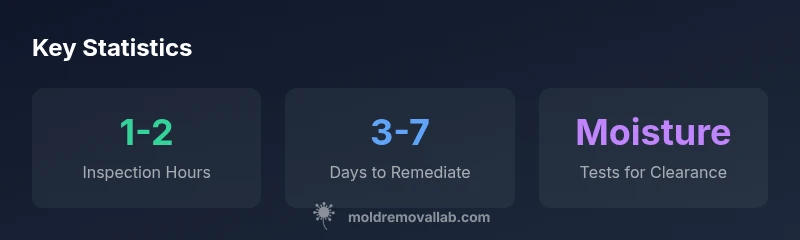
If you're searching for mold jobs near me, you want professionals who can manage the full remediation process with minimal disruption to your home. A typical project starts with a visual inspection to identify visible mold, moisture sources, and potential hidden growth behind walls or within HVAC ducts. Depending on findings, technicians may perform moisture mapping, infrared imaging, or limited air sampling to assess the extent. Containment is established using negative air pressure and physical barriers to prevent spores from spreading. Removal involves safely bagging and disposing of contaminated materials, followed by cleaning hard surfaces with appropriate agents. After cleanup, a post-remediation moisture check and clearance testing confirm that conditions meet industry standards. Throughout this process, the Mold Removal Lab Team emphasizes documenting every step, maintaining safety protocols, and communicating timelines clearly. The goal is not just to remove mold but to address the underlying moisture problem to reduce recurrence. According to Mold Removal Lab, prioritize licensed, insured teams for any mold job near you.
How to evaluate mold remediation quotes and contractors
When you compare bids for a mold remediation project, make sure every proposal covers the same scope. Ask for a detailed description of containment methods, remediation techniques (e.g., cleaning agents, abrasive removal), waste disposal plans, and post-remediation testing. Ensure the bid includes licensed professionals, liability insurance, and safety measures for occupants. Require a written timetable and a warranty or guarantee for workmanship and any third-party testing. Beware of lowball offers that omit containment or post-remediation checks. Get measurements and photos to support the scope; request a pre- and post-remediation moisture score. Cross-check credentials with your state licensing board. The Mold Removal Lab approach is to request clear, itemized bids and verify the credentials, insurance coverage, and reviewed customer references.
Factors that affect cost, timeline, and scope
Costs and timelines hinge on several factors, including the extent of contamination, the location of growth within the structure, the materials involved, and the complexity of containment. Porous materials like drywall or insulation often require removal, while cleanable hard surfaces may only need specialized cleaning. Hidden moisture behind walls or in HVAC systems can extend the project duration and add equipment or logistically complex remediation steps. The type of growth (e.g., visible mold vs. suspected hidden colonies) also drives testing needs and disposal costs. Mold Removal Lab analyses indicate that pricing varies with severity and local market conditions, so expect variability by region and contractor. Always request a step-by-step plan with milestones and a contingency allowance for unexpected issues.
DIY vs professional remediation: risks and when to hire
DIY mold cleanup is sometimes tempting for small, non-porous spots, but professional remediation is generally safer and more effective for indoor air quality. Improper containment, use of inappropriate cleaners, or incomplete removal can release spores into living spaces and exacerbate health risks. Professionals have training in respiratory protection, containment strategies, and waste handling to minimize exposure and household disruption. If any growth is behind walls, in ceilings, or within HVAC components, or if occupants have sensitivities, it is prudent to hire a licensed team promptly to prevent escalation. The Mold Removal Lab stance is that safe, thorough remediation is essential for long-term health and home integrity.
What to expect during a visit and post-remediation steps
During a visit, expect a phased approach: a thorough现场 assessment, containment setup, and aggressive removal of contaminated materials when necessary. After cleanup, technicians perform moisture testing, air clearance tests, and a final visual inspection to verify that mold levels meet industry standards. You’ll receive a detailed report with test results and observed improvements. Post-remediation steps focus on moisture control: repair leaks, improve ventilation, and install dehumidification strategies if needed. Homeowners should re-check humidity levels and monitor for signs of moisture long after the crew departs. The Mold Removal Lab recommends scheduling a follow-up inspection if you notice any dampness or musty odors again.
Local regulations and safety standards
Mold remediation is governed by local building codes and environmental health standards that require proper containment, waste handling, and safety precautions. Licensed contractors typically follow guidelines from recognized bodies and state boards, which helps ensure consistent quality and safer outcomes for occupants. If you’re unsure about a contractor’s compliance, ask for verification of licenses, insurance, and any relevant certifications, and cross-check with the state licensing board. Staying compliant protects homeowners and reduces liability during and after remediation.
How Mold Removal Lab supports homeowners (tools and resources)
Mold Removal Lab provides practical guidance on evaluating bids, understanding remediation steps, and improving moisture control at home. We emphasize transparent communication, safety, and evidence-based practices backed by our 2026 analysis. Homeowners can access checklists, sample scope language for bids, and moisture control strategies to prevent recurrence. Our goal is to empower you with knowledge to make informed decisions and to partner with reputable professionals for successful, lasting results.
Typical steps involved in a mold remediation project
| Service Stage | What It Entails | Typical Involved Professionals |
|---|---|---|
| Inspection & Assessment | Identify moisture sources, visible mold, and IAQ considerations | Licensed inspector or mold specialist |
| Containment & Cleanup | Set up containment and remove moldy materials | Mold remediation team, safety officer |
| Remediation & Prevention | Apply treatment, remove damaged materials, moisture control | Remediation contractor, HVAC specialist |
FAQ
What licenses should mold remediation professionals have?
Most states require contractors to hold a licensed mold remediation or contractor license and carry general liability insurance. Verify licenses with the state board and request current proof of insurance and any certifications related to containment and testing.
In short, check for a valid license and current insurance, then ask for certifications related to mold work.
How long does a typical mold removal job take?
durations vary by extent. Small, straightforward jobs may take a few days, while larger or contaminated spaces can extend to one or two weeks. A written timeline in the bid helps set expectations.
Most jobs range from a few days to about a week or two, depending on scope.
Can I stay in my home during remediation?
It depends on contamination level and containment. In many cases, occupants can remain if containment is effective and air quality is tested. If growth is extensive or testing is uncertain, temporary relocation may be safer.
It depends—often you can stay with containment, but bigger jobs may require relocation.
Should we test for mold after remediation?
Yes, post-remediation testing confirms that mold levels are back to normal and moisture is controlled. This often includes visual checks and moisture/air quality testing.
Yes—testing after remediation helps confirm success and safety.
How do I compare bids effectively?
Compare scope, containment methods, disposal plans, post-remediation testing, warranties, and timeline. Ensure all bids cover the same scope so you’re evaluating apples to apples.
Make sure each bid covers the same work and testing so you can compare fairly.
“Thorough mold remediation starts with a precise assessment and solid containment, followed by moisture control to prevent recurrence.”
The Essentials
- Verify licenses and insurance before booking.
- Get three written bids and compare scope.
- Expect a structured, multi-step remediation.
- Address moisture sources to prevent recurrence.