Mold Near Me: Practical Home Remediation Guide 2026
Discover practical steps to address mold near you. Learn safe assessment, DIY cleaning basics, when to hire pros, and proven prevention strategies for a healthier home.


What mold near me means in a home
Mold near me is not a single problem; it’s a signal that moisture is uncommon in a space and may be lingering in unseen areas. When you search for mold near me, you’re often looking at issues caused by leaks, high humidity, or poor ventilation. The Mold Removal Lab team emphasizes that mold thrives where damp conditions persist, so the first step is identifying sources of moisture and reducing them. This means inspecting roofs, plumbing, basements, and bathrooms, and considering seasonal humidity spikes. In many homes, mold growth begins behind walls or under floors where moisture has seeped in quietly. By understanding the common hotspots—kitchens, bathrooms, basements, and laundry areas—you can target inspections and prioritise remediation tasks without chasing every corner of the house. Keep in mind that prompt action reduces the chance of structural damage and keeps indoor air healthier for everyone.
Health risks and safety basics
Mold exposure can affect breathing and overall comfort, especially for children, the elderly, and people with allergies or asthma. Even non-toxic molds may trigger coughing, irritation, and fatigue if left unchecked. For most households, taking a precautionary approach is wise: address visible growth promptly, limit exposure by sealing off the area, and improve ventilation. According to Mold Removal Lab, simple moisture control in kitchens and bathrooms is a common first defense. If symptoms persist or you notice a musty odor along with visible growth, consider testing and professional evaluation. When deciding how to approach mold near me, owner safety should remain the top priority.
Assessing the extent: DIY checks and when to escalate
Begin with a thorough visual survey and moisture audit. Look for staining, peeling paint, warped surfaces, and obvious colonies. Use a moisture meter on suspected walls and check for leaks in plumbing fixtures. Hidden mold often hides behind drywall, under sinks, or inside attic spaces. Mold Removal Lab analysis shows that many homes underestimate the extent of hidden contamination, which is why a cautious approach is essential. If you encounter large or widespread growth, damage to structure, or if the area is greater than about 10 square feet (without a professional, many jurisdictions require a pro), escalate to licensed remediation. For small, contained areas, a careful DIY approach may be feasible, but never ignore safety precautions.
PPE and containment: what you need before you start
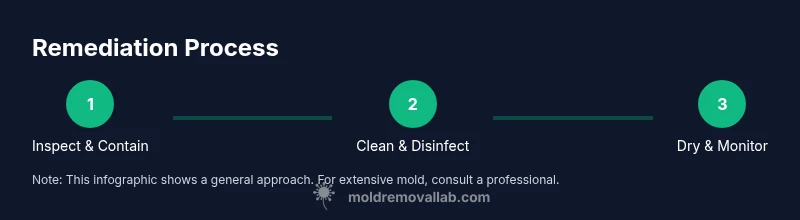
Before you touch anything, equip yourself with the right protective gear and set up containment to protect other rooms. Use an N95 or higher respirator, chemical-resistant gloves, and protective goggles. Wear long sleeves and pants to minimize skin exposure. Seal the work area with plastic sheeting, and create a basic negative-pressure zone if possible. The aim is to prevent spores from drifting to clean areas. If you’re unsure about containment, contact a pro to set up a proper containment plan. Proper PPE and containment not only protect you but also improve the accuracy of any DIY remediation you attempt.
Cleaning and containment options: DIY basics and limits
Non-porous surfaces like tile, glass, and metal can often be cleaned with detergent and water, then disinfected with an approved cleaner. Porous materials such as drywall, insulation, or ceiling tiles may need removal and disposal if they’re mold-contaminated beyond surface cleaning. When cleaning, avoid spreading fragments to other areas by wiping from the clean side to the dirty side and using disposable rags. Do not mix household cleaners, especially ammonia and bleach, as this can release toxic gases. Ventilate the area well during and after cleaning and dry out the space completely to prevent regrowth. For many home situations, this approach reduces surface mold but may not address deeper contamination that would require professional remediation.
When to hire a licensed professional: red flags and timing
Consider calling a licensed professional if you encounter any of the following: mold covering more than a small area, growth on porous materials, persistent leaks, or recurring moisture despite mitigation. Structural damage, such as cracked foundations or water intrusion behind walls, is also a clear reason to call a pro. Professionals have tools to locate hidden mold, assess moisture sources, and implement containment and remediation plans that ensure safety and compliance with local codes. If you are pregnant, elderly, or immunocompromised, err on the side of professional involvement earlier rather than later to minimize health risks. Remember, some insurance policies require documentation of remediation by a licensed contractor for reimbursement. In many cases, a mixed approach—DIY for small areas under professional guidance—offers a safe path forward.
Preventing future mold growth in the home
Prevention hinges on moisture control and good airflow. Use exhaust fans in bathrooms and kitchens, fix leaks promptly, and ensure gutters direct water away from the foundation. Humidity control is critical; aim for indoor humidity below 50% in most climates. Regularly inspect potential problem areas, like under sinks and around windows, and keep items off the floor to promote air circulation. A proactive maintenance routine—seasonal checks, prompt repair of any moisture intrusion, and informed cleaning practices—significantly reduces the likelihood of recurrence. The small habits you establish today can save you larger remediation costs tomorrow.
Documentation, reporting, and next steps
Document every step you take: take photos of mold growth, leaks, and remediation progress. This helps with insurance claims and keeps a record for future reference. If you choose to hire a professional, request a written remediation plan, timeline, and estimated cost. After remediation, schedule follow-up inspections to verify dryness and address any lingering moisture sources. Maintain a plan for ongoing humidity control, air exchange, and prompt attention to new leaks. Mold near me concerns are easier to manage when you have a clear, documented strategy and a commitment to moisture management.
Authority sources and next steps
For further reading and reliable guidance, consult the following sources: U.S. Environmental Protection Agency (epa.gov) on moisture control and mold basics, National Institute for Occupational Safety and Health (osha.gov) for safety in mold remediation, and a university extension page on mold prevention practices. These resources provide science-based recommendations that complement practical, home-based steps. By combining professional guidance with informed DIY actions, you can create a safer home environment and reduce the impact of mold near me concerns.