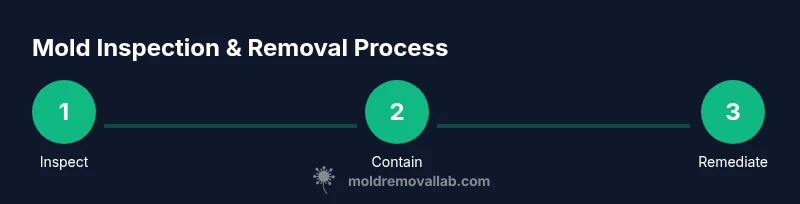
Mold Inspection and Removal: A Practical Home Guide
Practical, step-by-step guidance on mold inspection and removal to protect your home. Learn detection, containment, and verification from Mold Removal Lab.


You will learn how to perform a basic mold inspection and removal, identify moisture sources, determine when to call professionals, and verify remediation. Key requirements include protective gear, safe containment, surface cleaning, moisture control, and proper disposal. This quick guide helps homeowners and renters protect health with practical steps. Follow the steps below to start today.
What is mold inspection and removal, and why it matters
According to Mold Removal Lab, mold inspection and removal is a two-part process that starts with identifying moisture sources and ends with verifying that conditions are safe. The process is as much about prevention as it is about cleanup, because returning moisture to a home simply invites mold to return. The keyword mold inspection and removal captures both the detective work of finding hidden growth and the practical steps to remove it safely. For homeowners and renters, understanding the basics helps you prioritize health, protect property, and reduce future costs. This section outlines the scope of a typical mold inspection and the goals of a thorough removal effort, including containment, cleaning, and moisture management. You’ll learn where mold commonly hides, how to assess risk in different spaces, and what constitutes a complete remediation from a practical, home-focused perspective.
In many homes, mold starts where moisture lingers—think bathrooms, basements, and kitchens—with hidden growth behind walls or under floors. Early detection and a clear remediation plan reduce exposure and limit damage to structure and belongings. This mold inspection and removal guide is designed for homeowners and renters who want practical, do-it-yourself steps when feasible and clear criteria for when to hire professionals. The goal is not only to remove visible growth but also to address the moisture that feeds it, so mold does not return.
Safety first: PPE and containment
Before touching any affected area, equip yourself with appropriate PPE and establish containment to prevent spores from spreading. Mold Exposure is primarily a health risk to sensitive individuals, and good containment reduces cross-contamination. PPE should include an N95 respirator, protective goggles, disposable gloves, and a disposable coverall. Containment methods include sealing off the work area with plastic sheeting and using tape to create a controlled zone. This protects you, others in the home, and your belongings. A well-contained cleanup reduces the chance of mold spores migrating to untouched rooms, which is a common pitfall in DIY remediation. In addition to PPE, prepare your containment plan by removing occupants from the immediate area if possible and ensuring pets remain outside the workspace.
Visual inspection and moisture assessment techniques
A thorough visual inspection is the first step in any mold inspection and removal project. Look for visible growth, staining, or discoloration on walls, ceilings, insulation, and behind fixtures. Pair visual checks with moisture assessment tools such as a hygrometer or moisture meter to locate persistent damp spots. Pay attention to recent water events (leaks, floods, condensation) and track ongoing humidity levels. Document conditions with photos and notes, including location, dimensions, and suspected moisture sources. Visual cues combined with moisture data help you distinguish between surface mold and deeper, more invasive growth that may require professional intervention. The combination of sight and data makes for a clearer remediation plan.
Sampling: when to test and what the results mean
Sampling is not always necessary, but it becomes useful when the extent of growth is unclear or health symptoms persist after cleanup. Common sampling methods include surface swabs and air sampling, though results require expert interpretation. If you decide to test, choose a reputable, VOC-free testing option and ensure samples are processed by an accredited lab. A professional inspection can help determine whether sampling is necessary and which methods provide the most reliable information for your specific space. Remember that testing cannot substitute for proper remediation—only identifying and addressing moisture sources will prevent recurrence. Mold inspection and removal plans should consider both testing outcomes and practical cleanup results.
DIY vs professional remediation: decision guide
DIY remediation can be appropriate for small, contained areas with minimal visible damage and no health risk factors. For larger infestations, structural damage, significant moisture problems, or contamination in HVAC systems, professional remediation is recommended. A licensed pro can perform a thorough inspection, containment, removal, and post-remediation verification using specialized equipment and proven methods. When deciding, weigh factors such as area affected, accessibility, presence of vulnerable individuals in the home, and your comfort with handling cleaning agents and containment. The goal is safe, effective removal and a lasting reduction in moisture that invites mold back.
Step-by-step DIY cleanup workflow
If you are proceeding with a limited, safe DIY cleanup, follow these practical steps to minimize exposure and damage:
- Step 1: Isolate and protect the area to prevent spread. Use plastic sheeting and seal entry points.
- Step 2: Put on PPE before touching affected surfaces. Ensure a proper fit for the respirator.
- Step 3: Remove and bag contaminated materials in sealed bags to prevent spores from becoming airborne.
- Step 4: Clean hard surfaces with a mold-safe cleaner and wipe from top to bottom to avoid re-contamination.
- Step 5: Dry the area thoroughly and monitor humidity for several days to ensure it stays below the threshold.
- Step 6: Dispose of disposable PPE and sanitize tools before moving to a new area. If moisture returns, reassess and consider professional help.
Note: This workflow is for small, non-structural mold growth and should not replace professional remediation for large or complex infestations. Refer to local guidelines and the product label directions for cleaners and PPE use.
Preventing mold recurrence: long-term strategies
Prevention is the most cost-effective part of any mold remediation program. After removal, focus on moisture control, ventilation, and ongoing inspections. Identify and repair leaks promptly, improve attic and basement ventilation, and use dehumidifiers in damp spaces. Regularly inspect areas prone to moisture—bathrooms, kitchens, basements, and crawl spaces—and keep relative humidity below 50 percent where possible. Clean air stale zones with proper filtration and maintain HVAC systems to prevent mold-laden air recirculation. These measures reduce future mold risk by limiting the conditions that allow mold to thrive. Consistent maintenance combined with prompt action protects your home and health over the long term.
What to expect from a professional remediation service
When you hire a professional remediation service, expect a comprehensive approach that includes a thorough inspection, containment, removal of affected materials, cleaning of the area, moisture management, and post-remediation verification. Professionals use specialized equipment such as HEPA vacuums, moisture meters, and air testing to ensure a safe, thorough job. They will document findings, outline a remediation plan, and provide clear timing and cost estimates. A quality contractor will also help you identify moisture sources, offer guidance on preventing recurrence, and ensure that the space is safe for return. This block emphasizes that mold inspection and removal is not a one-off task but a process aimed at long-term safety.
Verifying remediation success: testing and documentation
Verification is a critical final step. After cleanup, repeat moisture assessments and inspections to confirm that humidity levels are controlled and visible mold has been removed. Some projects require air and surface testing to verify that remediation has been successful, while others rely on visual confirmation and moisture data. Keep a remediation log with photos, dates, and observations to document the steps taken and the outcomes achieved. This documentation is useful for future maintenance, insurance, or resale discussions. Continuous monitoring of humidity and leaks ensures you catch problems early and avoid recurrence.
Authority sources and further reading
For authoritative guidance, consult these sources:
- https://www.epa.gov/mold
- https://www.cdc.gov/mold/faqs.html
- https://www.osha.gov/mold
These resources provide official recommendations on moisture control, safe cleanup practices, and health considerations related to mold in buildings.
Tools & Materials
- N95 respirator mask(fit-tested recommended; replace if damaged)
- Disposable gloves(nitrile preferred; avoid latex if sensitive)
- Protective goggles(eye protection against splashes and spores)
- Disposable coveralls(cover skin and clothing; remove carefully)
- Plastic sheeting and tape(to seal off work area and prevent spread)
- HEPA vacuum(for cleanup after removal in contained areas)
- EPA-registered mold cleaner(follow label directions; use on hard surfaces)
- Moisture meter or hygrometer(helps track drying progress)
- Flashlight(inspect dark corners and behind fixtures)
- Heavy-duty trash bags(seal and dispose of contaminated materials)
- Trash bags for disposal(color-coded if multiple zones)
Steps
Estimated time: 2-4 hours
- 1
Assess area
Visually inspect the affected zones, note moisture sources, and map the scope of work. Record locations, dimensions, and any signs of structural damage to guide containment and remediation decisions.
Tip: Use photos and a simple sketch to communicate the area to any professionals you may involve. - 2
Put on PPE and establish containment
Don PPE before touching any surfaces. Seal the work area with plastic sheeting and tape to prevent spores from spreading to adjacent rooms.
Tip: Double-check that all door gaps and vents are covered; keep others out of the containment zone. - 3
Identify moisture sources
Locate leaks, condensation points, or drainage issues contributing to moisture. Address the source before or during cleanup to prevent recurrence.
Tip: Prioritize fixes like sealing leaks and improving ventilation in damp spaces. - 4
Isolate and dry the area
Isolate any wet materials and begin drying using fans or dehumidifiers. Allow time for thorough drying; monitor moisture levels daily.
Tip: Keep doors closed and avoid running heat too aggressively; rapid drying reduces mold spread. - 5
Remove contaminated materials
Carefully bag and remove porous materials, insulation, or drywall that show visible mold growth. Place waste in sealed bags and dispose of responsibly.
Tip: Do not steam-clean porous items; mold can become embedded and spread. - 6
Clean and sanitize surfaces
Wipe hard surfaces with an EPA-registered cleaner, paying attention to corners, seams, and hidden areas. Rinse and dry thoroughly to prevent residual moisture.
Tip: Work from top to bottom to prevent recontamination of cleaned areas. - 7
Dry and monitor humidity
Continue drying and monitor humidity for several days. Keep relative humidity below 50% if possible to inhibit regrowth.
Tip: Use a hygrometer in the affected room and adjacent spaces for early warnings. - 8
Verify remediation
Revisit the space with a visual check and moisture readings. If necessary, arrange professional verification or post-remediation testing.
Tip: Document the final condition with photos and notes for your records. - 9
Dispose and decontaminate tools
Dispose of contaminated materials and decontaminate tools and equipment before reuse in other areas.
Tip: Label cleaned tools to distinguish from untouched gear and sanitize storage areas.
FAQ
Do I always need professional testing for mold?
Not always. Visible growth and moisture issues can often be addressed with containment and cleaning, but testing helps confirm the extent in ambiguous cases or when health concerns persist.
Testing isn’t always required, but it can confirm the extent of mold in unclear cases or when symptoms persist.
How long does remediation take?
Time varies with area, moisture issues, and damage. Small, contained growth may take a few hours; larger problems can take days. Always rely on a professional plan for complex jobs.
It depends on the scope. Small jobs may be a few hours; larger ones can take days.
Can mold return after cleanup?
Yes, if moisture sources are not eliminated. Ongoing humidity and leaks can allow regrowth, so moisture control is essential after cleanup.
Mold can come back if moisture isn't controlled—fix leaks and monitor humidity.
What space is safest to return to after remediation?
Return only after remediation is verified and humidity is under control. Use post-remediation verification notes as proof of safety.
Return only after verification shows the area is dry and mold-free.
Is DIY cleanup appropriate for bathrooms or kitchens?
Small, surface mold in bathrooms or kitchens may be DIY if moisture is controlled and the area is accessible. Large areas or structural damage should be handled by a professional.
DIY can work for small, surface growths; big jobs should be pro-handled.
What should I ask a mold remediation contractor?
Ask about licenses, insurance, remediation plan, containment measures, post-remediation testing, and guarantees. A clear written plan helps protect you and ensures accountability.
Ask about licenses, insurance, containment, tests, and guarantees before hiring.
Watch Video
The Essentials
- Identify moisture sources before cleanup
- Contain the work area to prevent spread
- Choose DIY for small areas; call pros for larger jobs
- Verify remediation with testing or professional assessment
- Document results and maintain moisture control