Mold cleaner: Safe and effective mold removal guide for homeowners
A practical, step-by-step guide to choosing and using a mold cleaner safely, removing mold, and preventing recurrence in home environments. DIY-friendly with safety tips and when to call a pro.


Clean mold effectively using a dedicated mold cleaner by following a clear, safety-first process. This guide covers product selection, surface compatibility, ventilation, and a step-by-step workflow you can apply to walls, bathrooms, and basements. By using proper protective gear and drying thoroughly, you reduce recurrence. This quick answer sets expectations: safety, effectiveness, and post-cleanup steps matter.
What is a mold cleaner and when to use it?
A mold cleaner is a product designed to remove visible mold growth and inhibit future regrowth on non-porous and some porous surfaces. It’s the first line of defense in many home remediation tasks, especially in bathrooms, basements, kitchens, and laundry areas where humidity encourages mold. According to Mold Removal Lab, choosing a product that matches the surface you’re treating and following label directions is critical for both safety and effectiveness. The mold cleaner you select should specify compatible surfaces (e.g., tile, glass, painted walls, or sealed wood) and indicate whether it can be used on porous materials like drywall. Always identify the mold issue early and treat the source of moisture alongside cleaning. While cleaner choice matters, your technique and protective measures matter even more for long-term results.
For homeowners and renters, the goal is to remove present mold and reduce the chance of recurrence by controlling moisture, improving ventilation, and drying surfaces thoroughly after cleaning. A well-chosen mold cleaner paired with good airflow and a thorough drying plan will yield better outcomes than rushing through the job. Remember, safety comes first: wear PPE, ventilate the space, and keep pets and kids away during cleanup.
How mold cleaners work: chemistry and mechanisms
Mold cleaners act through a range of mechanisms depending on the formula. Common active ingredients include oxidizers (like hydrogen peroxide), quaternary ammonium compounds (quats), and surfactants that break the bond between mold and surfaces. Some cleaners also incorporate enzymes or surfactants to help lift spores from textures. The goal is not only to kill visible growth but to reduce reattachment and make the surface easier to dry fully. Enzymatic cleaners can be useful on organic materials, while oxidizers are often effective on non-porous surfaces. It’s important to read labels to confirm surface compatibility and to learn how long the product should remain on the area before scrubbing and rinsing.
Mold Removal Lab’s analysis emphasizes selecting a product with clear directions for your specific surface and environmental conditions. Avoid mixing products unless the label explicitly states it’s safe, as combining cleaners can release toxic fumes. A well-understood product, used correctly, makes the difference between a one-off cleanup and a lasting improvement in indoor air quality.
Types of mold cleaners: consumer products, DIY options, and special cases
You’ll see a range of options when shopping for a mold cleaner. Consumer-grade products typically rely on oxidizers (hydrogen peroxide, sodium hypochlorite in some cleaners), quats, or combined formulas designed for household surfaces. For DIY enthusiasts, solutions like a mild detergent with water, or a specialized cleaner you mix at home, can work for light growth on non-porous surfaces. Special cases—such as mold in wood, drywall, or fabric—may call for materials with stain-removing properties or products designed for porous substrates. When treating fabrics or upholstery, consider the material’s cleaning instructions or consult a professional if the item is valuable or delicate.
Mold Removal Lab recommends following surface-specific guidance to avoid damage: seal off adjacent areas, avoid oversaturating porous materials, and test a hidden area first. In bathrooms and basements where humidity runs high, you may need a more robust or reformulated product designed for damp environments.
Choosing between a ready-to-use spray and a concentrate depends on the scope of the problem: for small patches, a spray may suffice; for larger areas, a concentrate with proper dilution can be more economical and effective. Always keep a written record of the product used for future maintenance.
Safety and ventilation: protecting your health during cleaning
Mold cleanup emits spores that can become airborne, so good ventilation is essential. Open windows if possible and use exhaust fans to create directional airflow that moves contaminants away from living spaces. Wear a properly rated respirator (N95 or P100, depending on the level of exposure) along with chemical-resistant gloves and safety goggles. If you have allergies, asthma, or a mold sensitivity, consider staying out of the treated area until it’s completely dry and airing out the space has reduced airborne spores. Never mix cleaning products with bleach or ammonia, as this can create dangerous gases.
The Mold Removal Lab team emphasizes documenting safety steps and taking breaks as needed to avoid fatigue. Keeping children and pets away during cleaning helps minimize exposure. After finishing, remove PPE carefully to avoid transferring contaminants, and wash exposed skin with soap and water.
Surfaces and compatible products: wood, drywall, tile, fabric
Not all mold cleaners suit every surface. Non-porous materials like ceramic tile and glass usually tolerate harsher cleaners, while painted or varnished wood should be treated with milder formulas to prevent bubbling or discoloration. Porous substrates (unsealed drywall, untreated wood, fabric) may harbor hidden mold and require specialized cleaners or even replacement in severe cases. Always test a small, inconspicuous area first and allow it to dry to observe any adverse reactions.
For fabrics and upholstery, use cleaners that are labeled safe for textiles, or consider professional cleaning for items with value or sentimental significance. On metal surfaces, avoid acidic cleaners that can corrode. For cement and concrete, stronger oxidizers might be appropriate, but ensure you’re adhering to indoor air quality guidelines and using appropriate PPE.
Step-by-step guide to cleaning a moldy area
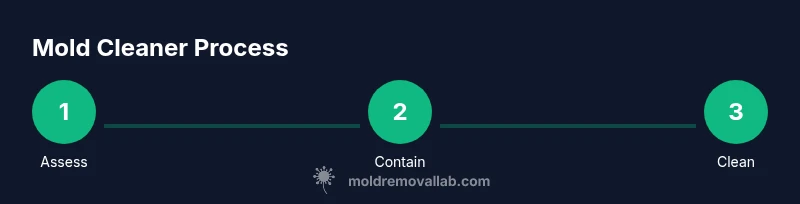
Start with a quick assessment of the affected area, identify moisture sources, and plan containment to avoid spreading spores. Prep the space with plastic sheeting and tape to protect adjacent rooms. Apply the mold cleaner according to the label, covering all visible growth. Let it dwell for the recommended contact time, then scrub with a non-scratch brush or sponge, rinse if required, and dry thoroughly with fans or a dehumidifier. Repeat if necessary for stubborn spots, and monitor for regrowth over the next days.
Post-cleanup, document the work, dispose of contaminated materials properly, and recheck humidity levels. Patience matters: thorough drying prevents regrowth better than a fast, incomplete cleanup. The Mold Removal Lab team highlights the importance of moisture control and ongoing monitoring as part of a complete remediation plan.
DIY vs professional remediation: cost, effectiveness, and risk
DIY cleaning with a mold cleaner is often appropriate for small, easily accessible areas and light growth. It’s cost-effective and gives homeowners control over the process. However, more extensive mold issues—especially behind walls, under floors, or in ventilation systems—can require professional remediation to ensure complete removal and to address moisture sources. A pro-led approach often includes mold testing, containment, specialized equipment, and a more thorough assessment of the environment. Cost and time can vary based on size, location, and the extent of contamination. The Mold Removal Lab team advises weighing the risks and benefits of DIY against professional services, especially when respiratory risk or structural damage is involved.
Before hiring a pro, ask about licensing, experience with your substrate, and whether they provide a moisture management plan to prevent recurrence. Clear communication about scope and expected completion times helps avoid surprises.
Maintenance and prevention after cleaning
Prevention is the best defense. After cleaning, reduce humidity with dehumidifiers, improve ventilation, fix leaks promptly, and conduct regular inspections of potential moisture sources. Consider using moisture sensors or hygrometers to monitor humidity levels, especially in basements and crawl spaces. Maintain clean surfaces by incorporating routine cleaning schedules for high-risk areas like bathrooms and kitchens. Periodic re-cleaning of suspected problem spots, combined with moisture control measures, greatly reduces the chance of mold returning.
Keep air moving with adequate ventilation, especially after showers and cooking, and use exhaust fans designed to handle moisture loads. Keeping a maintenance log helps track humidity readings and any signs of renewed growth. The goal is to create an environment where mold cannot easily establish itself, supported by consistent cleaning and moisture control.
Common mistakes that waste time and money
One common mistake is oversaturating surfaces with mold cleaner, which can prolong drying time and damage materials. Another is skipping a moisture source; even the best cleaner cannot fix a persistent leak or high humidity issue. Using bleach on porous materials can sometimes worsen damage or create a misleading perception of cleanliness. Failing to wear proper PPE or to ventilate adequately increases health risks. Finally, attempting to clean large mold colonies without containment can spread spores to other rooms. The best practice is to address moisture, contain the area, and follow label directions precisely.
How to evaluate results and decide on follow-up actions
After cleaning, recheck the treated area for visible growth and lingering odors. If mold returns within a few days to weeks, reassess moisture sources and consider a more thorough remediation. Use moisture meters to confirm relative humidity targets and ensure you’ve achieved proper drying. If contamination persists behind walls, under flooring, or in HVAC components, professional assessment is recommended. Documentation of products used, dates, and outcomes can help guide future maintenance plans. The goal is to maintain a dry, well-ventilated environment to discourage mold growth over time.
Tools & Materials
- Mold cleaner product(Choose a product labeled for the surface you’re treating)
- Spray bottle(For even application and avoiding overspray)
- Scrub brush (non-scratch)(Use on non-porous surfaces to lift growth)
- Microfiber cloths (lint-free)(For wiping and drying without leaving fibers)
- Sponge or scouring pad(Gentle abrasion for stubborn spots)
- Protective gloves (nitrile)(Chemical-resistant, don before cleaning)
- Safety goggles(Protect eyes from splashes and spores)
- Respirator (N95 or P100)(Respirator recommended for mold work)
- Plastic sheeting/drop cloths(Contain area and protect surroundings)
- Painter’s tape(Seal edges of plastic sheeting)
- Bucket(Rinse tools if needed)
- Mild detergent(For light soil before mold cleaning)
- Dehumidifier or fan(Accelerate drying after cleaning)
- Trash bags(Seal contaminated materials for disposal)
Steps
Estimated time: 2-6 hours
- 1
Assess and contain the area
Walk through the affected space, identify moisture sources, and set up containment with plastic sheeting to prevent spore spread. Close doors, seal vents if needed, and instruct others to avoid the area during cleanup.
Tip: Use painter’s tape to secure plastic sheeting and keep the workspace dry during assessment. - 2
Ventilate safely and prepare PPE
Open windows if possible and run a vent fan to create airflow away from occupied spaces. Put on nitrile gloves, goggles, and a respirator rated for particulates. Ensure everyone understands safety steps before beginning.
Tip: Always perform a quick PPE check before handling any cleaner. - 3
Pre-clean loose material
If loose spores can be brushed away safely, lightly remove with a dry cloth or brush, avoiding aggressive disturbance. Place removed material into a sealable bag for disposal.
Tip: Do not dry-sweep; it can stir up more spores. - 4
Apply mold cleaner to affected area
Spray the cleaner evenly over the moldy surface, following label dwell time. Do not saturate porous substrates beyond what the product recommends.
Tip: Start at the outer edge and work inward to prevent spreading. - 5
Scrub and agitate
Gently scrub with a non-scratch brush or sponge to loosen the mold. For textured surfaces, use a circular motion to lift growth. Avoid aggressive scrubbing that can damage the substrate.
Tip: Use a microfiber cloth to pick up loosened material as you scrub. - 6
Rinse or wipe away residue
If the cleaner requires rinsing, use clean water and a cloth. For water-free products, wipe thoroughly with a damp cloth to remove residues that could attract more mold.
Tip: Rinse thoroughly on non-porous surfaces to prevent residue buildup. - 7
Dry the area completely
Promote thorough drying with a dehumidifier or fan. Leave air moving for several hours and monitor for damp patches. Don’t leave damp surfaces unattended.
Tip: Check hidden corners; moisture can hide behind baseboards. - 8
Inspect for remaining growth
Reinspect the area after drying. If any mold remains, repeat the cleaning steps or consider alternate cleaners targeted to the substrate.
Tip: Document spots that required re-cleaning for future prevention. - 9
Dispose of contaminated materials
Seal used rags, disposable gloves, and plastics in trash bags before removing from the containment area. Double-bag if contaminated materials are heavy or damp.
Tip: Label bags clearly and place them in outdoor trash after sealing. - 10
Assess moisture sources and plan prevention
Identify root causes of moisture (leaks, humidity) and plan fixes. Consider a follow-up inspection to ensure humidity stays below recommended levels.
Tip: Install a humidity monitor in problem areas.
FAQ
What is a mold cleaner and when should I use it?
A mold cleaner is a chemical product designed to remove mold from surfaces and inhibit regrowth when used as directed. Use it on approved surfaces and follow the label for dwell time, application method, and safety guidance. If you’re dealing with large or hidden mold, consult a professional.
A mold cleaner is a chemical product that removes mold from surfaces and helps prevent it from coming back if used correctly. Follow the label and consider professional help for large or hidden growth.
Can I use vinegar or hydrogen peroxide alone to clean mold?
Vinegar and hydrogen peroxide can be effective on some surfaces, but not all mold species or materials. Check the product label for compatibility and test on a small area first. For porous materials or extensive growth, a dedicated mold cleaner or professional remediation may be required.
Vinegar and peroxide can help on some surfaces, but always check compatibility and test a small spot first. For porous or large areas, a specialized cleaner or a pro is best.
Is it safe to use bleach for mold cleanup?
Bleach can kill surface mold on non-porous surfaces, but it may not reach mold roots in porous materials and can damage certain surfaces. Use only if the cleaner label allows it and you’re treating appropriate materials. Never mix with ammonia or acidic cleaners.
Bleach can kill surface mold on non-porous surfaces, but can damage some materials and doesn't reach roots in porous items. Do not mix with other cleaners.
How long should surfaces dry after cleaning?
Drying times vary by material and ventilation, but aim for complete dryness within 24-48 hours in most spaces. Use fans and dehumidifiers to speed up the process and re-check for damp spots after drying.
Most spaces should dry within 24 to 48 hours with good airflow. Use fans and a dehumidifier, and re-check for damp spots afterward.
Can regular cleaning prevent mold from returning?
Regular cleaning helps, but prevention hinges on moisture control. Address leaks, humidity, and poor ventilation. Implement routine checks and maintain a dry environment to minimize mold recurrence.
Regular cleaning helps, but controlling moisture is key. Fix leaks, improve ventilation, and monitor humidity to keep mold from returning.
When should I call a professional?
Call a professional if mold covers a large area, is behind walls, or recurs after cleaning. A professional can assess moisture sources, contain the growth, and implement a comprehensive remediation plan with follow-up.
Call a professional if the mold is extensive or keeps coming back. They can assess moisture and provide a full remediation plan.
Watch Video
The Essentials
- Choose a mold cleaner suited to your surface.
- Ventilate well and protect your health with PPE.
- Dry thoroughly to prevent recurrence.
- Address moisture sources to sustain results.
- Know when to DIY and when to call a professional.