Mold Breaker: A Practical Guide to Safe Mold Remediation
Learn how to safely identify, contain, and remediate mold with practical steps, PPE, and prevention strategies from Mold Removal Lab. A comprehensive mold breaker guide for homeowners and renters.


With this guide, you will learn how to identify, contain, and safely remediate mold using practical, do-it-yourself steps and when to call a professional. You’ll need basic PPE, containment of affected areas, and proven cleaning strategies that minimize exposure. By following these steps, you’ll become a confident, safer mold breaker in your home.
Understanding Mold Breaker: What It Is and Why It Matters
A mold breaker is a practical, action-oriented approach to mold remediation that prioritizes safety, containment, and prevention. Rather than chasing quick fixes, a mold breaker emphasizes identifying moisture sources, isolating affected areas, and using proven cleaning methods to minimize exposure. According to Mold Removal Lab, adopting a structured plan reduces the risk of recontamination and protects indoor air quality. In this guide, mold breaker means a deliberate sequence of assessment, containment, cleaning, drying, and prevention that homeowners can perform with care and respect for safety. Expect to see frequent reminders to wear proper PPE, follow local guidelines, and document progress. The term also signals when professional help is warranted, particularly for large infestations or hidden mold behind walls. By understanding the mold breaker framework, you gain control over a problem that can escalate quickly if ignored.
Essential Tools and Materials for Mold Breaker Work
A true mold breaker kit includes PPE, containment supplies, and reliable cleaners. You’ll want: a PPE kit (gloves, respirator or N95 masks, goggles), disposable coveralls, plastic sheeting for containment, tape, a spray bottle with a mild cleaning solution, a scrubbing brush, a bucket, and disposable rags. For moisture awareness, include a hygrometer or moisture meter and a dehumidifier if available. Non-porous surfaces respond better to cleaning, while porous materials may require replacement. Keep a camera or notebook to document mold growth and remediation steps. Using these tools consistently makes the mold breaker approach safer, faster, and easier to verify with ongoing moisture checks.
Assessing Your Environment Before You Break Mold
Identify signs of moisture intrusion and mold growth: visible staining, musty odor, or discolored patches. The mold breaker process starts with a trustworthy assessment: measure humidity levels, check leaks, and locate the root moisture source. Do not disturb mold aggressively, as fragmentation can release spores. The Mold Removal Lab team emphasizes documenting locations and conditions to guide containment and drying strategies. By understanding the environment, you can tailor your mold breaker plan to the specific space and reduce unnecessary exposure during cleanup.
Containment and Safety Procedures
Containment is a cornerstone of the mold breaker approach. Seal off the affected area with plastic sheeting, create a negative airflow if possible, and limit access to pets and kids. Use a dedicated pair of shoes and clothing in the containment zone to prevent cross-contamination. Evacuate the area if you notice heavy growth or irritant symptoms. The goal is to prevent mold spores from spreading to other rooms while you work. The Mold Removal Lab guidance stresses the importance of orderly, deliberate containment to keep indoor air quality intact during remediation.
Cleaning Methods That Work: The Mold Breaker Toolkit
For nonporous surfaces, use a mild detergent solution and a scrub brush to remove visible mold. Vinegar or hydrogen peroxide can be effective alternatives for spot cleaning, though you should test on a small area first. Porous materials like drywall or insulation may require removal and replacement, as drying alone often won’t restore them. If you decide to use bleach, apply it cautiously and never mix with ammonia or acids. The mold breaker approach prioritizes safety and follow-up drying to prevent regrowth. Remember to wear PPE and work in a well-ventilated area.
Drying, Dehumidification, and Preventing Recurrence
After cleaning, drying is critical. Use fans and a dehumidifier to drive moisture down to safe levels—ideally below 50% relative humidity. Continuously monitor conditions in the following days and recheck problem areas regularly. Even after visible mold is cleaned, hidden moisture can reignite growth. The mold breaker method requires consistent moisture control, prompt repairs of leaks, and implementing ventilation improvements to prevent future outbreaks. This step also involves documenting moisture readings to confirm stabilization over time.
When to Call a Pro: The Mold Breaker Threshold
DIY steps work for small, contained mold issues on nonporous surfaces. If you see extensive growth, damage to structure, relocation of occupants, or mold behind walls, it’s time to call a professional. A licensed remediator can assess hidden moisture sources, safely remove contaminated materials, and ensure proper drying. Early professional intervention can prevent cost escalation and health risks. Mold Removal Lab cautions that complex cases deserve expert analysis when risk to health is present.
Prevention Tips and Long-Term Maintenance
Preventing mold is easier than remediation. Address leaks promptly, improve ventilation, use dehumidifiers in damp spaces, and keep indoor humidity around the 30–50% range. Regularly inspect bathrooms, kitchens, basements, and crawl spaces for signs of moisture and consider installing mold-resistant paints or sealants where appropriate. The mold breaker mindset applies ongoing monitoring, prompt cleaning, and timely repairs to reduce the likelihood of recurrence. Keeping surfaces dry and clean is the best defense against mold growth.
Case Study: Real-World Mold Breaker in Action
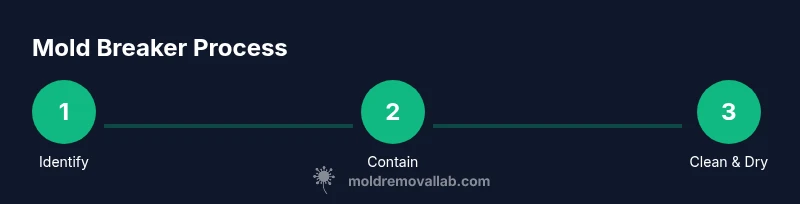
In a small apartment with a recurring bathroom issue, the tenant followed a mold breaker protocol: assessed moisture sources, isolated the area, cleaned nonporous surfaces, and dried thoroughly. After a week, humidity stabilized, and a rebuild of the under-sink plumbing eliminated the moisture pathway. The tenant documented every step using a simple checklist and photos, then implemented preventive measures, such as improved ventilation and ongoing moisture monitoring. This example illustrates the mold breaker approach in action: identify, contain, clean, dry, and prevent.
Tools & Materials
- PPE kit (gloves, respirator/N95, goggles)(Ensure a properly fitted respirator for particle protection)
- Disposable coveralls(One-time wear; dispose after contaminated use)
- Plastic sheeting for containment(6–10 mil thickness; tape to seal edges)
- Tape (painter's or duct tape)(Secure plastic sheeting to walls; seal door gaps)
- Spray bottle with mild detergent solution(Label clearly; for initial surface cleaning)
- Scrub brush and rags(Non-shedding fibers; use disposable brushes if possible)
- Bucket(For mixing cleaning solutions)
- Hygrometer/moisture meter(Track humidity levels over time)
- Dehumidifier or extra fans(Aid faster drying in damp spaces)
- Trash bags (heavy-duty)(Seal and dispose of contaminated materials)
Steps
Estimated time: 2-3 days (including drying and rechecks)
- 1
Identify mold presence and whether it’s contained
Observe visible growth and odors to confirm mold presence. Do not disturb large areas of growth; plan containment first. A mold breaker starts with precise knowledge of the area and root moisture sources.
Tip: Document locations with photos before touching any surfaces. - 2
Shut moisture sources and isolate area
Fix leaks and close off the area with plastic sheeting. Establish a containment boundary to prevent spores from spreading to other rooms. If possible, create a negative airflow in the work zone.
Tip: Keep pets and kids out of the containment zone. - 3
Equip yourself and put on PPE
Put on a properly fitted respirator, goggles, gloves, and disposable coveralls. PPE minimizes exposure to spores during cleaning and handling of contaminated materials. Never skip this protective step in a mold breaker process.
Tip: Use a dedicated set of clothes for mold work. - 4
Contain the area with plastic barriers
Seal doors and vents with plastic and tape to limit spore movement. This containment is essential for the mold breaker approach and helps with later drying and monitoring.
Tip: Label the containment clearly as a mold remediation zone. - 5
Clean nonporous surfaces
Wipe surfaces with a detergent solution; scrub away visible mold. For stubborn spots, use vinegar or hydrogen peroxide as a follow-up. Avoid mixing cleaners and ventilate the space during cleaning.
Tip: Apply cleaners in small sections to prevent over-wetting. - 6
Address porous materials
Porous materials with extensive mold (like drywall) may need removal and disposal. If cleaning is attempted, do so cautiously and consider replacement where necessary.
Tip: When in doubt, remove contaminated insulation to prevent hidden growth. - 7
Dry the area thoroughly
Use fans and a dehumidifier to bring humidity below 50%. Continue drying for at least 24–48 hours after cleaning. Moisture control is critical to stop regrowth in the mold breaker workflow.
Tip: Recheck moisture levels daily for several days after remediation. - 8
Inspect and document progress
Take follow-up measurements and photos to confirm that mold growth has stopped and moisture is controlled. Update your remediation checklist and retain records.
Tip: Keep a simple log of readings and cleanup actions. - 9
Prevent recurrence with long-term measures
Repair leaks, improve ventilation, and maintain humidity controls in the space. Implement routine inspections and keep surfaces dry to maintain the mold breaker gains.
Tip: Set a seasonal reminder to recheck damp areas.
FAQ
What is a mold breaker?
A mold breaker is a practical approach to mold remediation that emphasizes safety, containment, and prevention through a structured DIY process and professional referrals when needed.
A mold breaker is a practical, safety-first plan for removing mold and preventing its return, with clear steps and defined points to call in pros.
Is DIY mold cleanup safe?
DIY cleanup can be safe for small, well-contained areas on nonporous surfaces when you follow proper PPE and containment. Large infestations or mold behind walls should be handled by professionals.
DIY cleanup can be safe for small areas, but for big or hidden mold, call a pro.
How do I know if I have hidden mold?
Hidden mold may show as persistent musty odors, staining under sinks, or moisture problems in walls or basements. Use moisture meters and visual checks to guide decisions about further evaluation.
Look for persistent odors and moisture clues; sometimes walls hide mold behind surfaces.
When should I call a professional?
Call a professional for extensive growth, structural damage, or mold behind walls. A licensed remediator can safely remove contaminated materials and ensure proper drying and clearance.
If growth is large or behind walls, get a licensed remediator.
Can I use bleach to kill mold on wood?
Bleach is often not effective on porous materials like wood and can leave behind lingering moisture. Consider nonporous cleaners for surfaces and consult a pro for wood remediation when in doubt.
Bleach isn’t ideal for wood; use other cleaners and seek guidance for wood damage.
Should I test for mold after cleanup?
Post-cleanup testing is optional for small, well-contained projects. Use moisture readings and visual checks to verify conditions. If symptoms persist, further evaluation may be warranted.
Testing is helpful if symptoms persist after cleanup.
Watch Video
The Essentials
- Identify moisture sources before cleanup.
- Contain the area to prevent spread of mold spores.
- Dry thoroughly and monitor humidity after remediation.
- Know when to call a professional for hidden mold or extensive growth.
- Implement long-term prevention to keep mold from returning.