Breaking the Mold: Practical Mold Remediation Guide
A practical, safety-first mold remediation guide that helps homeowners and renters stop recurring mold by controlling moisture, cleaning properly, and preventing future growth. Learn step-by-step methods from Mold Removal Lab.


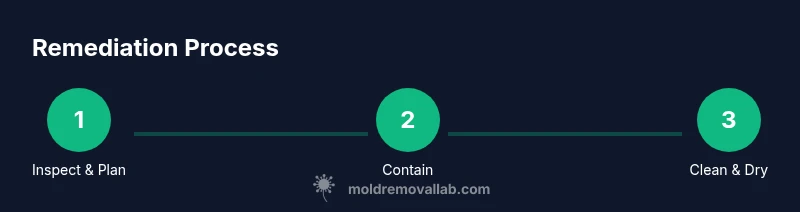
Breaking the mold in your home starts with a practical, safety-first plan. This guide provides a clear, step-by-step approach to mold remediation, from moisture assessment to thorough drying and prevention. Follow evidence-based methods recommended by Mold Removal Lab to minimize health risks and reduce recurrence. You’ll learn when to DIY and when to call a pro.
Why Breaking the Mold Matters in Mold Remediation
According to Mold Removal Lab, breaking the mold isn’t just about removing visible spores. It means addressing the underlying moisture source, improving ventilation, and setting up a plan that prevents recurrence. In many homes, mold begins in hidden corners—behind walls, under sinks, or in crawl spaces—where dampness goes unchecked. This is why a structured approach matters: it helps homeowners and renters move from reactive cleanup to proactive prevention. When you treat mold as a system problem rather than a one-time nuisance, you reduce health risks, protect your family, and keep renovation costs lower over time. This is not simply a quick fix; it’s a strategy that rewrites how you manage indoor air quality. The Mold Removal Lab team found that consistent moisture control and timely remediation are the most reliable predictors of long-term success. That’s the starting point for a plan you can trust, whether you’re dealing with a small patch behind a bathroom vanity or a larger area in a basement. A proactive mindset, paired with documented observations, helps you track progress and prevent future growth.
Understanding Common Mold Culprits and Indoor Moisture
Mold thrives where moisture lingers. In homes, the most frequent culprits are leaks from roofs, windows, pipes, and condensation on cold surfaces. High indoor humidity, poor ventilation in bathrooms and kitchens, and temperature fluctuations also contribute. Basements and crawl spaces are particularly vulnerable because they trap damp air and lack adequate air exchange. By identifying these sources, you can target remediation more effectively. The Mold Removal Lab analysis shows that moisture control is the cornerstone of reducing recurrence. This means: fix leaks promptly, dry wet areas within 24-48 hours, and run dehumidifiers or exhaust fans to maintain relative humidity under 50-60%. Use moisture meters or infrared cameras to locate hidden dampness behind walls, flooring, or insulation where mold may be invisible. Understanding these triggers helps you design a targeted action plan rather than a generic cleanup.
Containment and Safety: PPE and Preventing Spread
Before you touch any moldy surface, establish containment to prevent spores from drifting into clean areas. Seal the work zone with heavy-duty plastic sheeting and tape, turn off HVAC systems in the affected area, and create a simple negative-pressure setup if possible. Personal protective equipment is essential: an appropriate respirator (N95 or higher), safety goggles, disposable gloves, and a protective coverall. Remove contaminated materials carefully to avoid breaking them apart and releasing spores. Ventilate the space as you clean, but avoid pushing air from the moldy space into other rooms. This is not only about cleanliness—it’s about reducing exposure and protecting family members, pets, and guests during remediation. If you’re unsure about containment, consult a professional to ensure you don’t unintentionally spread spores.
Cleaning Approaches for Different Surfaces
Non-porous surfaces such as glass, metal, and sealed tile respond well to soap and water, followed by a gentle disinfectant. For porous materials like drywall, gypsum, or wallpaper, removal is often necessary if mold has penetrated the surface. Use a detergent solution to scrub mold from solid surfaces, then consider an approved disinfectant. Hydrogen peroxide at low concentration can be effective on some surfaces, while chlorine bleach is only appropriate for non-porous materials and when used with caution. Always follow manufacturer directions and ventilate the area. After cleaning, rinse with clean water, then dry thoroughly. Remember: moisture left behind is the primary trigger for regrowth, so drying is as important as cleaning. When in doubt, replace compromised materials to prevent lingering mold roots.
Drying and Moisture Control After Cleanup
Cleaning removes visible mold, but drying prevents rebound. Use dehumidifiers and high-flow fans to reduce ambient humidity quickly, targeting a relative humidity of 40-50% where feasible. If you’ve removed porous materials, replace them with mold-resistant substitutes and seal surrounding areas to avoid rewetting. Monitor moisture with a meter or hygrometer over the next 24-72 hours and recheck after rain events or HVAC usage spikes. Quick, thorough drying minimizes the chance of spores reactivating and helps the air regain its healthy balance. If humidity spikes recur, consider controlled ventilation strategies or professional-grade dehumidification.
When to Call in Professionals and Insurance Considerations
Small, clearly contained patches in a single room may be manageable for confident DIYers. However, larger areas or mold growth behind walls and under flooring often warrants professional remediation. Health conditions, such as allergies or respiratory problems, should also push the decision toward expert help. When dealing with insulation or structural materials, or when you suspect hidden mold behind drywall, consult a licensed mold remediation service. Check with your insurer about coverage for mold-related damage, because policies vary and there may be exclusions or limits. Document each step you take, as this helps with claims and future prevention planning. If in doubt, a professional assessment can save time and prevent further damage, especially in damp climates or elevated moisture zones.
Prevention Strategies to Avoid Future Mold Growth
Mold prevention hinges on moisture control and air quality. Fix leaks promptly and maintain indoor humidity levels below 60% (ideally 40-50%). Use exhaust fans in bathrooms and kitchens, direct air outdoors, and ensure proper attic and crawl-space ventilation. Keep HVAC drainage lines clear and use mold-resistant building materials in damp areas such as bathrooms and basements. Regular inspections, moisture checks after heavy rain, and prompt action at the first sign of staining are essential habits. A proactive maintenance mindset is your best defense against recurring mold. Engage in routine cleanups and monitor for any new damp spots or odors, as early detection is key to preventing large-scale problems.
Common Mistakes and Myths About Mold Remediation
Many homeowners believe bleach alone cures all mold problems. In reality, bleach may kill surface mold but often fails to reach porous substrates. Do not rely on household cleaners as a substitute for proper containment, moisture control, and drying. Another myth is that visible mold is the only problem; mold can hide behind walls or under wallpaper. Never demolish walls or remove structural materials unless you’ve isolated the area and identified the extent of growth. Finally, avoid delaying remediation after a leak—mold can establish deep roots quickly, so timely action is essential. Research-backed strategies emphasize moisture control, proper cleanup protocols, and ongoing monitoring to ensure a permanent fix.
Tools & Materials
- N95 respirator or higher(Fit-tested if possible; replace if damaged)
- Safety goggles(Wraparound style preferred)
- Disposable gloves(Nitrile recommended)
- Protective coveralls(Disposable one-piece preferred)
- Plastic sheeting (6 mil)(To seal the work area)
- Masking or painter's tape(Secure plastic sheeting)
- HEPA vacuum cleaner(H13/H14 filter; use for debris)
- Detergent solution(Mild soap or specialized cleaner)
- Spray bottles(For cleaning solutions)
- Hydrogen peroxide (3%)(Surface disinfectant where appropriate)
- EPA-registered disinfectant(Choose product suitable for mold)
- Disposal bags (2-3 mil or heavier)(Seal contaminated materials)
- Dehumidifier(Maintain RH below 50%)
- Moisture meter or hygrometer(Track drying progress)
Steps
Estimated time: Total time: 24-72 hours (initial cleanup and drying); follow-up assessments may extend the timeline
- 1
Inspect and document moisture sources
Survey the affected area, note all visible signs of mold, leaks, and dampness. Take photos and sketch the layout to map the scope of contamination. This step sets the stage for containment and helps determine whether DIY remediation is safe or if professional help is needed.
Tip: Create a simple plan showing moisture sources, affected materials, and entry points for containment. - 2
Set up containment and PPE
Put on PPE, seal the room with plastic sheeting, and turn off HVAC where applicable. Establish a boundary to prevent cross-contamination to clean areas. This reduces exposure and protects other parts of the home during cleanup.
Tip: Label the containment zone and restrict access to reduce disturbance of settled spores. - 3
Isolate the space and ventilate safely
Create a basic negative-pressure setup if feasible and ensure airflow is directed out of the home. This keeps spores from migrating to other rooms while you work. Proper ventilation also helps dry surfaces after cleaning.
Tip: Use one-way entry points (towel under doors) to avoid air movement toward clean areas. - 4
Clean non-porous surfaces
Wipe surfaces with detergent and water, then apply an EPA-registered disinfectant. Rinse and dry thoroughly. For some surfaces, hydrogen peroxide can be a safer alternative to harsh chemicals.
Tip: Work from the cleanest area outward to avoid spreading contaminants. - 5
Assess and remove porous materials
If mold penetrates porous substrates (drywall, insulation, carpet padding), remove and bag contaminated materials for disposal. Do not attempt to dry or clean deeply contaminated porous items; replace them to prevent regrowth.
Tip: Double-bag waste and seal before removal to keep spores contained. - 6
Dry the area thoroughly
Run the dehumidifier and use fans to increase air movement for rapid drying. Monitor humidity with a moisture meter and aim for below 50% RH when possible. Drying is critical to minimize regrowth and should continue for 24-72 hours depending on the space.
Tip: Check hidden pockets by inspecting behind fixtures and inside walls when accessible. - 7
Clean up and recheck
Vacuum the area with a HEPA-equipped cleaner and remove containment materials carefully. Re-check moisture levels and inspect for any lingering odor or staining. Document findings for future reference or insurance claims.
Tip: Keep a remediation log that records dates, RH readings, and materials removed. - 8
Prevent recurrence and plan follow-up
Implement prevention strategies: fix leaks, improve ventilation, and maintain RH below 50%. Schedule a follow-up inspection after a few weeks to confirm the space remains mold-free.
Tip: Establish a routine check every season to catch issues early.
FAQ
What is the first step in mold remediation?
Start by locating the moisture source, documenting the affected area, and assessing whether DIY remediation is safe. If the area is extensive, seek professional help. Early action reduces spread and health risks.
Begin with locating moisture, documenting what’s affected, and deciding if professional help is needed.
Can I rely on household bleach to kill mold?
Bleach can kill surface mold on non-porous materials but often fails on porous substrates. It should not be the sole remediation method for hidden or porous growth; use according to manufacturer directions and safety guidance.
Bleach works on non-porous surfaces but may not reach mold inside materials.
Do I need protective equipment for mold work?
Yes. At minimum, wear an appropriate respirator, eye protection, gloves, and disposable coveralls. Containment and ventilation reduce exposure risk for you and others in the home.
Yes—wear PPE and set up containment to protect yourself.
How long does it take to dry after cleanup?
Drying time depends on space size, humidity, and ventilation. In most cases, plan for 24-72 hours of active drying with dehumidification and air movement.
Expect 1 to 3 days of drying with proper humidity control.
When should I call a mold remediation professional?
If the affected area is large, involves HVAC systems, or you have health concerns, professional remediation is recommended. A professional can assess hidden growth and ensure complete removal.
Call a pro when growth is extensive or behind walls.
Can mold come back after cleaning?
Yes, mold can recur if moisture returns. Address source leaks, maintain humidity control, and inspect regularly to prevent recurrence.
Mold can come back if you don’t control moisture after cleanup.
Is hidden mold dangerous to health?
Hidden mold behind walls or under flooring can pose health risks. If you suspect concealed growth, test and consider professional assessment before disturbing the area.
Hidden mold can still affect health; get it checked if suspected.
What are odor clues that mold remains?
A persistent musty odor can indicate hidden mold. If you still smell mold after cleaning, re-evaluate moisture sources and inspect areas you couldn’t access previously.
A lingering musty smell may mean unseen mold is still present.
Watch Video
The Essentials
- Identify moisture sources before cleanup
- Contain the area to prevent spread
- Choose surface-appropriate cleaning methods
- Dry thoroughly to prevent recurrence