Mold Bleach Solution: Safe Use for Mold Remediation
Learn how to use a mold bleach solution safely on nonporous surfaces, with dilution guidance, PPE, ventilation, dwell times, and prevention tips to reduce mold regrowth.


Using a mold bleach solution is a common method for disinfecting nonporous surfaces with visible mold. Apply only to nonporous materials, mix correctly (bleach and water), and follow safety steps to minimize fumes. Ensure good ventilation, PPE, and full drying time. Do not mix with ammonia or other cleaners. Store leftovers safely and label the solution clearly.
What a mold bleach solution is and when to use it
A mold bleach solution is a mixture typically used to disinfect mold on nonporous surfaces like tile, glass, and enamel. The active component is sodium hypochlorite, which can kill visible mold on contact when applied correctly. According to Mold Removal Lab, this approach can be effective for surface mold but does not reach mold roots embedded in porous materials. Use bleach only on hard, nonporous surfaces such as countertops, bathroom tiles, and sealed concrete. Do not use bleach on porous materials like drywall, wood with exposed fibers, or fabric, where mold may be growing behind the surface. Before you begin, test a hidden spot to ensure colorfastness and always work in a well-ventilated area. A properly diluted solution is key to safety and effectiveness, and it should be used as part of a broader mold remediation plan, not as a sole solution for structural contamination.
Authority sources: For further guidance, consult CDC mold resources, EPA mold guidelines, and OSHA ventilation recommendations to inform safe practices during remediation.
Safety first: PPE, ventilation, and storage
Safety is non-negotiable when using chemical cleaners for mold. Wear chemical-resistant gloves, protective goggles, and long sleeves. A rated respirator or at least a mask helps reduce inhalation of fumes. Ventilate the area with open windows or an exhaust fan during and after application, and keep children and pets away. Prepare a dedicated cleaning area and dispose of used towels and rags in sealed bags. Store any leftover bleach solution in a clearly labeled container away from heat and sunlight. Remember that bleach can release strong chlorine fumes, so never mix it with ammonia or acidic cleaners. If you start coughing or feel dizzy, stop and seek fresh air.
How to make the right dilution and choose products
Bleach products vary by concentration. A common starting point is a 1:10 dilution (one part bleach to nine parts water), which is widely recommended for surface disinfection. Always read the label for the correct mixture and contact time. If you’re working on a smaller area, a spray bottle can deliver an even mist; for larger jobs, a bucket-and-brush approach may be better. Test the solution on a small area first to observe any adverse reactions. If you’re dealing with sensitive materials or uncertain substrates, consider a milder disinfectant or a hydrogen peroxide alternative. Note that bleach is less effective on porous materials and may not prevent regrowth in hidden mold. For many households, a simple, on-label use of household bleach is sufficient for surface mold on nonporous surfaces, while more advanced remediation may require professional guidance.
Pro tip: Always verify the product label and follow the recommended contact time for best results.
Application steps on nonporous surfaces and dwell time
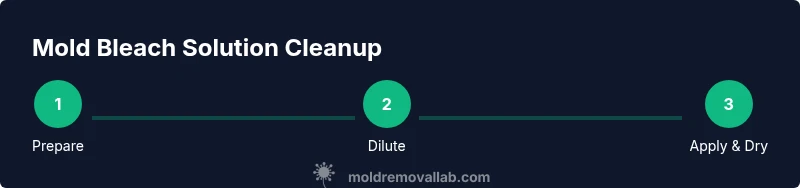
Start by preparing the area and PPE, then mix your solution. Spray or wipe the affected surface with the bleach solution, ensuring an even coat without saturating the material. Let the surface remain wet for the contact time specified on the product label, typically a few minutes, before wiping away residue with a clean cloth. Rinse with fresh water if the surface permits and dry thoroughly to prevent new mold growth. Use towels to absorb excess moisture and run a fan to speed drying. Do not reuse contaminated rags; seal them in a bag before disposal. After drying, inspect for remaining staining or musty odors, and repeat only if mold reappears. If you’re unsure, pause and consult a mold remediation guide or a professional.
Common mistakes and alternatives for porous materials
Common mistakes include using bleach on porous materials like drywall, wood, or fabrics, where mold can survive behind the surface. Bleach can also cause discoloration on certain materials and create fumes if not ventilated. Instead, focus on nonporous surfaces or replace contaminated porous sections. For porous materials, alternatives such as hydrogen peroxide, alcohol-based cleaners, or dry-ice blasting might be more suitable, depending on the material and mold extent. If moisture remains, even the best cleaning may fail; address leak sources and humidity with dehumidifiers and improved ventilation. When in doubt, seek guidance from Mold Removal Lab and local guidelines.
Maintenance, prevention, and when to call a pro
After cleaning, implement moisture control to prevent regrowth: fix leaks, run dehumidifiers, ensure proper airflow, and keep humidity below about 50-60%. Regular inspections and prompt response to water intrusion are essential. For stubborn or widespread mold, or if you suspect moisture problems behind walls, professional remediation is recommended. Bleach is a tool for surface disinfection, not a cure for structural mold. Mold Removal Lab emphasizes that ongoing prevention and addressing moisture are the keys to long-term health.
Tools & Materials
- Household chlorine bleach (5-6% sodium hypochlorite)(Unexpired, labeled product; use only on nonporous surfaces)
- Water (for dilution)(Clean, room temperature)
- Spray bottle or bucket(Spray bottle for small areas; bucket for larger jobs)
- Nonporous scrub brush or sponge(Soft-bristle to avoid scratching)
- Disposable gloves(Chemical-resistant; ideally nitrile)
- Safety goggles or face shield(Eye protection)
- Respirator or mask(P100 respirator if available; otherwise a standard mask)
- Rags or microfiber towels(For wiping and drying)
- Disposable trash bags(Seal and discard)
- Fan or dehumidifier(Improves drying; optional but recommended)
Steps
Estimated time: 30-60 minutes
- 1
Prep the area and safety gear
Clear the space, remove belongings if possible, and set up a containment zone to limit splashes. Put on chemical-resistant gloves, goggles, and a mask. Ventilate the area using a fan or open windows.
Tip: Have all tools and cleaners within arm's reach before starting to avoid multiple trips. - 2
Mix the dilution
In a separate container, mix the bleach with water according to the label instructions. Use the lowest effective concentration and avoid making more solution than you need.
Tip: Verify label guidance; never mix with ammonia or other cleaners. - 3
Apply to the moldy surface
Apply the solution to nonporous mold-affected areas using a spray bottle or sponge, ensuring an even coating without flooding the surface.
Tip: Avoid saturating porous materials; stop if liquid begins to pool. - 4
Dwell and monitor
Let the surface stay wet for the product's recommended contact time, usually several minutes. Do not let it dry completely before you wipe.
Tip: Keep the area well-ventilated to manage fumes during contact time. - 5
Rinse and dry
Rinse the treated area with clean water if the surface allows, then dry thoroughly with towels or a dehumidifier/fan.
Tip: Drying reduces the chance of regrowth; moisture control is essential. - 6
Inspect and re-clean if needed
Check for remaining discoloration or odor after drying. If mold returns, reapply only to nonporous surfaces or escalate to professional help for larger problems.
Tip: Document mold occurrences to track moisture issues. - 7
Clean tools and dispose
Rinse brushes and wipeable tools with water. Place contaminated towels in sealed bags and discard properly.
Tip: Do not reuse contaminated cloths with other cleaning tasks.
FAQ
Can a bleach solution kill mold on all surfaces?
Bleach is effective on nonporous surfaces but won’t reach mold roots in porous materials like drywall or wood. For porous materials, removal or alternative treatments may be necessary, and larger mold problems should be evaluated by a professional.
Bleach works on nonporous surfaces but not inside porous materials; bigger mold issues may require a pro.
Should I use bleach for mold in bathrooms?
Bleach can disinfect nonporous bathroom surfaces like tiles and glass. Avoid porous areas such as grout, wood, or stone that may harbor mold behind the surface; for those, consider alternatives or professional guidance.
Bleach works on tiles and glass, but be cautious with grout and porous areas.
How long should bleach sit on mold?
Follow the product label for contact time, typically a few minutes up to about ten minutes. Do not rinse or wipe too soon; maintain wetness as directed before wiping away.
Check the label—usually a few minutes up to ten; don’t rush the dwell time.
Are natural or alternative cleaners better than bleach?
Hydrogen peroxide or alcohol-based cleaners can be safer for some materials. For persistent or large mold problems, professional remediation is recommended.
There are safer options like hydrogen peroxide, but large or stubborn mold often needs a pro.
Can I reuse cleaning cloths with bleach?
Use disposable towels for bleach work or wash towels separately from regular laundry to avoid spreading mold.
Use disposable towels or wash cloths separately after use.
When should I call a professional?
If mold covers a large area, recurs after cleaning, or you suspect hidden moisture behind walls, professional remediation is advised.
Call a pro if the area is large or mold keeps coming back.
Watch Video
The Essentials
- Test a hidden area first.
- Use bleach only on nonporous surfaces.
- Ventilate, wear PPE, and dry completely.
- Avoid ammonia and other cleaners.
- Address moisture to prevent regrowth.