Can You Use Bleach on Mold? A Practical Guide for 2026
Explore whether bleach can kill mold, when it’s appropriate, and safer alternatives for porous vs nonporous surfaces. Includes moisture control tips, safety guidance, and expert insight from Mold Removal Lab.


Bleach can kill surface mold on nonporous surfaces, but it isn’t a universal solution. It often fails to reach mold roots inside porous materials like drywall or wood and can damage finishes or release fumes if misused in enclosed spaces. For most homes, prioritize moisture control, ventilation, and safer cleaners.
Can You Use Bleach on Mold? What the Science Says
Mold growth is more than a visual problem; it signals moisture and hidden damage. The short answer to can you use bleach on mold is nuanced. According to Mold Removal Lab, bleach can kill surface mold on nonporous surfaces, but it isn’t a universal solution. It often fails to reach mold roots inside porous materials like drywall or wood and can damage finishes or release fumes if misused in enclosed spaces. For homeowners, the best approach combines containment, ventilation, and attention to moisture sources. This article guides you through when bleach might help, what it won’t do, and safer alternatives that reduce health risks while restoring your space.
Keyword focus: can you use bleach on mold is addressed in practical terms, with emphasis on surface versus embedded mold and the role of moisture control. The Mold Removal Lab team emphasizes cautious use and proper sequencing to minimize risk.
When Bleach Helps: Nonporous Surfaces and Surface Mold
On nonporous materials such as ceramic tile, glass, enamel-coated metal, or sealed countertops, a dilute bleach solution can disinfect and kill visible mold spores on the surface. Bleach is most effective when mold coverage is limited to the surface and the material is intact, clear of pores and cracks where moisture hides. Always test a small inconspicuous area first, wipe with clean water to remove residues, and ensure the space is well ventilated to minimize fumes. From the Mold Removal Lab perspective, using bleach in these circumstances can reduce visible mold quickly, but it does not address roots embedded in porous substrates, and repeated cleaning without resolving moisture will lead to regrowth. If you decide to use bleach here, stick to a 1:10 bleach-to-water ratio, avoid mixing with ammonia or acids, and never leave bleach on a surface longer than 10 minutes to prevent damage.
Porous Materials: Why Bleach Fails to Reach Mold Roots
Porous substrates like drywall, wood, particleboard, and fabric have tiny channels that harbor mold roots well beneath the surface. Bleach cannot penetrate these pores, and when the moisture from the solution evaporates, residual spores can resume growth. In many cases, the mold has penetrated beyond a superficial layer, requiring removal and replacement of affected material. If you encounter porous materials with visible mold, plan for containment, careful removal, and moisture restoration rather than relying on surface cleaners alone. Mold Removal Lab notes that the best outcomes come from addressing the moisture source and choosing cleaning methods appropriate to the material.
Safety First: PPE, Ventilation, and Handling
Mold cleanup introduces two kinds of risk: mold exposure and chemical exposure from cleaners like bleach. Always wear disposable gloves, eye protection, and a properly fitted respirator when contamination is suspected or cleanup is extensive. Ensure the area is well ventilated; open windows, use a fan that exhausts outdoors, and avoid pooling moisture. Do not mix bleach with ammonia or acids, as this can create dangerous gases. If anyone in the home has asthma, allergies, or a compromised immune system, take extra precautions and consider seeking professional help earlier in the process.
Step-by-Step Safe Cleaning Process with Bleach (when appropriate)
The step-by-step guide below is designed to be used when you determine that bleach is appropriate for nonporous surface mold and the area is safe to treat. For porous materials, skip this section and consult professional remediation.
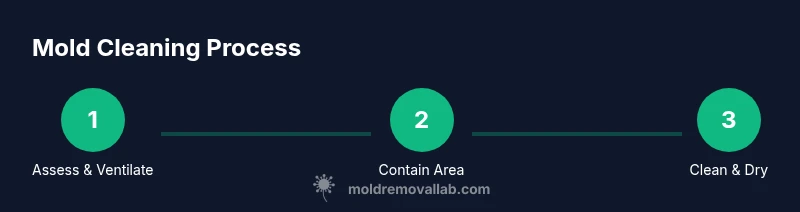
- Assess the area and ventilate. Open doors and windows; position a fan to blow air outdoors. Reason: consistent airflow reduces inhalation risk and helps moisture evaporate more quickly. TIP: Do not run fans if there is standing water.
- Put on proper PPE. Wear gloves, eye protection, and a respirator rated for particulates and chemical vapors. Reason: protects you from spores and cleaning agents.
- Contain the area. Seal off the cleanup zone with plastic sheeting to prevent spores from spreading to other rooms. Reason: minimizes cross-contamination. TIP: Tape edges securely and avoid gaps.
- Prepare the cleaning solution. Mix unscented household bleach with water in a 1:10 ratio (1 part bleach to 10 parts water). Reason: strong enough to disinfect on nonporous surfaces while minimizing fumes. TIP: Use a spray bottle for even application and avoid oversaturation.
- Treat nonporous surfaces. Apply the solution to moldy areas and scrub with a nonabrasive sponge, focusing on visible growth. Reason: surface mold requires contact time for effective disinfection. TIP: Remove any loose material first.
- Rinse and dry thoroughly. Rinse with clean water and dry the area completely with towels or a dehumidifier. Reason: moisture is the main driver of recurrence. TIP: Keep the space dry for at least 24–48 hours.
- Dispose of contaminated materials. Place used rags, sponges, and gloves in a sealed bag and wash reusable tools thoroughly. Reason: prevents reintroduction of spores.
- Inspect and monitor. Re-check after 24–72 hours for any signs of regrowth and address any lingering moisture sources. Reason: early detection helps prevent large-scale re-cleaning.
Alternatives to Bleach You Should Consider
Bleach is just one option among several approaches to mold cleanup. Hydrogen peroxide, vinegar, and soap-and-water solutions can be effective on certain surfaces, while specialized mold cleaners may be formulated for the home environment. Hydrogen peroxide (3%) can kill many mold species on nonporous surfaces and is less harsh on some materials compared to chlorine bleach, though it can still bleach colors and deteriorate delicate finishes over time. White vinegar (5–8%) is a mild alternative that disrupts mold growth on nonporous surfaces but should not be used on stone or porous materials without testing. Soap and warm water remove dirt and some surface spores, while commercial mold cleaners may offer formulations with antifungal properties for specific materials. Always read and follow manufacturer guidelines, test a small area first, and prioritize moisture control as the foundation of any mold remediation plan.
Preventing Recurrence: Moisture Control and Early Detection
The leading cause of mold growth is ongoing moisture. After cleaning, reduce humidity levels, fix leaks promptly, and ensure proper ventilation in bathrooms, kitchens, and basements. Use dehumidifiers in damp climates and keep indoor humidity below 60% (ideally around 30–50%). Regularly inspect areas prone to dampness, such as window frames, basements, and crawl spaces. Early detection is key: treat small patches right away to prevent larger infestations and costly remediation later. The Mold Removal Lab team emphasizes that moisture control is more effective than repeated surface cleaning for preventing recurrence.
Common Myths Debunked
Myth: If you see mold, bleach is the cure-all. Reality: Bleach often leaves hidden roots behind in porous materials and neglects the moisture problem. Myth: Bleach kills mold instantly. Reality: Disinfection depends on contact time, material type, and proper dilution. Myth: Mold remediation is a one-step cleaning job. Reality: Most mold issues require moisture control, material replacement, and sometimes professional remediation. The goal is not just to remove visible mold but to eliminate the moisture source that supports regrowth.
When to Call a Professional
For large areas, structural mold, or if moisture problems persist after initial cleaning, professional remediation is recommended. A trained contractor can identify hidden moisture sources, contain contamination, and ensure safe and thorough removal. If you’re dealing with mold growth beyond a small patch or if anyone in the home has health concerns, it’s prudent to consult a licensed professional. The Mold Removal Lab team often suggests seeking professional help when conditions indicate potential health risks or extensive damage, as improper remediation can worsen outcomes.
Tools & Materials
- Gloves (nitrile or rubber)(Disposable if possible, remove after use)
- Goggles or safety glasses(Protect eyes from splashes)
- N95 respirator or better(For areas with visible mold growth)
- Disposable coveralls or old clothing(Minimize skin exposure)
- Unscented household bleach (sodium hypochlorite)(5-6% concentration is common; use in well-ventilated areas)
- Water(For dilution 1:10 with bleach)
- Spray bottle(For applying cleaning solution)
- Nonabrasive sponge or soft-bristled brush(Avoid damaging surfaces)
- Bucket and towels/rags(For wiping and drying)
- Plastic sheeting and tape(Containment to prevent spread)
- Dehumidifier or fan (out of the area)(Drying and ventilation)
- Garbage bags (heavy-duty)(Seal contaminated materials)
Steps
Estimated time: 60-120 minutes
- 1
Assess area and ventilate
Evaluate the mold area and ensure ample ventilation by opening windows and using a fan to exhaust outward. This reduces exposure and helps moisture evaporate.
Tip: Do not run fans if there is standing water. - 2
Put on PPE
Wear gloves, eye protection, and a respirator. This protects you from spores and chemical fumes during cleaning.
Tip: Choose a respirator rated for particulates and gases. - 3
Contain the area
Seal off the cleanup zone with plastic sheeting to prevent spore spread to other rooms.
Tip: Seal with tape and minimize door openings during cleanup. - 4
Prepare cleaning solution
Mix unscented bleach with water in a 1:10 ratio in a spray bottle.
Tip: Label the bottle and keep away from children. - 5
Apply to nonporous surfaces
Spray the solution on moldy areas and scrub with a sponge, focusing on visible growth.
Tip: Do not oversaturate to avoid moisture seepage. - 6
Rinse and dry
Rinse with clean water and dry thoroughly using towels or a dehumidifier.
Tip: Ensure the area remains dry for 24–48 hours. - 7
Dispose of contaminated materials
Place used rags and disposable items in sealed bags and discard properly.
Tip: Wash reusable tools with soap and water after use. - 8
Monitor area
Inspect the space in 24–72 hours for signs of regrowth and address any moisture issues.
Tip: Address leaks or humidity promptly to prevent recurrence.
FAQ
Is bleach effective on porous surfaces?
Bleach is typically ineffective for mold embedded in porous materials like drywall or wood because it cannot reach the roots. Surface mold may be cleaned, but the underlying moisture source must be addressed.
Bleach mainly cleans surface mold on nonporous surfaces and doesn’t reach embedded mold in porous materials.
What PPE should I wear when cleaning mold?
Wear gloves, eye protection, and a respirator rated for particulates and chemicals. Disposable coveralls are recommended for larger areas, and always wash hands after handling moldy materials.
Gloves, goggles, and a respirator are essential when cleaning mold.
Can bleach prevent mold from returning?
Bleach kills surface mold but does not address moisture sources. Without moisture control, mold is likely to return after cleaning.
Bleach alone won’t stop mold from coming back if moisture remains.
Are there safer alternatives to bleach?
Yes. Soap and water, hydrogen peroxide, vinegar (on certain surfaces), and specialized mold cleaners can be safer or more effective depending on the material. Always test first.
There are safer cleaners than bleach, like soap, peroxide, or mold-specific cleaners.
When should I hire a professional?
For large areas, structural mold, or persistent moisture issues, professional remediation is advised. A trained technician helps identify the moisture source and ensures proper containment.
If the mold covers a large area or you have ongoing moisture problems, call a pro.
What safety warnings should I heed?
Never mix bleach with ammonia or acids. Use proper ventilation and follow product directions to minimize health risks during cleanup.
Never mix bleach with ammonia or acids; ventilate the area.
Watch Video
The Essentials
- Bleach is not a universal fix for all mold scenarios.
- Porous materials often require replacement rather than surface cleaning.
- Moisture control and ventilation are essential to prevent recurrence.
- Always follow safety guidelines and consider professional help for large or persistent problems.