How to Kill Mold on Concrete: A Step-by-Step Guide
Learn practical, step-by-step methods to kill mold on concrete, control moisture, and prevent regrowth in basements, garages, and outdoor slabs with safe DIY and when to seek professional help.


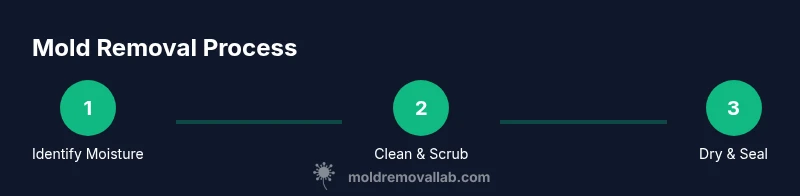
According to Mold Removal Lab, the fastest way to kill mold on concrete is to stop moisture at the source, clean with a proven solution, and dry the area thoroughly. Start by locating leaks or runoff, ventilating the space, and isolating the work area. Then scrub with an approved mold cleaner, rinse, and dry completely before reusing the space.
Understanding Mold on Concrete
Concrete is naturally porous, which means it can absorb moisture from the ground, rain, or indoor humidity. When spores land on damp concrete, they can begin to grow into visible colonies within 24-48 hours. Common culprits include Cladosporium, Aspergillus, and other household molds. Kill mold on concrete is particularly important in basements, garages, and outdoor slabs where moisture tends to collect. Mold on concrete appears as black, green, or gray patches; the color varies with species and organic debris present. Many people assume concrete is easy to clean, but the porous surface can trap spores in tiny pores. A quick surface wipe may not suffice; thorough cleaning and proper drying are essential to prevent regrowth. This knowledge helps homeowners choose effective methods and reduce recurrence.
Why Moisture Control Is Non-Negotiable
Moisture is the single biggest driver of mold growth on concrete. Sources include groundwater seepage, roof leaks, plumbing drips, poor drainage, and high indoor humidity. Even small amounts of moisture can sustain mold colonies in hidden pockets below floor slabs or along wall cracks. Effective remediation starts with moisture management: fix leaks, improve drainage away from the slab, seal cracks, and use dehumidification or ventilation to maintain a dry environment. Without moisture control, cleaning efforts are short-lived and mold returns quickly.
PPE and Safe Handling
Cleaning mold on concrete releases spores into the air. Protect yourself with proper PPE: a well-fitted N95 respirator, protective gloves, and eye protection are essential. Wear long sleeves and pants to reduce skin contact, and work from the clean side of the room to avoid cross-contamination. Never brush mold chips into an adjacent living area; instead, bag contaminated material as you go and seal it for disposal. If you have asthma or allergies, consider professional assistance, especially in larger spaces.
Cleaning Options for Concrete: Bleach, Hydrogen Peroxide, and Vinegar
There isn’t a one-size-fits-all solution for concrete mold. Bleach can be effective on non-porous surfaces and removes discoloration, but it may not penetrate deeply into porous concrete. Hydrogen peroxide can be useful on organic residues and is less harsh than bleach, though it may require repeat applications. White vinegar is a milder option that some homeowners prefer for routine maintenance, but it may be less effective on heavy mold growth. Always avoid mixing cleaners—never combine bleach with ammonia or vinegar—and follow product labels for safe use. For persistent mold, professional-grade products designed for concrete mold remediation can be more effective.
Drying and Moisture-Proofing Concrete
After cleaning, drying is critical. Use fans, open windows, and a dehumidifier to bring surface moisture below 60% RH (relative humidity) and ensure the slab is completely dry before sealing. Porous concrete can reabsorb moisture from the ground; consider a moisture barrier or concrete sealer once dry. Proper sealing not only helps prevent future mold growth but also makes future cleaning easier. Regularly inspect for damp spots, cracks, or areas where water can pool and address them promptly.
Long-Term Prevention and Maintenance
Preventing mold return on concrete involves ongoing moisture control and routine checks. Maintain humidity levels in habitable spaces below 50-60% and ensure good air exchange in basements and garages. Repair any water intrusion promptly and improve drainage around the exterior of the home. Periodically clean concrete surfaces with a mild cleaner and recheck after heavy rains or seasonal melt. Keeping a moisture log can help detect trends and trigger preventive actions early.
When Mold Returns and Next Steps
If mold reappears after cleaning, the issue may involve hidden moisture, substrate damage, or a larger infestation that requires professional remediation. Do not ignore recurring mold—prolonged exposure can affect indoor air quality and health. A professional evaluation can identify hidden leaks, structural moisture pathways, and safe, effective remediation options. In some cases, replacing affected materials (or treating below-grade sections) is necessary to stop regrowth.
Authority Sources
For further reading on mold basics and safe remediation practices, consult reputable sources:
- Environmental Protection Agency (EPA): https://www.epa.gov/mold
- Centers for Disease Control and Prevention (CDC): https://www.cdc.gov/mold/dampness.html
- Occupational Safety and Health Administration (OSHA): https://www.osha.gov/molds
Tools & Materials
- N95 respirator mask(Fit-tested if possible; protects from inhaling spores)
- Protective gloves (nitrile or rubber)(Chemical resistant; avoid latex if you have sensitivities)
- Eye protection / safety goggles(Protects from splashes and debris)
- Long sleeves and pants(Minimize skin exposure during cleaning)
- Scrub brush (stiff-bristle)(For penetrating embedded mold on concrete pores)
- Plastic spray bottles(One for cleaner solution, one for rinse water)
- Mop and bucket(For final rinse and cleanup of debris)
- Detergent or mild cleaner(Use a product labeled for mold cleanup or concrete surfaces)
- Bleach (3-5% household bleach)(Optional; use on non-porous concrete only; never mix with ammonia)
- Hydrogen peroxide (3%)(Alternative cleaning agent; can help with organic residues)
- White vinegar (5%)(Milder option; may require more effort for heavy growth)
- Dehumidifier(Helps achieve and maintain low humidity during drying)
Steps
Estimated time: 2-4 hours
- 1
Identify moisture source and isolate area
Inspect the space for leaks, condensation, or standing water. Mark the affected area and set up plastic sheeting to contain dust and spores, keeping the rest of the home dry and safe.
Tip: Contain the work zone to minimize cross-contamination; seal doors and vents with plastic. - 2
Ventilate and begin drying
Open exterior windows if weather allows, run a dehumidifier, and use fans to increase air flow. The goal is to reduce surface moisture quickly and prevent new growth during cleanup.
Tip: Aim for below 60% relative humidity in the treated area and monitor with a hygrometer. - 3
Choose and prepare your cleaning solution
Decide on a cleaning approach. For non-porous concrete surfaces, a diluted bleach solution is common; for porous concrete, consider hydrogen peroxide or an approved concrete cleaner. Always follow label directions and never mix chemicals.
Tip: Test cleaner on a small, hidden area first to ensure no discoloration or damage. - 4
Apply cleaner and scrub thoroughly
Spray the solution onto the moldy area and scrub with a stiff-bristle brush. Allow the cleaner to sit for several minutes to penetrate the mold before scrubbing again.
Tip: Scrub in a circular motion to reach small pores; avoid over-wetting the surface. - 5
Rinse and dry completely
Rinse away residue with clean water and use towels or a mop to remove moisture. Return fans/dehumidifiers to ensure the area dries completely before testing for visible mold.
Tip: Inspect a few hours later; if you still see damp patches, re-clean and re-dry. - 6
Seal and maintain moisture control
Once dry, seal the concrete or apply a moisture barrier if appropriate for the space. Implement ongoing moisture controls (gutter maintenance, drainage improvements, and regular cleaning) to prevent recurrence.
Tip: Choose a sealant compatible with the concrete and moisture exposure level of the space.
FAQ
Can bleach kill mold on concrete?
Bleach can kill mold on non-porous concrete surfaces, but it may not fully penetrate porous concrete. For heavy or deep growth, other cleaners or professional remediation may be more effective.
Bleach works on hard, non-porous concrete but may not reach mold within pores; consider alternate cleaners for porous slabs.
Is vinegar a good mold killer for concrete?
White vinegar can help inhibit some mold growth and is gentler on surfaces, but it may require more effort and follow-up cleaning for robust mold colonies.
Vinegar is milder and may take longer; it’s useful for light mold but not always enough for heavy growth.
How long does it take for concrete to dry after cleaning?
Drying time depends on humidity, ventilation, and surface porosity. In a well-ventilated space with a dehumidifier, expect several hours up to a full day for complete dryness.
It can take several hours to a day, depending on humidity and airflow.
When should I call a professional?
Call a professional if mold covers a large area, returns after cleaning, or if you suspect structural or hidden moisture issues. A pro can identify moisture pathways and perform safer, more thorough remediation.
If mold keeps coming back or you suspect hidden moisture, get a professional assessment.
Can I paint over cleaned concrete mold?
Painting over mold is not advised until the area is completely dry and mold-free. If mold recurs after painting, remove paint and address moisture before re-coating.
Don’t paint over mold; ensure it's fully cleaned and dry first.
Watch Video
The Essentials
- Identify and fix moisture sources before cleaning.
- Wear proper PPE and follow safety guidelines.
- Choose a cleaning method appropriate for concrete porosity.
- Dry thoroughly and consider sealing to prevent recurrence.
- Monitor for repeat growth and address promptly.