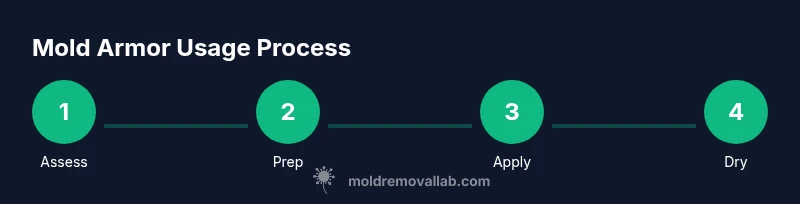
How to Use Mold Armor for Safe Home Mold Remediation
Learn how to use Mold Armor safely and effectively for home mold remediation. This guide covers prep, application, drying times, and maintenance to minimize mold regrowth.


According to Mold Removal Lab, using Mold Armor correctly can help homeowners treat mold safely and effectively at home. This quick-guide introduces practical steps, surface prep, and post-application care. If you’re dealing with damp spaces, follow these steps to maximize effectiveness while protecting your family.
What Mold Armor Is and How It Works
Mold Armor is a consumer-grade mold remediation product designed to inhibit surface mold growth on nonporous and sealed materials. It works best when used on clean, dry surfaces and as part of a broader moisture control plan. For homeowners asking how to use Mold Armor, the key idea is simple: prepare the surface, apply evenly, and allow adequate curing time. The Mold Removal Lab team emphasizes that effectiveness hinges on proper surface prep and following label directions precisely. When used as directed, Mold Armor can reduce visible mold and help create a healthier indoor environment. Remember, this is a remediation step, not a substitute for addressing ongoing moisture problems. Mold Armor shines when dampness is controlled and the area is well ventilated, which aligns with general mold-safe practices recommended by health authorities.
Brand context: The Mold Removal Lab team notes that product success relies on correct usage and a thorough dampness management plan.
Safety First: PPE, Ventilation, and Safe Handling
Before you touch any mold remediation product, plan for safety and airflow. Wear a respirator or a high-quality mask (N95 or better), chemical-resistant gloves, and protective eyewear. Open windows and run a fan to maintain ventilation. Keep children and pets away from the work area. Store Mold Armor out of reach after use and never mix it with other cleaners. A steady, calm approach reduces the risk of splashes or accidental exposure. If symptoms like coughing, dizziness, or skin irritation occur, stop immediately and seek fresh air. By prioritizing PPE and ventilation, you reduce exposure risk and create a safer remediation environment.
Brand note: Mold Removal Lab highlights PPE and ventilation as foundational safety steps, reminding readers that safety comes first when handling mold products.
Prep the Surface: Cleaning, Drying, and Containment
Start by removing loose mold with a dry cloth or brush, then wipe the area with a mild detergent solution to remove grime. Rinse and allow the surface to dry completely. Porous materials like drywall that show widespread mold should be evaluated for replacement rather than treatment. Use plastic sheeting to isolate the work area and tape to seal doorways, preventing mold spores from spreading. The goal is to provide a clean, dry, and isolated surface so Mold Armor can form an effective protective layer. Proper containment minimizes cross-contamination and supports better long-term results.
Note: Effective containment reduces the chance of mold spreading to other rooms during application.
Step-by-Step Application Guide (Even Coats for Best Coverage)
Apply Mold Armor in thin, even coats across the affected surface, following product directions for coverage rate. Keep coats light to avoid runs and ensure a smooth finish. If the surface is textured, use a brush to fill crevices and a roller for broad areas. Allow the first coat to dry fully before inspecting for missed spots and applying a second coat if recommended. Do not rush curing times; drying times vary with humidity and temperature.
Tip: Apply in moderate temperature (not too hot or cold) and avoid applying in direct sun, which can dry the product unevenly. This helps ensure a durable barrier against future moisture intrusion.
Drying, Curing, and Cure Time: What to Expect
After applying Mold Armor, allow the surface to dry according to label instructions—this typically means at least several hours in a well-ventilated space. Do not re-wet or touch the area during the curing phase, as moisture can compromise the protective film. Once cured, inspect the surface for uniform appearance and re-clean nearby areas if needed. Proper drying reduces the risk of residual moisture that could encourage mold relapse. If you see white powdery film or texture changes, consult the product guidelines or contact support for guidance.
Post-Application Maintenance and Moisture Control
Mold growth commonly returns where moisture persists. Maintain low indoor humidity (ideally between 30-50%), fix leaks promptly, and improve ventilation in damp spaces like bathrooms and basements. Regularly inspect areas treated with Mold Armor for signs of new mold growth, repaint or reapply as needed in high-humidity zones. Keeping surfaces dry and clean is the best long-term defense. Consider a dehumidifier in moist climates and use exhaust fans during showers or cooking to manage humidity levels effectively.
Pro tip: Schedule seasonal inspections and address any visible water intrusion promptly to maximize your remediation efforts.
Common Mistakes and How to Avoid Them
Common errors include skipping surface cleaning, not allowing full drying time, using the wrong product for the surface, and ignoring moisture sources. Always match the product to the material (non-porous vs. porous) and follow label directions precisely. Avoid applying on very hot surfaces or in areas with poor air exchange. Inadequate containment can spread spores; always seal off the workspace. If mold covers a large area (typically more than 10 square feet) or if there's visible water damage, seek professional remediation. Prevention is as important as remediation; address leaks and poor ventilation to deter regrowth.
Warning: Do not attempt full-scale remediation in areas with significant structural damage or high mold loads without professional guidance.
When to Call a Pro: Recognizing Limits of DIY Mold Armor Use
DIY solutions work for small, contained mold issues on nonporous surfaces. If you encounter ongoing moisture, extensive mold growth, hidden mold behind walls, or recurring outbreaks after treatment, a certified mold remediation professional should assess the situation. Pro guidance helps ensure complete removal, proper containment, and long-term moisture management. Mold Armor can be part of a remediation plan, but it’s not a substitute for addressing underlying moisture problems or large infestations.
Conclusion of the Middle Section: Integrating Mold Armor Into a Comprehensive Plan
To summarize, how to use Mold Armor effectively starts with surface prep, safe handling, proper drying, and moisture control. The product can be a valuable part of a broader strategy—one that includes leak repairs, humidity management, and regular inspections. By following the steps outlined above, homeowners and renters can reduce mold visibility and maintain a safer living environment. Always prioritize health and safety, and don’t hesitate to seek professional advice for complex mold scenarios.
Tools & Materials
- Mold Armor product (as directed on label)(Choose the formula appropriate for the surface (nonporous vs. porous) and follow label directions precisely)
- Nitrile gloves(Powder-free and chemical resistant)
- Safety goggles(Protect eyes from splashes)
- Respirator or P100 mask(For mold spores and chemical fumes)
- Plastic sheeting or drop cloths(Contain the work area to prevent spread of spores)
- Mild detergent(Used for initial cleaning to remove grime)
- Bucket and cleaning rags(For surface prep and cleanup)
- Brushes/rollers(Use appropriate applicator per surface)
- Waste bags(Seal and dispose of contaminated materials safely)
- Ventilation fan or open windows(Optional but helps with airflow during application)
Steps
Estimated time: 2-3 hours
- 1
Inspect and assess the area
Record the scope of mold growth and identify hidden areas (behind baseboards, under cabinets). Evaluate moisture sources and structural damage. A clear assessment guides the remediation plan and helps you decide whether DIY is appropriate.
Tip: Document mold extent with photos before starting. This helps track progress. - 2
Set up containment and ventilation
Isolate the work area with plastic sheeting and seal doorways. Ensure good airflow, but avoid spreading spores to other rooms. Turn on a ventilation device if available and keep kids/pets away during application.
Tip: Place a drop cloth at floor level to catch drips and reduce contamination. - 3
Clean the surface and dry thoroughly
Wipe the surface with mild detergent solution, rinse, and let it dry completely. Porous materials with extensive damage may need replacement. Adequate drying is essential for the product to form an effective barrier.
Tip: Do not apply Mold Armor to damp or already wet surfaces. - 4
Apply Mold Armor evenly
Apply the product in thin, even coats per label directions. For textured surfaces, use a brush for crevices and a roller for flat areas. Allow the first coat to dry before applying a second if required.
Tip: Avoid thick coats to prevent runs and uneven curing. - 5
Allow proper drying and curing
Do not touch or wet the surface during the curing window. Drying times vary with humidity and temperature. Confirm full cure before removing containment and restoring furniture.
Tip: Check humidity; high moisture slows curing and may require longer dry times. - 6
Re-inspect and address moisture
After curing, inspect for any missed spots and re-clean nearby areas if needed. Repair leaks and improve ventilation to prevent recurrence. Store products securely and dispose of waste properly.
Tip: Keep moisture sources under control to maximize success. - 7
Document results and plan maintenance
Capture outcomes with photos and note any areas requiring future attention. Schedule seasonal checks and humidity control to sustain results. If mold returns, reassess with a professional.
Tip: Create a maintenance calendar for your home’s humidity and inspection routine.
FAQ
Is Mold Armor effective on porous surfaces like drywall?
Mold Armor works best on nonporous or sealed surfaces. Porous materials with deep mold may require replacement or professional remediation. Always test a small area first and follow label directions.
Mold Armor is most effective on sealed surfaces. For porous materials, consider replacement or pro guidance, and always start with a small test area.
Can I use Mold Armor if there is ongoing moisture?
Address the moisture source before or during remediation. Mold Armor helps after cleaning and drying, but persistent dampness will lead to re-growth. Resolve leaks and improve ventilation for lasting results.
Don’t apply Mold Armor until moisture is controlled. Fix leaks and improve airflow to prevent mold from returning.
How long does Mold Armor take to cure?
Cure times vary with temperature and humidity. Follow the label for exact drying periods and avoid disturbing the area during curing.
Drying time depends on humidity and temperature; follow the product label for the exact cure time.
Should I hire a pro for large mold problems?
Yes. If mold covers a large area or involves hidden growth behind walls or structural materials, professional remediation is recommended. Mold Armor can be part of a broader plan, but complex cases require expertise.
For large or hidden mold, a professional is the best option. Mold Armor can help smaller, contained jobs as part of a larger plan.
What safety precautions are essential?
Wear PPE, ensure ventilation, and avoid mixing cleaners. Keep products out of reach of children and pets, and dispose of waste properly after remediation.
Wear PPE, ventilate, and don’t mix products. Store leftovers safely and dispose of waste correctly.
Watch Video
The Essentials
- Prepare and isolate the workspace before application.
- Apply in thin, even coats and allow thorough drying.
- Control moisture to prevent mold recurrence.
- If mold covers large areas or recurs, consult a professional.