How to Make Mold: Identification, Remediation & Prevention
This practical guide explains how mold forms, how to assess its presence, and how to remediate and prevent recurrence. Learn safe techniques, PPE, cleaning methods, and long-term prevention strategies from Mold Removal Lab.


By the end, you’ll know how to identify mold growth, assess its scope, decide between DIY remediation or professional help, and implement a safe, step-by-step plan to remove mold and prevent recurrence. This guide covers moisture sources, protective measures, cleaning methods, and long-term prevention so you can protect your home's air quality. You’ll learn when to DIY and when to call a professional. We reference Mold Removal Lab Analysis, 2026 for safety benchmarks.
Understanding Mold: What It Is and Why It Matters
Mold is a type of fungus that grows in moist environments. It can appear as black, green, or white patches on walls, ceilings, or hidden areas. According to Mold Removal Lab, mold exposure can affect indoor air quality and may trigger allergy symptoms or asthma in sensitive individuals. Understanding what mold is helps homeowners approach remediation with caution and safety. Mold spores are microscopic and can travel through air and dust, especially when moisture is present. A clear plan begins with correct identification and a method to reduce persistent moisture sources. In homes, mold growth is often a sign of hidden water issues, improper ventilation, or recent flooding. Early detection and a proactive plan can prevent structural damage and health risks.
How Mold Grows in Homes
Mold needs three things to thrive: moisture, a food source (such as wood, drywall, or fabric), and the right temperature. Water leaks, condensation on cold surfaces, high humidity, and poor air circulation create ideal conditions for mold to colonize. In most homes, the first signs are moisture damage or a musty odor long before you see visible colonies. Humidity above 60% in living spaces is a common warning sign. Mold growth accelerates after events like leaks, floods, or sustained rainfall that saturates building materials. Quick action to reduce moisture is essential to stopping mold in its tracks.
Signs You Have Mold in Your Property
Visible patches of mold, discoloration on walls or ceilings, and a persistent musty smell are common indicators. Water stains with cracking paint or warped materials signal ongoing moisture intrusion. Allergy-like symptoms (sneezing, coughing, itchy eyes) or respiratory irritation can also hint at airborne mold spores. In some cases, mold is hidden behind walls or under flooring, requiring professional assessment to determine the full extent. If you suspect mold but cannot locate the source, it’s wise to start with a moisture audit and visual inspection.
Safe Testing and Assessment Methods
Begin with a visual inspection of high-moisture areas such as bathrooms, basements, kitchens, and HVAC rooms. Use a hygrometer to measure relative humidity and a moisture meter to check wall materials. At-home testing kits vary in reliability; results should be interpreted with caution and ideally confirmed by a professional. When testing, document suspected areas with photos and note any moisture sources. Avoid disturbing mold colonies too aggressively, as this can release spores into the air. A professional assessment may include air and surface sampling, thermal imaging, and mold spore counts to determine the scope and plan remediation.
DIY Remediation vs Professional Help
Small patches on non-porous surfaces can often be addressed with careful cleaning and moisture control. For porous materials (drywall, insulation, wood) or extensive growth (greater than 10 square feet), professional remediation is usually recommended. DIY remediation can reduce costs but carries health risks if done improperly. If you have health concerns, such as asthma or compromised immunity, or if moisture issues are ongoing, engaging a licensed professional is the safer path. Consider the extent of moisture damage, the location (basements, showers, or attics), and the presence of black mold when deciding.
Containment, PPE, and Safe Cleanup
Before touching any mold, ensure you have proper PPE: a fitted N95 respirator (or higher), protective goggles, and nitrile gloves. Isolate the work area with plastic sheeting to prevent spores from spreading to other parts of the home. Turn off or seal HVAC to avoid circulating spores. Use a dedicated cleaning kit for contaminated areas and avoid cross-contamination with clean spaces. Work slowly and prevent stirring up dust; never mix cleaning agents unless recommended by a trusted source. After cleanup, remove disposable materials carefully in sealed bags and clean tools with detergent and hot water.
Cleaning Methods: Porous vs Non-Porous Surfaces
Non-porous surfaces (glass, metal, tile) can often be cleaned with detergent and water or an EPA-registered cleaner. Porous materials (drywall, wood, fabric) that have mold growth embedded deep may need removal and disposal to prevent regrowth. Bleach is not always effective on porous materials and can be corrosive; use only when surfaces are non-porous and mold is superficial. For stubborn growth, consult a professional-grade mold cleaner and ensure thorough rinsing and drying. Always test cleaners on a small area first to avoid damage.
Drying the Area and Controlling Humidity
Moisture control is essential to prevent regrowth. After cleaning, dry the space promptly using fans and dehumidifiers. Aim for relative humidity below 50-60% and maintain adequate ventilation. Run dehumidifiers for 24-72 hours or until moisture readings stabilize. A humid environment can encourage spores to revive, so continuous monitoring is critical even after visible mold is removed.
Long-Term Prevention: Habits and Home Upgrades
Preventing mold recurrence requires consistent moisture control and proactive maintenance. Address leaks promptly, improve bathroom ventilation, and fix roof or plumbing issues. Consider upgrading insulation, sealing opportunities for drafts, and installing a whole-home dehumidifier if humidity remains high. Regularly monitor humidity in vulnerable spaces and perform periodic inspections for water stains or condensation.
Common Myths About Mold Remediation
Myths can lead homeowners to false confidence or unsafe practices. Believing that paint over mold is a cure is incorrect; mold can continue to grow under paint. Using only scented products or bleach will not prevent regrowth and may create harmful byproducts. Mold remediation is not a one-time task; it requires ongoing moisture control and periodic checks to maintain a healthy indoor environment.
What Mold Removal Lab Recommends for Homeowners
Mold Removal Lab emphasizes a cautious, data-driven approach that prioritizes safety and moisture control. The team advocates professional assessment for significant growth and moisture issues, plus a documented prevention plan. For small, isolated mold on non-porous surfaces, careful cleaning and drying can be sufficient, followed by monitoring humidity and moisture sources to prevent recurrence.
Final Thoughts: Building a Mold-Safe Home
A mold-safe home requires vigilant moisture management, timely remediation, and consistent prevention measures. Document issues, implement a maintenance schedule, and stay informed about safe cleaning practices. Remember that if moisture problems persist or growth exceeds a manageable size, professional remediation is the safest path to a long-term solution.
Tools & Materials
- Personal protective equipment (PPE): N95 respirator, nitrile gloves, goggles(Fit-tested N95 or higher; protect eyes and skin during cleanup)
- HEPA vacuum(Use with a sealed bag-out system for containment)
- Microfiber cleaning cloths(Lint-free, disposable after use in contaminated areas)
- Mild detergent or EPA-registered mold cleaner(Avoid mixing cleaners; test on inconspicuous area first)
- Plastic sheeting and tape(Create containment barriers around the work area)
- Disposable bags (heavy-duty)(Seal before removal to prevent spore spread)
- Spray bottle(For applying cleaner and water as needed)
- Moisture meter/hygrometer(Track humidity and moisture in materials)
- Dehumidifier or fans(Promote rapid drying and air circulation)
- Salvageable tools and materials disposal container(Dedicated bin for contaminated items)
- White vinegar or 3% hydrogen peroxide (optional)(Can be used as supplementary cleaners on non-porous surfaces)
- Thermal imaging camera or moisture-accelerated testing (optional)(Helps locate hidden moisture sources)
Steps
Estimated time: 4-24 hours
- 1
Assess moisture and mold scope
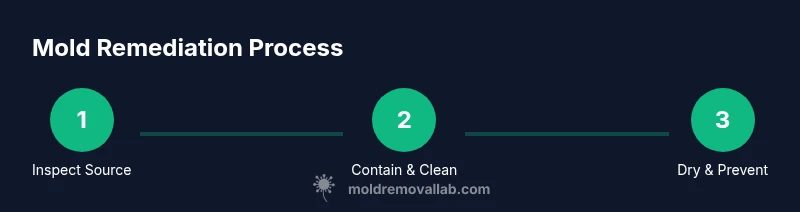
Begin with a thorough inspection of affected areas and identify likely moisture sources. Document extent with photos and map out the spaces that need attention. This helps prioritize cleanup and prevents missing hidden growth.
Tip: Take time-stamped photos and note exact locations to guide remediation priority. - 2
Protect yourself and others
Put on PPE before touching any mold; consider a disposable suit if contamination is extensive. Keep children and pets away from the work area and avoid disturbing settled spores.
Tip: Ensure proper fit of the respirator and goggles before starting. - 3
Contain the affected area
Seal the room with plastic sheeting to prevent spores from migrating to other spaces. Close doors and use negative pressure if possible. This step minimizes secondary contamination.
Tip: Use tape to seal gaps around the containment and create a dedicated waste path. - 4
Stop the moisture source
Repair leaks, fix drainage issues, and address condensation problems. Without moisture control, mold will return even after cleanup.
Tip: Record the moisture source repair details for future reference. - 5
Clean non-porous surfaces
Wash hard surfaces with detergent and water or an EPA-registered cleaner. Rinse and dry thoroughly to remove surface spores. Use the HEPA vacuum for dry-lusting after cleaning to reduce residual dust.
Tip: Always dry the surface completely before moving on. - 6
Handle porous materials
Porous materials with mold growth (drywall, insulation, fabric) may require removal and disposal if growth is extensive. If salvageable, clean with care and ensure full drying.
Tip: In cases of deep growth, disposal is often safer than cleaning. - 7
Dry area thoroughly
Run dehumidifiers and fans to reduce humidity below 60%. Continue drying for 24-72 hours or until materials stay dry to the touch and moisture readings stabilize.
Tip: Monitor relative humidity with a hygrometer in multiple locations. - 8
Restore and monitor humidity
Once dry, keep humidity in check and recheck areas over the next weeks. Ensure proper ventilation in bathrooms, kitchens, and laundry spaces to preempt regrowth.
Tip: Set up a simple monthly check routine for moisture and vents. - 9
Document remediation and plan prevention
Keep a record of what was cleaned, what was removed, and moisture-control measures implemented. Use this as a prevention plan and to guide future maintenance.
Tip: Schedule annual moisture audits in high-risk areas.
FAQ
What is the difference between mold and mildew?
Mold and mildew are both fungi, but mold colonies can penetrate porous materials and cause deeper damage, while mildew typically grows on surfaces and is easier to clean. Mold can produce stronger odors and may pose greater health risks in some environments. Proper remediation focuses on moisture control as well as physical removal.
Mold can penetrate porous materials and may be harder to remove, while mildew stays on surfaces and is usually easier to clean. Moisture control is key to both.
Can I remove mold myself?
Small, localized mold on non-porous surfaces can often be cleaned safely with proper PPE and containment. Large areas, porous materials, or mold near HVAC systems should be evaluated by a professional to reduce health risks and ensure complete remediation.
Small mold in easy-to-clean areas can be DIY with caution; larger or porous mold should be handled by a pro.
Is bleach effective for mold remediation?
Bleach can be effective on hard, non-porous surfaces, but it does not reach mold roots within porous materials. For porous materials or extensive growth, professionals often use specialized cleaners and disposal methods. Always follow label directions and ventilation recommendations.
Bleach works on hard surfaces, but it doesn't always reach mold roots in porous materials, so it isn't a universal solution.
How long does remediation take?
Time varies with the extent of growth and moisture. Minor cleanups may take hours; larger jobs can require 1-3 days or more, including drying and monitoring steps. A professional assessment provides a more precise timeline based on your space.
It depends on how extensive the mold is and how long it takes to dry the area after cleanup.
Should I test for mold after remediation?
Post-remediation testing is optional for small, well-contained jobs. Professionals may recommend air and surface testing after major remediation to confirm the area is mold-free. Ongoing moisture monitoring is often more important for long-term success.
Post-remediation testing is not always necessary, but it can help confirm the area is mold-free after a major job.
What should I do if mold symptoms persist?
If symptoms persist after remediation, recheck moisture sources, verify the area is thoroughly dried, and consider a follow-up assessment by a mold professional. Health conditions may require medical advice as well.
If symptoms persist, recheck moisture and consider a follow-up professional assessment.
Watch Video
The Essentials
- Identify moisture sources before remediation.
- Use proper PPE and containment to prevent spread.
- Differentiate cleaning methods for porous vs non-porous materials.
- Dry thoroughly and monitor humidity to prevent regrowth.
- Know when to DIY vs hire a pro and document your process.