How to Get Rid of Mold on Walls
Learn safe, step-by-step strategies to remove mold from walls, fix moisture sources, and prevent regrowth. Practical guidance for homeowners and renters from Mold Removal Lab.


Goal: learn how to remove mold from walls safely and effectively. You’ll identify moisture sources, seal off the area, clean with proven methods, dry completely, and reinforce moisture controls to prevent recurrence. This guide provides a clear, step-by-step plan for homeowners and renters.
What causes mold on walls and why it matters
Mold on walls is usually a symptom of excess moisture. Water intrusion, high humidity, condensation, or leaks create a damp environment that mold spores can exploit. Mold growth appears as green, black, or gray patches and often carries a musty odor. Left untreated, it can degrade building materials, trigger allergies, and pose health risks for vulnerable groups.
According to Mold Removal Lab, moisture control remains the most effective way to stop mold from returning. The Mold Removal Lab team emphasizes that addressing the root cause is essential; cleaning without moisture management only provides a temporary fix. When you know what to look for—soft walls, bubbling paint, or persistent damp spots—you can intervene earlier and save money on bigger remediation later.
This article translates that insight into actionable steps you can take at home, with attention to surfaces, cleaners, and habits that prevent future outbreaks. For homeowners and renters alike, quick wins include fixing leaks, improving ventilation, and maintaining indoor humidity around 30–50%. Small steps can yield big results over time.
Safety gear and containment before you start
Before you touch mold, assemble PPE: a disposable respirator or N95, protective goggles, gloves, and clothing you can launder or discard. Mold spores can irritate eyes, skin, and lungs, and disturbing the growth increases aerosolization. Seal off the affected area with plastic sheeting and use painter’s tape to create a clean barrier at door thresholds and vents.
If you’re cleaning a large area or if anyone in the home has respiratory issues, consider a portable air purifier with a HEPA filter and keep doors closed during work. Ventilation is important, but you don’t want to push spores into adjacent spaces. When you finish, carefully remove PPE, bag contaminated materials, and wash your hands and face thoroughly. Never mix cleaners, and never dry brush moldy surfaces, which can release spores into the air.
Prerequisites: fix moisture source and humidity control
The most important prerequisite is addressing the moisture source. Look for leaks in roofing, plumbing, or walls, and repair promptly. Ensure gutters and downspouts direct water away from the foundation. After addressing the leak, reduce indoor humidity using a dehumidifier and air circulation. Use a hygrometer or smart thermostat sensor to keep humidity in a safe range. If you can, ventilate bathrooms, kitchens, and laundry areas with exhaust fans or by opening windows when feasible. These steps reduce the conditions mold needs to thrive and lower the risk of recurrence.
Mold thrives in damp environments, so the goal is to bring humidity levels to a comfortable, stable range. This reduces the chance that residual spores will reestablish growth after cleaning. Remember: even a small moisture source can sustain mold; the real work is in eliminating that source and maintaining steady indoor conditions for the long term.
Cleaning methods for walls: DIY options
Surface type largely dictates the cleaning approach. Non-porous surfaces (tile, painted metal) respond well to detergents and antimicrobial solutions, while porous materials (drywall, plaster) may require material removal. A common, homeowner-friendly option is a detergent-and-water wash followed by an optional mold-killing treatment like white vinegar or hydrogen peroxide. Avoid mixing cleaners—especially bleach and ammonia—as this can create harmful gases.
For painted walls, start with a mild detergent solution and a soft sponge, wiping from top to bottom. If mold persists, apply white vinegar (undiluted or diluted with water) and let it sit for several minutes before wiping again. Hydrogen peroxide (3%) can be applied as a spray, left for 10–15 minutes, then wiped off. On porous materials with deep-seated growth, removal and replacement of material may be necessary. After cleaning, ensure the surface is completely dry before applying any sealant or paint.
Bleach can be effective on non-porous surfaces, but it is not a cure-all and can damage some materials. Always test a hidden area first and never mix bleach with ammonia or acidic products. For stubborn or keratin-rich growth, professional-grade cleaners or professional remediation may be warranted. After cleaning, monitor the area for signs of moisture intrusion and recheck humidity regularly.
When to call a professional and what to expect
DIY removal is often feasible for small, contained areas. If the mold covers a large area, returns after cleaning, or involves HVAC systems, wood framing, or behind walls, it’s prudent to call a professional. A qualified mold remediation contractor can assess structural damage, identify hidden moisture sources, and provide a comprehensive remediation plan that minimizes disruption. The process typically includes containment, removal of damaged materials, cleaning of surrounding surfaces, drying, and verification that mold is no longer present.
When you hire a pro, ask about credentials, inspection methods, and the scope of work. A transparent contractor should provide a written plan, a timeline, and post-remediation verification results. Expect a tailored approach based on the extent of growth and the materials involved. Early coordination with your insurer or landlord can help with coverage and scheduling.
Preventing mold recurrence: long-term strategies
Prevention is the hinge on which lasting mold control turns. Maintain stable humidity levels, promptly address leaks, and ensure good air exchange. Roofing, plumbing, and window seals should be inspected at least seasonally. Use exhaust fans in moisture-prone spaces and consider an air purifier with a HEPA filter if you have sensitive individuals in the home. Regular inspections of hidden areas, such as basements and crawl spaces, can catch problems before they become visible. Finally, choose mold-resistant products for repainting or remodeling, and seal porous materials when feasible. By combining moisture control, diligent cleaning, and proactive maintenance, you minimize the chance of mold returning on walls over time.
Tools & Materials
- Disposable N95 respirator(Fit-tested if possible; ensure proper seal.)
- Protective goggles(ANSI Z87.1 or equivalent.)
- Nitrile gloves(Chemical resistant and durable.)
- Coveralls or old clothing(Change after use to avoid carrying spores.)
- Plastic sheeting (6 mil or thicker)(To seal off the work area.)
- Painter’s tape(For creating clean barriers.)
- Bucket, sponge, and scrub brush(For cleaning solutions and scrubbing surfaces.)
- Spray bottle(For applying solutions evenly.)
- Mild dish detergent(For initial cleaning.)
- White vinegar (5% acidity)(Mold-killing option for non-porous surfaces.)
- Hydrogen peroxide 3%(Alternative mold treatment; apply and wait 10–15 minutes.)
- Bleach (sodium hypochlorite)(Only for non-porous surfaces; never mix with ammonia.)
- Dehumidifier(Reduces moisture to aid drying.)
- Box fan or air mover(Improves air circulation for faster drying.)
- Mold-resistant paint/primer(Apply after area is completely dry.)
- Replacement drywall/patch material(Needed if drywall is damaged beyond cleaning.)
Steps
Estimated time: Total estimated time: 2-6 hours depending on the area and material involved.
- 1
Identify moisture source and scope
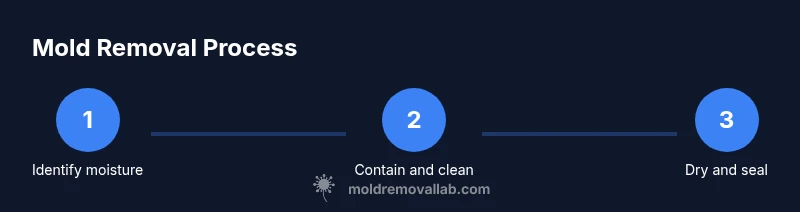
Inspect areas around the mold to locate leaks, condensation points, or high humidity. Document the extent of visible growth to plan containment and cleaning priorities. This step reduces the chance of recurrence by targeting the root cause.
Tip: Take photos before and after to track changes and verify progress. - 2
Prepare containment and PPE
Seal the room with plastic sheeting; set up barriers to prevent spore spread. Don PPE before touching mold: respirator, goggles, gloves, and protective clothing. Ventilate cautiously to avoid pushing spores into other spaces.
Tip: Use a tight seal around doors and vents to minimize cross-contamination. - 3
Gently remove loose surface mold
Wipe or brush away loose mold with a damp cloth or sponge; avoid dry brushing as it disperses spores. Work from top to bottom and from clean to dirty areas. Dispose of contaminated cloths in a sealed bag.
Tip: Do not aggressively scrub; damp methods reduce airborne spores. - 4
Clean affected surfaces with detergent
Mix a mild detergent with water and scrub painted or non-porous surfaces. Rinse with clean water and towel-dry. For stubborn spots, apply white vinegar and let it sit briefly before wiping.
Tip: Test a hidden area first to ensure paint or finish won’t be damaged. - 5
Apply a mold-killing treatment
Apply hydrogen peroxide or vinegar to the treated surfaces and let it dwell for 10–15 minutes. Wipe away residues and allow to dry completely before proceeding.
Tip: Do not mix cleaners; use one treatment per area. - 6
Address porous materials
If drywall, insulation, or wood show deep mold penetration, consider removing and replacing affected sections. Clean surrounding studs and framing if exposed. Reassess moisture sources after removal.
Tip: Porous materials with deep growth typically require replacement. - 7
Dry thoroughly
Run a dehumidifier and fans to achieve complete dryness. Mold requires moisture to thrive, so drying should continue until humidity is consistently low in the area.
Tip: Check nearby rooms—water can migrate through walls during drying. - 8
Seal and repaint (if appropriate)
Once dry, apply a mold-resistant primer and paint to sealed surfaces. This reduces the chance of future growth and improves long-term aesthetics.
Tip: Let paint cure fully before reoccupying the space. - 9
Monitor and maintain humidity
Keep indoor humidity in a safe range (roughly 30–50%). Address new leaks promptly and inspect the area seasonally for early signs of moisture.
Tip: Install a humidity monitor or smart thermostat sensor for ongoing awareness. - 10
Evaluate a professional option
If growth is extensive, recurs after remediation, or involves structural components, consult a certified mold remediation contractor for a comprehensive solution.
Tip: Ask about credentials, insurance, and a written remediation plan.
FAQ
What is the first step to remove mold on walls?
Begin by identifying and fixing the moisture source. Without moisture control, mold is likely to recur even after cleaning.
Start with moisture source and containment before cleaning.
Can bleach effectively kill mold on walls?
Bleach can kill surface mold on non-porous surfaces, but it is less effective on porous materials like drywall. Never mix with ammonia.
Bleach works on hard, non-porous surfaces but not on porous materials.
When should I call a professional for mold on walls?
If growth covers large areas, recurs after cleaning, or involves structural components, a professional remediation contractor is recommended.
Call a pro when mold seems widespread or keeps coming back.
Is mold removal dangerous to health?
Mold exposure can irritate airways and trigger allergic reactions. Use proper PPE and follow safety guidelines during cleanup.
Mold can affect health; protect yourself during cleanup.
How long does remediation take in typical cases?
For small areas, remediation can be completed in a day or two. Larger projects or replacements may take longer.
Most small jobs finish in a couple of days, larger ones take longer.
Will mold return after cleaning if moisture is not controlled?
Yes. If moisture sources aren’t addressed, mold is likely to return over time even after cleaning.
Without moisture control, mold often comes back.
Watch Video
The Essentials
- Identify moisture sources before cleaning
- Contain the area to prevent spore spread
- Choose appropriate cleaners by surface type
- Dry thoroughly before repainting or sealing
- Maintain humidity control to prevent recurrence