How to Fix Moldy Soil: A Practical Guide for Homeowners
Learn safe, practical steps to diagnose and fix moldy soil in gardens and pots. This guide covers removal, sanitation, moisture control, and soil reconditioning to protect plants and household health.


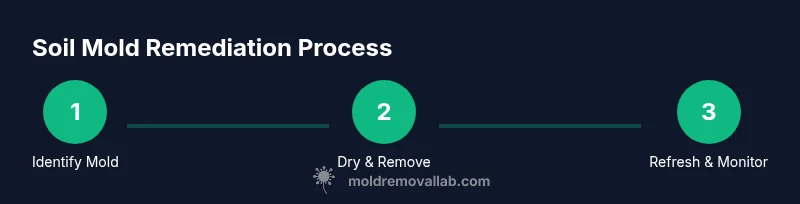
By following practical steps, you can stop mold from spreading in your soil and restore healthy growing conditions. This guide covers diagnosing moldy soil, safe cleanup, moisture management, and soil reconditioning for gardens and potted plants. Start by removing moldy material, drying the area, and planning a soil refresh. According to Mold Removal Lab, proper steps reduce exposure risk and improve soil health.
Understanding mold in soil: risks and causes
Mold in soil is not just an aesthetic problem; it's a sign of excess moisture and organic matter breakdown that can create spore-rich environments. Left untreated, mold can weaken plant roots, reduce nutrient uptake, and increase indoor air exposure if soil is used indoors. According to Mold Removal Lab, moldy soil often indicates chronic dampness, poor drainage, or overwatering. In outdoor gardens and indoor pots, climate, humidity, and soil materials all influence mold growth. Recognizing the signs—fuzzy colonies on surface, musty odor, discolored patches—helps you intervene before the problem spreads. Understanding the cycle of moisture, temperature, and organic debris is essential to choosing effective remediation methods that protect both your plants and household health.
Diagnosing mold in soil: signs and verification
Before you start remediation, confirm that mold is the issue and assess the extent. Common signs include fuzzy or powdery growth on the soil surface, dark or greenish patches, and a persistent musty aroma. Soils that stay wet for extended periods or drain poorly are especially prone to mold development. For containers, inspect 2- to 3-inch soil layers and roots for rot or unusual discoloration. A quick moisture check and visual scan can help you tailor your remediation plan and irrigation adjustments to prevent recurrence.
Health and safety considerations
Handling moldy soil can release spores into the air, which may irritate eyes, skin, and lungs. Always wear PPE: gloves, eye protection, and a properly fitted mask; perform cleanup in a well-ventilated area. Keep children and pets away during remediation, and avoid composting moldy soil or mixing it with healthy soil. After cleanup, thoroughly wash tools and any surfaces that contacted moldy soil. If you have a history of mold sensitivities or respiratory issues, consider professional guidance even for small projects.
Soil remediation strategies: when to DIY vs when to call a pro
DIY remediation works well for small containers and minor mold growth on the surface. Start with removal of contaminated material, thorough drying, and top‑layer soil refreshment with sterile mix. For larger beds, persistent mold, or extensive root rot, a professional remediation service may be warranted to prevent spread and ensure safety. Solarization with clear plastic can reduce spores in outdoor soil, but it requires sun, time, and protection for nearby plants. Throughout, avoid aggressive chemical treatments that disrupt beneficial microbes and soil structure.
Rebuilding healthy soil after remediation
Once the mold is controlled, focus on restoring soil structure and microbial balance. Use sterile topsoil or fresh potting mix for containers, and amend garden beds with well-composted organic matter in moderate amounts. Improve drainage by incorporating perlite or coarse sand for heavy soils and by creating raised beds where feasible. Establish a steady watering routine that keeps soil evenly moist but not waterlogged. Finally, monitor for several weeks and adjust irrigation as needed to prevent a relapse.
Tools & Materials
- Nitrile gloves(Size M or L; worn during handling)
- Safety goggles(Protect eyes from dust and spores)
- N95 respirator(Block fine particles; replace as needed)
- Trowel or scoop(For removing moldy soil)
- Plastic bags (heavy-duty)(Seal and dispose of contaminated soil)
- Sterile topsoil/potting mix(Use fresh mix for remediation)
- Clear plastic sheeting (6-10 mil)(For soil solarization outdoors)
- Moisture meter (optional)(Helps maintain ideal moisture levels)
- Garden rake or fork (optional)(Aerate soil after remediation)
Steps
Estimated time: 2-6 weeks, depending on climate, scale, and method
- 1
Identify and remove moldy material
Spot mold in soil or patches of damp, discolored soil. Remove the affected material from pots or the top layer of garden beds, using a trowel. Place contaminated soil in a sealed bag and dispose of it according to local guidelines to prevent spreading spores.
Tip: Seal bags immediately; avoid adding contaminated soil to compost. - 2
Dry and aerate the remaining soil
Spread soil to maximize surface area and promote drying. Use a garden fork to break up clumps and improve airflow. Move containers to a sunny, well-ventilated area if possible while avoiding heat stress for plants.
Tip: In containers, rotate pots to ensure even drying; this reduces hotspots where mold thrives. - 3
Solarize outdoor soil (where feasible)
For garden beds, lay clear plastic over the soil to trap heat and kill surface mold spores. Leave in place for 2–6 weeks, depending on sun exposure. Seal edges to minimize heat loss and ensure the area remains free of new plants during treatment.
Tip: Keep paths clear of the plastic to prevent accidental damage or tripping. - 4
Refresh the soil with clean materials
Remove the top contaminated layer as needed and replace with sterile topsoil or fresh potting mix. Lightly blend in compost in small amounts for nutrients, but avoid overloading the mix to prevent re-wetting. Ensure the new mix drains well and supports root growth.
Tip: Do not reuse moldy soil or contaminated pots; sanitize pots before reuse. - 5
Improve drainage and aeration
Amend heavy soils with perlite, coarse sand, or organic matter to boost drainage. For containers, ensure drainage holes are clear and use a potting mix designed for good drainage. Consider raised beds or improved bed grading to prevent standing water.
Tip: Consistent aeration helps roots access oxygen and reduces mold-friendly moisture. - 6
Monitor moisture and reintroduce plants gradually
Check soil moisture daily for the first 2–4 weeks; water only when the surface dries. Observe plants and soil for any recurring mold signs. Reintroduce plants gradually, starting with drought-tolerant species and increasing irrigation only as the soil stabilizes.
Tip: A moisture meter can help keep soil from staying wet too long.
FAQ
Can mold in soil harm my health?
Yes, mold spores can irritate eyes, skin, and lungs, especially for sensitive individuals. Use PPE and ensure good ventilation during cleanup.
Mold in soil can affect health; protect yourself with PPE and ventilation during cleanup.
Is it safe to DIY mold remediation in soil?
DIY remediation is often safe for small-scale mold in soil when you follow proper steps and PPE. For large areas or persistent mold, consider professional help.
DIY can work for small patches, but call a pro for bigger problems.
Should I replace all soil or just the affected portion?
If mold is confined to the top layer (about 2–4 inches), you can replace that portion. Extensive contamination may require replacing larger sections or the entire container/bed.
If mold spreads, replace more soil or the entire container.
Can household cleaners like bleach or vinegar kill mold in soil?
Bleach and most household cleaners are not recommended for soil; they can harm beneficial microbes and may not reach all mold. Use remediation methods that preserve soil health instead.
Bleach isn't ideal for soil remediation.
How long does it take to fix moldy soil in a garden bed?
Remediation typically takes 2–6 weeks depending on climate, scale, and method. Drying, solarization, and soil refreshment all require time to become effective.
Most garden bed fixes take a few weeks.
Should I test soil after remediation?
Post-remediation testing helps confirm control of mold spores and healthy moisture balance. For detailed results, consider a soil test from a local extension service.
Testing after remediation helps confirm success.
Watch Video
The Essentials
- Assess mold extent and remove contaminated soil.
- Dry, aerate, and refresh soil with clean material.
- Improve drainage to prevent recurrence.
- Monitor moisture and reintroduce plants gradually.