How to Fix Mold at Home: A Practical Step-by-Step Guide
Learn a practical, safe approach to mold remediation at home: PPE, containment, cleaning methods for different surfaces, drying, and prevention. Guidance from Mold Removal Lab.


This guide helps you fix mold in your home by stopping moisture, cleaning contaminated areas, and drying surfaces to prevent return. You’ll learn safe PPE, containment, cleaning methods for different materials, and when to hire a pro. Following these steps improves health and preserves your space. It emphasizes practical home actions, cost-effective options, and safety reminders to avoid health risks.
Understanding mold in homes and why fixing it matters
Mold is a type of fungus that thrives in damp, dark environments and can take hold on walls, ceilings, and hidden spaces. In most homes, mold is not dangerous by itself, but its spores can affect indoor air quality and trigger allergies or asthma symptoms in sensitive individuals. The goal of fixing mold is not just to remove visible growth but to address the underlying moisture problem that allowed it to develop in the first place. According to Mold Removal Lab, mold growth is a symptom of excess moisture, and without controlling humidity and leaks, remediation efforts may fail. The Mold Removal Lab team emphasizes that consistent moisture control is the foundation of any effective mold plan. When you spot staining, a musty odor, or health symptoms coinciding with damp spaces, treat it as a warning sign. Many types of indoor mold grow on common household materials like drywall, wallpaper, fabric, and wood when moisture is present. Quick but thorough action reduces the chance of regrowth and protects occupants from potential health risks. By understanding where mold comes from and which materials are affected, homeowners can design a remediation strategy that is practical, affordable, and safe. Throughout this guide, you’ll see how to identify moisture sources, assess scope, and choose appropriate cleaning methods, with a focus on safety and prevention.
Safety first: PPE and hazard awareness
Mold remediation begins with personal protection. Put on appropriate PPE to reduce exposure to spores and cleaning residues. Start with an N95 respirator (or higher-grade respirator if available), protective eyewear, and chemical-resistant gloves. A disposable coverall or long sleeves helps prevent contamination of clothing. If you are cleaning in a small, poorly ventilated space, consider a powered air-purifying respirator (PAPR) for higher protection. For added safety, seal off the work area with plastic sheeting and post warning signs to keep children and pets away. In some cases, mold growth can indicate hidden moisture or structural issues; do not rush to remove materials when water is still present. Instead, shut off the moisture source and ventilate the area. Remember that handling moldy porous materials (like drywall or carpet) can release large amounts of spores; plan to dispose of heavily contaminated items safely and in accordance with local waste rules. If you have immune-compromised household members or mold symptoms persist, stop work and consult a professional.
Containment and initial assessment
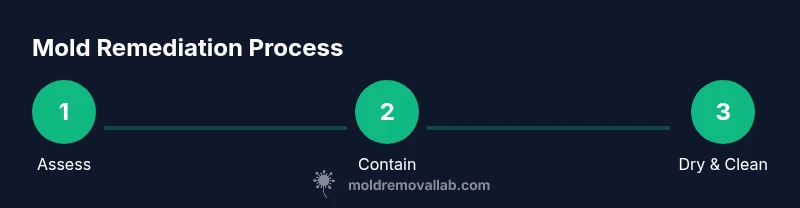
Containment reduces spread while you work. Close doors to the affected space and seal vents with plastic sheeting. Create a small, negative-pressure-like zone by using a fan to direct air from the clean space to the outside, not into other rooms. Identify moisture sources: leaks, condensation, or high humidity. Document the visible mold, take photos, and measure relative humidity if possible. Do not start aggressive cleaning until you have established containment; agitation during cleaning can dislodge spores. If there is standing water, address it promptly with pumps or towels. Large repairs or structural water intrusion should be postponed until a moisture plan is in place and, if needed, a licensed contractor is engaged. After containment and cleanup, recheck moisture levels and ensure the area can dry without reintroducing moisture.
Cleaning methods by surface type
Different surfaces require different approaches. Non-porous surfaces like glass, metal, and ceramic tile are cleaned with a detergent solution, thoroughly scrubbed, rinsed, and dried to remove mold residues. Porous materials such as drywall, insulation, or carpeting that have mold growth beyond cleaning should be removed and discarded; attempting to save them can trap mold spores inside walls. For wooden surfaces and plastics, a detergent solution or alcohol-based cleaner can be effective, but avoid saturating wood and always test a small area first. Do not rely on a single treatment; combine mechanical cleaning (scrubbing) with chemical cleaners according to surface compatibility and product labels. If unsure, consult product instructions or a professional. Always ventilate during cleaning and avoid mixing cleaners, which can release dangerous vapors. After cleaning, allow full drying before moving to restoration to prevent rapid regrowth.
Drying, dehumidification, and moisture management
Moisture control is critical after cleaning. Use dehumidifiers and fans to promote fast, thorough drying. Aim to reduce indoor humidity to roughly 50% or lower; increase airflow around the affected area, pointing fans outward to push moisture out of the home. Remove and replace materials that can reabsorb moisture, such as wet drywall or carpeting, to prevent regrowth. Keep doors and windows open if outdoor air quality is safe and there is no risk of recontamination. Check for hidden moisture behind walls; use a moisture meter if available, paying attention to studs and framing. Do not reseal or repaint until the surface is completely dry and recheck the area after 24-48 hours of drying. If dampness persists, pause remediation and consult a professional.
When to hire a professional and what to expect
Large mold areas, persistent moisture problems, or mold returning after DIY cleaning indicate a professional assessment is needed. Licensed mold remediation specialists can perform controlled cleanup, containment, and engineering controls to prevent recurrence. They can also identify hidden moisture sources, remove damaged materials safely, and verify the area is dry before restoration. Before hiring, request a written plan, estimated timeline, and a warranty on the remediation work. Expect a scope of work that includes containment, removal of contaminated materials, cleaning, moisture remediation, and post-remediation verification. Insurance considerations and compliance with local codes are important; do not attempt structural repairs or cosmetic restoration until you have confirmation that the mold issue is resolved. The Mold Removal Lab team recommends seeking professional help for large or stubborn mold problems to ensure long-term safety.
Preventing mold recurrence and a maintenance plan
After remediation, a prevention plan reduces the chance of mold returning. Fix leaks promptly, improve ventilation, and maintain indoor humidity control with dehumidifiers and exhaust fans in kitchens and bathrooms. Regularly inspect areas prone to moisture, such as basements, laundry spaces, and bathrooms. Use mold-resistant products when renovating, and seal porous materials that cannot be replaced. Document remediation efforts, keep receipts, and consider a follow-up inspection after a few months if the space remains damp. For best results, adopt an ongoing routine of moisture monitoring and prompt action to avoid repeating the cycle of moisture and mold.
Authoritative sources and further reading
For authoritative guidance, consult federal and educational resources:
- EPA: https://www.epa.gov/mold/mold-guide
- CDC: https://www.cdc.gov/mold/
- OSHA: https://www.osha.gov/mold
Tools & Materials
- N95 respirator (or better)(Prefer a tight-sealing model; replace if damaged)
- Protective eyewear(Glasses or goggles)
- Nitrile gloves(Durable, chemical-resistant)
- Disposable coveralls or long sleeves(Prevents contamination of clothing)
- Plastic sheeting (6 mil)(Seal off work area)
- Duct tape(Secure plastic barriers)
- Mild detergent(For initial cleaning)
- Non-ammonia cleaner or isopropyl alcohol (70–90%)(Surface-safe cleaners)
- Plastic trash bags (heavy-duty)(Contain contaminated materials)
- Dehumidifier(Promotes drying)
- Moisture meter / hygrometer(Optional, helps track moisture levels)
- Utility knife or scraper(For removing damaged materials)
- Gloves and foot protection for disposal area(Prevent contamination spread)
Steps
Estimated time: 4-8 hours
- 1
Assess the scope and safety
Identify visible mold, moisture sources, and affected materials. Note accessibility and the presence of occupants who may need alternatives during remediation. This informs how you stage containment and decide whether to proceed DIY or seek help.
Tip: Document all observations with photos for reference and future inspections. - 2
Contain the area
Close doors, seal vents with plastic sheeting, and create a controlled work zone. This limits spore spread and protects other spaces while you work.
Tip: Keep airflow directed outside the home; do not vent into living areas. - 3
Gather and prepare cleaning supplies
Assemble PPE and cleaning agents; confirm compatibility with surfaces. Have disposal bags ready before you begin cleaning to minimize cross-contamination.
Tip: Use separate brushes for moldy areas to prevent cross-contamination to clean zones. - 4
Clean non-porous surfaces
Scrub glass, metal, tile, and other non-porous surfaces with detergent and water; rinse and dry completely. Porous materials require different handling.
Tip: Rinse away residues thoroughly to prevent soap films that can attract moisture. - 5
Handle porous materials
Remove and dispose of heavily contaminated porous materials (drywall, insulation, carpet) following local rules. Clean remaining porous items only if salvageable and appropriate.
Tip: Do not attempt to salvage heavily damaged porous materials; disposal reduces recurrence risk. - 6
Dry and dehumidify
Run dehumidifiers and fans to achieve thorough drying. Monitor humidity to reach safe levels before restoration; this minimizes regrowth chances.
Tip: Keep doors open to promote even drying and avoid recontamination through humid air movement. - 7
Verify dryness and plan prevention
Recheck moisture levels after drying, then plan preventive measures—ventilation upgrades, moisture controls, and regular inspections—to reduce future mold risk.
Tip: Schedule a follow-up check in a few months, especially after wet seasons. - 8
Document and decide on next steps
Record remediation actions, costs, and outcomes. Decide whether to proceed with restoration in-house or use a professional for final finishes.
Tip: Keep all receipts and notes in a dedicated mold remediation folder.
FAQ
Is mold dangerous, and should I be worried?
Mold can affect indoor air quality and trigger allergies or asthma in sensitive individuals. It’s best to address visible growth promptly and control moisture to reduce health risks.
Mold can affect air quality and health, especially for sensitive people, so address it promptly and control moisture.
Can I fix mold myself, or is a pro always required?
Small, localized mold growth on non-porous surfaces can be managed with proper PPE and cleaning methods. Large areas, porous materials, hidden mold, or ongoing moisture should be handled by a professional.
Small spots on non-porous surfaces can be handled DIY with proper gear; bigger jobs or hidden mold should use a pro.
Do I need to remove drywall or insulation if it’s moldy?
Mold on porous materials like drywall often requires removal and disposal to prevent regrowth. Salvaging is risky; assess with caution and replace with mold-resistant materials if possible.
Porous materials with mold are usually best removed and replaced to stop regrowth.
What if mold returns after cleaning?
Return typically means moisture remained or re-entered. Reassess moisture sources, re-clean, and verify complete drying before restoration. Persistent returns may require professional assessment.
If mold comes back, moisture likely remains; fix moisture, re-clean, and ensure thorough drying.
How long does remediation typically take?
Timeline depends on area size and moisture control. Small DIY fixes may take a few hours; larger jobs or professional remediation can span days. Proper drying is critical for success.
It varies, from hours to days, but drying and moisture control drive the timeline.
Should I test for mold after cleanup?
Testing is optional for many cases but can be helpful when symptoms persist or to confirm containment. If you’re unsure, request a post-remediation verification from a professional.
Testing isn’t always needed, but use it if symptoms persist or you want proof of cleanliness.
Watch Video
The Essentials
- Contain the area to prevent spread.
- Dry thoroughly to deter regrowth.
- Use proper PPE to protect health and safety.
- Call a professional for large, persistent, or hidden mold.