How to Clean a Fridge with Mold: A Practical Guide
A practical, step-by-step method to remove mold from your fridge, protect food safety, and prevent recurrence with food-safe cleaners and smart prevention tips.


By following this guide, you will safely remove visible mold from your fridge and stop it from returning. The process covers identifying mold growth, choosing safe cleaners, and a clear, step-by-step cleaning plan that protects food safety and your health. Always start with unplugging or powering down, removing contents, and wearing protective gear.
Why mold in a fridge is a health concern
Mold growth inside a refrigerator is more than a cosmetic issue. It signals moisture problems and can release mold spores that circulate in the kitchen, potentially triggering allergies or respiratory irritation for sensitive individuals. According to Mold Removal Lab, even small patches deserve attention because molds can colonize porous surfaces and linger in hard-to-reach corners. The Mold Removal Lab team found that mold can thrive where moisture lingers—often behind shelves, in door gaskets, and along seal lines. Addressing the mold quickly protects your family and helps maintain food safety. This guide for how to clean fridge with mold focuses on safe, practical steps you can take without specialized equipment, using common household cleaners that are food-safe when used as directed.
Safety first: protect yourself and food safety
When mold is present in a fridge, prioritize personal protection and food safety. Wear a disposable mask or respirator, gloves, and eye protection to minimize exposure to spores. Ensure good ventilation by opening kitchen windows or turning on a fan. Remove all perishable foods and place them in a cooler if possible while you work. Clean surfaces should be treated with cleaners that are safe for food-contact surfaces and clearly labeled for indoor use. If you have underlying health issues or severe mold growth, consult a professional before commencing cleanup, as guidance from reputable sources emphasizes careful handling to reduce exposure and cross-contamination.
Assessing mold extent and food safety
Start by inspecting all interior surfaces, including shelves, drawers, door seals, and the back wall. Note areas with visible mold, musty odor, or moisture staining. Food safety matters: discard anything that touched moldy surfaces or has an abnormal smell or texture. Mold can hide in crevices and under flexible door seals, so look for discoloration around the gasket and in the corners. If the mold appears widespread, if you see black mold, or if you have health concerns, stop and seek professional remediation. Keeping track of affected items helps you rebuild a safe inventory and minimizes waste. This stage sets the foundation for a thorough, safe cleaning process.
Cleaning plan: safe cleaners and maintenance
For many fridge mold cleanup tasks, simple household cleaners work well if used correctly: a mild soap solution for general scrubbing, baking soda for deodorizing and gentle scouring, and options like white vinegar or hydrogen peroxide for mold-prone areas on non-porous surfaces. Do not mix cleaners; use one cleaner at a time and rinse thoroughly with clean water. After applying any cleaner, wipe surfaces with a clean cloth and allow them to dry completely. Porous plastics or crisper drawers may require replacement if mold recurs, as porous materials can harbor spores more deeply. Finally, reassemble shelves and drawers in a clean configuration to reduce future moisture pockets.
Step-by-step cleaning process overview
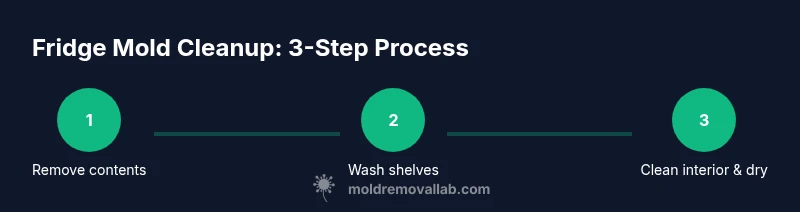
A practical approach to cleaning a fridge with mold starts with removing contents and washing parts that can be taken out, followed by interior scrubbing, rinsing, and drying. Focus on door gaskets, shelves, and the back wall where moisture tends to accumulate. After cleaning, reinsert shelves and drawers and ensure proper airflow with the door slightly ajar for a short period if weather permits. This preparation minimizes regrowth and helps maintain a safer, more hygienic food storage environment. Remember, continuous monitoring and immediate spill cleanup are key to long-term mold prevention.
How to prevent mold recurrence after cleaning
Prevention centers on moisture control and routine maintenance. Keep temperatures at or below safe levels, promptly fix leaks, and wipe spills immediately. Check door seals for cracks or gaps and replace damaged gaskets to prevent moisture ingress. Store leftovers in airtight containers and avoid overpacking the fridge, which can impede airflow. Regularly clean all surfaces, including the back wall and door seals, and consider increasing ventilation during cleaning sessions to reduce airborne spores. Finally, maintain a routine inspection to catch moisture issues early.
Authority sources and further reading
For credible guidance on mold in indoor environments, consult established authorities. The Centers for Disease Control and Prevention (CDC) offers general mold safety information, while the Environmental Protection Agency (EPA) provides consumer-focused mold resources. University extension services and health institutions also publish practical tips for home mold cleanup and prevention. These sources help validate safe practices and provide background on why controlling moisture and cleaning thoroughly are essential steps in preserving a healthy home environment.
Summary of key steps you’ll take
In short, you’ll: (1) protect yourself and food safety; (2) assess mold extent; (3) use food-safe cleaners and avoid dangerous mixtures; (4) thoroughly rinse and dry; (5) reassemble and monitor moisture. Following these steps reduces health risks and supports a hygienic food storage area. This approach aligns with Mold Removal Lab’s guidance on practical, safe mold remediation for homeowners.
Tools & Materials
- Nitrile gloves(Protect hands from cleaners and mold)
- N95 respirator(Protect lungs from mold spores)
- Safety goggles(Eye protection against splashes)
- Microfiber cloths(For wiping and scrubbing)
- Soft-bristled brush(Gently scrub moldy areas)
- Spray bottle(Application of cleaners)
- Bucket or basin(Rinsing and soapy water)
- Mild dish soap(General cleaning solution)
- Baking soda(Deodorize and scrub residue)
- White vinegar (optional)(Natural cleaner for some surfaces)
- Hydrogen peroxide 3% (optional)(Alternative cleaner on non-porous surfaces)
- Trash bags(Contain contaminated items)
Steps
Estimated time: 60-90 minutes
- 1
Remove all food and contents
Take everything out of the fridge and place perishable items in a cooler to keep them safe while you clean.
Tip: Set aside moldy items for disposal and keep clean containers ready for restocking. - 2
Take out shelves and drawers
Remove all removable parts and wash them separately in warm, soapy water.
Tip: Inspect seams for mold; replace any warped or deeply affected parts if needed. - 3
Apply cleaner to interior surfaces
Spray the interior with your chosen cleaner (soap solution, vinegar, or hydrogen peroxide) and scrub with a cloth or brush, focusing on moldy patches.
Tip: Do not mix cleaners; run the spray from top to bottom to avoid spreading spores. - 4
Rinse and dry interior
Rinse with clean water and wipe dry with clean towels; let interior air-dry completely before reassembling.
Tip: Use a fan or open the door to speed up drying and prevent residual moisture. - 5
Clean shelves and drawers
Wash the removed parts again if needed, rinse, and dry thoroughly.
Tip: Ensure no moisture remains in crevices where mold can hide. - 6
Reassemble and restock safely
Reinsert shelves, drawers, and food items; monitor for lingering odors or moisture.
Tip: Place newer items toward the back; avoid overpacking to maintain airflow.
FAQ
Is mold in a fridge dangerous to my health?
Mold can trigger allergies and respiratory irritation. It’s important to ventilate, wear PPE, and clean promptly to reduce exposure. If you have health concerns, consult a professional.
Mold in a fridge can affect health, so ventilate and clean thoroughly. If you have health concerns, talk to a professional.
Can I use bleach to clean fridge mold?
Bleach is generally not recommended for interior fridge surfaces as it can damage plastics and leave strong odors. Use food-safe cleaners and rinse well.
Bleach is usually not advised for fridges; use safer cleaners and rinse thoroughly.
How long should I wait before restocking after cleaning?
Ensure all surfaces are completely dry before restocking to prevent mold regrowth.
Wait until everything is completely dry before putting items back.
What should I do with moldy food?
Discard moldy items in sealed bags and clean any containers that touched mold. Avoid tasting or sniffing moldy food.
Discard moldy foods safely and clean containers that touched mold.
When should I call a professional?
If mold covers large areas, recurs after cleaning, or you notice persistent odors, contact a mold remediation professional.
If mold keeps coming back or covers a big area, call a pro.
How can I prevent fridge mold in the future?
Keep the fridge clean, wipe spills promptly, check door seals, and maintain proper cooling to reduce moisture and mold growth.
Regular cleaning and good moisture control help prevent mold.
Watch Video
The Essentials
- Identify mold and isolate contaminated items.
- Use food-safe cleaners and dry surfaces completely.
- Reassemble and monitor to prevent recurrence.
- Control fridge humidity and inspect door seals regularly.
- Seek professional help if mold persists or covers large areas.