How to Remove Black Mold from Your Refrigerator Safely
Learn to safely remove black mold from your refrigerator and prevent recurrence with practical cleaning steps, PPE tips, moisture control, and safe disposal.


According to Mold Removal Lab, you can safely address black mold fridge concerns by stopping contamination, cleaning thoroughly, and improving humidity control. Start by isolating the unit, removing contaminated items, and wearing PPE. Then clean all interior surfaces with a mold-safe cleaner, rinse, dry, and monitor humidity to prevent recurrence.
Understanding the Risk: Black Mold in Refrigerators
Black mold in a refrigerator is more than a surface nuisance; it signals lingering moisture and organic matter that can support mold growth in temperatures that usually slow microbial activity. Though refrigerators are designed to keep foods cold, condensation, spills, and imperfect seals create microenvironments where mold can thrive. In many homes, the first sign is a musty odor or visible spots along shelves, door edges, or gaskets. According to Mold Removal Lab, rapid containment and thorough cleaning are essential to prevent spores from spreading to foods or other surfaces. Recognizing the risk and acting quickly minimizes exposure, protects your family, and lowers the chance of recurrent growth.
Causes and warning signs
Mold growth inside a fridge is typically driven by persistent moisture, nutrient residues (food particles), and temperature fluctuations that encourage surface colonization. Condensation on cool surfaces, leaks from cracked door seals, and forgotten items that stay damp are common triggers. Warning signs include: a persistent musty smell, dark or fuzzy spots on shelves or gaskets, moisture on the interior walls after cleaning, and unusual slime or dark patches around crisper drawers. Based on Mold Removal Lab Analysis, 2026, moisture control is a key predictor of mold recurrence in cold storage units. Early detection and prompt cleaning interrupt the mold life cycle and reduce exposure risk.
Health implications and safety considerations
Exposure to mold spores can cause allergic reactions, coughing, throat irritation, and, in some individuals, asthma-like symptoms. People with weakened immune systems, the elderly, and young children are more susceptible to adverse effects. When dealing with black mold in a fridge, it's important to minimize spread by sealing contaminated waste in plastic bags, using a dedicated cleaning cloth, and vacuuming with a HEPA-equipped device if available. Always prioritize safety over speed: wear gloves, a mask, and eye protection, and avoid stirring spores into the air. This guidance aligns with general health and safety best practices for mold remediation in residential settings.
Tools and safety precautions
Before starting, assemble essential PPE and cleaning materials. Wear nitrile gloves, an N95 respirator or higher, goggles, and long sleeves to reduce skin and eye exposure. Use a dedicated microfiber cloth and a disposable bag for contaminated items. Choose a mold cleaner that is EPA-registered or a proven DIY option like vinegar in a diluted form, and always avoid mixing cleaners (for example, never mix ammonia with bleach). Clear the area of other people and pets, and ensure proper ventilation. Keep a bucket and spray bottle handy, and have plenty of disposal bags ready for sealed container waste.
Cleaning options: DIY vs professional
DIY cleaning with approved cleaners can be effective for small, contained mold growth. If the mold covers a large area, has penetrated into insulation, or keeps reappearing after cleaning, professional remediation is recommended. Mold Removal Lab Analysis, 2026 emphasizes that persistent mold requires specialized containment and equipment. For kitchen environments, a proactive approach—addressing moisture sources and routinely cleaning surfaces—often prevents mold from returning. Always document the area cleaned and the steps you took to create a traceable record should a professional evaluation be needed.
Step-by-step remediation plan (overview)
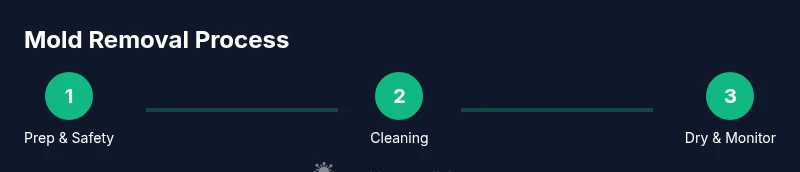
This section provides an overview of the remediation flow. You’ll find the detailed, numbered steps in the dedicated STEP-BY-STEP block below. The plan emphasizes safety, thorough cleaning, surface drying, moisture mitigation, and prevention strategies to reduce recurrence. The goal is to remove all visible mold, eliminate spores in the interior, and set up ongoing controls that keep moisture in check.
Maintaining fridge after cleanup
Post-cleanup, regular maintenance is essential. Wipe down shelves, door gaskets, and interior walls weekly to catch spills early. Ensure the door seals tightly, fix leaks promptly, and consider a small dehumidifier in high-humidity homes or during humid seasons. Clean up any condensation promptly and store foods in sealed containers to minimize residue. Maintaining a clean, moisture-controlled environment helps prevent future growth and protects food safety.
Common myths vs facts
Myth: Mold can be cleaned away completely with soap and water alone. Fact: Mold often requires more thorough cleaning with mold-specific cleaners and proper drying, especially when spores are present behind seals and shelves. Myth: If you can’t see it, it isn’t there. Fact: Hidden mold behind panels or in insulation also poses risks and should be evaluated if growth is suspected. Myth: Fridges are sterile environments. Fact: Refrigerators provide moisture-rich microhabitats that can sustain mold if not properly managed.
Troubleshooting and disposal considerations
If you notice persistent odor, recurrent mold after cleaning, or visible growth again after a short period, reassess moisture sources, seals, and drainage. Contaminated items should be discarded in sealed bags, and any porous materials that cannot be thoroughly cleaned should be replaced. When in doubt, err on the side of caution and seek professional help. Dispose of used cleaning materials and rags in sealed bags to prevent spreading spores.
Tools & Materials
- Nitrile gloves(Disposable, chemical resistant)
- N95 respirator or higher(Protects from inhaling spores)
- Goggles(Eye protection)
- Long-sleeve clothing(Protect skin)
- Microfiber cloths(For wiping surfaces)
- Spray bottle(Dilute cleaners or water)
- Bucket(Contain waste and rinse water)
- EPA-registered mold cleaner or vinegar(Do not mix cleaners)
- Dish soap or mild detergent(General cleaning)
- Sponges/brushes(Scrub stubborn spots)
- Plastic bags (heavy-duty)(Sealed disposal of waste)
- HEPA vacuum (optional)(Helps capture spores)
- Dehumidifier or fan (optional)(Reduce humidity during drying)
Steps
Estimated time: 2-4 hours (active work), plus drying time
- 1
Prep safely and unplug the fridge
Before touching the fridge, put on PPE (gloves, mask, goggles). Unplug the unit to avoid electrical hazards and give the interior a chance to stabilize before cleaning. Move perishables away from the work area and place them in a cooler if needed.
Tip: Do not mix cleaners—this can create harmful fumes; plan your solution before you start. - 2
Empty contents and remove shelves
Take out all food, shelves, and drawers. Place removable parts in a separate bag for cleaning. This reduces cross-contamination and gives you clear access to mold hotspots.
Tip: Label removed parts to ensure they return to the correct places after cleaning. - 3
Vacuum loose spores and wipe surfaces
Use a HEPA vacuum if available to remove visible spores from seams and crevices. Wipe shelves, gaskets, and interior walls with a microfiber cloth dampened with cleaner.
Tip: Dispose vacuum contents in sealed bags after use to prevent spreading spores. - 4
Apply cleaner and scrub moldy areas
Spray the interior with your chosen cleaner and scrub affected areas. Allow a brief dwell time if the product instructs, then wipe away residue. Avoid abrasive scrubbers that could damage surfaces.
Tip: Follow product directions; do not exceed recommended dwell times. - 5
Rinse, dry thoroughly, and ventilate
Rinse surfaces with clean water to remove cleaner residue, then dry completely with towels and a fan or open door. Adequate drying reduces remaining spores and odor.
Tip: Ensure door seals and gaskets are dry to prevent future moisture buildup. - 6
Address moisture sources
Inspect door seals for cracks, fix leaks, and consider a dehumidifier or improved ventilation. Reducing ambient humidity lowers mold regrowth risk.
Tip: Aim for stable humidity levels under typical home conditions. - 7
Reassemble and sanitize
Return shelves and drawers, wipe down the interior once more, and sanitize removable parts before reinserting. This helps prevent residual spores from lingering.
Tip: Keep frequently touched exterior surfaces clean with a mild disinfectant. - 8
Monitor and maintain
Check the fridge weekly for moisture, odours, or new spots. Maintain routine cleaning and humidity checks to deter recurrence.
Tip: Set calendar reminders for periodic fridge hygiene.
FAQ
Is black mold in a fridge dangerous to my health?
Mold exposure can cause allergic reactions and respiratory symptoms, especially for sensitive individuals. If symptoms persist, consult a clinician.
Mold exposure can affect health, particularly for sensitive people; if symptoms persist, seek medical advice.
What cleaners are safe for fridge mold?
Use EPA-registered mold cleaners or household vinegar. Avoid mixing cleaners and follow manufacturer directions for plastics and coatings.
Use approved cleaners and never mix chemicals.
Can I reuse the fridge after cleaning?
Yes, if the interior is completely dry, shows no signs of mold, and there is no lingering odor. If mold returns, reassess and consider professional help.
Only if fully dry and mold-free.
When should I call a professional?
If mold covers a large area, recurs after cleaning, or you suspect hidden growth behind panels, contact a certified mold remediation professional.
If mold keeps coming back or covers large areas, get a pro.
How can I prevent mold from coming back?
Keep the fridge clean and dry, fix door seals, control ambient humidity, and clean up spills promptly. Regular inspections help.
Keep things dry and tidy; fix leaks and seals.
Should I discard spoiled foods during cleanup?
Yes, discard visibly moldy foods and sanitize the fridge interior afterward. Use sealed bags for disposal.
Throw away spoiled items and sanitize after.
Watch Video
The Essentials
- Contain mold and remove contaminated items quickly.
- Wear PPE and use approved cleaners; never mix chemicals.
- Address moisture sources to prevent recurrence.
- Dry thoroughly and monitor humidity to deter regrowth.
- If mold returns, involve a professional.