House Plant Soil Mold: Practical Remediation Guide
Learn how to identify, clean, and prevent mold in house plant soil with safe, practical steps. Discover signs, remediation workflows, moisture control, and preventive care to protect both plants and indoor air quality.


This guide shows you how to identify, clean, and prevent mold in house plant soil, safely protecting both your plants and your indoor air. You’ll learn signs of mold, the safest cleanup steps, and moisture-control strategies to prevent recurrence. We cover repotting, pot choices, and how to select fresh potting mix to restore healthy roots.
What is house plant soil mold?
House plant soil mold is a fungal growth that thrives in damp organic soils used for indoor plants. It often appears as fuzzy white, gray, green, or black growth on the soil surface. Mold stems from moisture, nutrients in the potting mix, and limited air flow. It is not a plant disease by itself, but it signals excess moisture and decaying organic matter. When growth remains wet, mold can hinder root health and plant vigor. This section helps you recognize house plant soil mold and understand why it develops so you can act with confidence. According to Mold Removal Lab, mold growth in pots is frequently linked to sustained moisture and decaying organic material, and addressing those factors is the fastest path to recovery.
Why mold appears in potting soil
Mold needs moisture, warmth, oxygen, and organic material. Potting mixes often contain peat, bark, compost, and other organic components that mold feeds on. Overwatering, poor drainage, or high indoor humidity create the ideal environment. A plant sitting in a saucer of standing water keeps the bottom wet and promotes mold growth. Temperature in a typical indoor range supports fungal growth, and poor air movement increases moisture retention. To prevent recurrence, identify the moisture source, adjust watering, improve drainage, and refresh soil on a sensible schedule. Mold Removal Lab analysis shows that moisture control is the most important factor for mold control in house plant soil.
Signs and risks of mold growth in potted soil
Visible signs include fuzzy patches, powdery films, or a musty odor near the pot. Mold can spread spores into the surrounding air, which may irritate sensitive individuals or pets in poorly ventilated spaces. While mold in plant soil is usually not highly toxic, it can indicate root stress and poor drainage that harm plant health. If mold recurs after cleanup, reexamine watering habits, pot drainage, and soil freshness. Early intervention helps protect both plant life and household air quality.
Safe cleanup steps and safety measures
Before starting, put on protective gloves and a mask and work in a well ventilated area. Remove the contaminated soil from the pot and seal it in a bag before disposal. Clean the pot with soap and hot water, rinse, and allow to dry completely. Use clean tools for the new soil and pots, avoiding cross contamination. Prepare fresh sterile potting mix and a clean pot, and avoid mixing old material with new. After cleanup, wipe surfaces and wash hands to minimize spore spread. This approach minimizes exposure while restoring a healthy planting environment and reduces the chance of mold returning.
Step-by-step remediation workflow
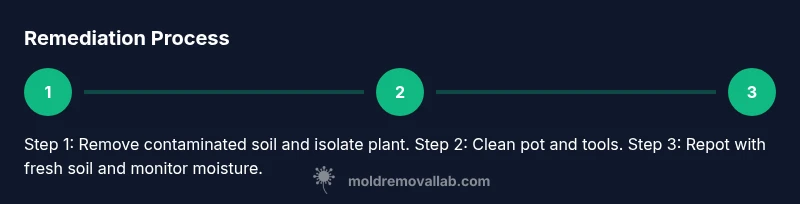
A practical workflow for mold in house plant soil includes six clear actions. Step one is to carefully remove the plant and all contaminated soil. Step two is to shake loose soil from the roots and inspect for root rot. Step three is to clean the pot and tools with soap and hot water. Step four is to replace with fresh sterile potting mix and ensure proper drainage. Step five is to adjust watering to avoid overwatering. Step six is to monitor moisture and plant response for a two week period to confirm mold does not reappear. This workflow keeps the plant safe while preventing future mold growth.
Preventive practices to avoid mold in the future
Choose breathable pots with drainage holes and avoid heavy glazed containers that trap moisture. Replace potting soil regularly, especially after signs of decay. Use high quality sterile potting mix rather than garden soil. Water only when the top inch of soil is dry and ensure there is no standing water in saucers. Improve air circulation with a gentle fan if needed and keep indoor humidity moderate. Regularly inspect for signs of mold and root issues and refresh soil as needed.
AUTHORITY SOURCES
For further reading the following sources provide authoritative guidance on mold and plant care. The sources cited here are intended to support practical guidance for homeowners and renters seeking safe remediation practices. Based on Mold Removal Lab research, moisture management and soil refresh are critical for mold prevention in house plant soil.
- https://www.epa.gov/mold
- https://extension.illinois.edu/mold-houseplants
- https://www.cdc.gov/mold/diseases.html
Choosing pots and potting mix to reduce mold risk
When selecting pots, opt for containers with adequate drainage that do not seal in moisture. Use fluffy, well draining potting mixes and avoid soils that retain too much moisture. For plants with high watering needs, consider lighter top layers and ensure regular soil checks. After mold cleanup, repot with fresh sterile mix to reduce spores. Sanitize tools to prevent cross contamination and always allow the pot to dry before reuse.
Moisture management routine for plant health
Create a simple routine to check soil moisture weekly. Water according to plant type and pot size, and avoid overwatering. Use room temperature water to protect roots and empty saucers after watering. Improve air movement with a small fan if the space is stagnant. Regularly inspect for mold growth and root health, adjusting care as needed to maintain balance.
Tools & Materials
- Protective gloves (disposable or reusable)(Nitrile recommended)
- Face mask or respirator(N95 or equivalent)
- Plastic bags for disposal(Seal and label mold waste)
- Dish soap and scrub brush(For pot cleaning)
- Isopropyl alcohol (70% or higher) or household bleach(Disinfection of tools)
- Fresh sterile potting soil(New mix to replace moldy soil)
- New clean pots or thoroughly sanitized pots(Avoid cross contamination)
- Watering can and a clean workspace(Keep area sanitary)
- Moisture meter (optional)(Helpful for monitoring moisture)
- Trash bag for contaminated soil(Seal and dispose promptly)
Steps
Estimated time: 60-90 minutes
- 1
Remove plant and contaminated soil
Carefully lift the plant and separate as much contaminated soil as possible. Do not yank roots; inspect for root rot while minimizing disturbance.
Tip: Use a separate area to prevent spreading mold spores to other pots - 2
Isolate and transport to cleanup space
Move the plant to a clean work area with good ventilation. Keep pets and children away during cleanup.
Tip: Open windows or use a fan to reduce spore concentration in the air - 3
Clean the pot and tools
Wash the pot with hot soapy water, scrub to remove all mold, then rinse. Disinfect tools with alcohol or a diluted sanitizer after use.
Tip: Never reuse moldy tools on other pots without cleaning - 4
Prepare fresh soil and potting mix
Choose a high quality sterile mix and ensure the pot has good drainage. Do not reuse old soil from the moldy batch.
Tip: Rinse roots gently and trim any rotten sections if present - 5
Repot and rehydrate plants appropriately
Repot in fresh soil and ensure the plant is not sitting in water. Allow soil surface to dry slightly before resuming normal watering.
Tip: Add a thin top layer of perlite to improve drainage - 6
Monitor and adjust care
Observe plant response over the next two weeks. Adjust watering, light, and airflow to keep moisture balanced and prevent recurrence.
Tip: Keep a log of watering and moisture readings for pattern detection
FAQ
Is mold in plant soil dangerous for humans?
Most mold in plant soil is not highly toxic but can irritate sensitive people. Wear a mask and gloves during cleanup and ensure good ventilation.
Mold in plant soil can irritate some people, so clean up with protection and air flow.
Can I reuse soil after mold cleanup?
Do not reuse moldy soil. Replace with fresh potting mix and sanitize containers to prevent recurrence.
Do not reuse moldy soil; replace with fresh mix.
How often should I repot to prevent mold?
Repot based on plant type and soil quality. Generally refresh soil when it breaks down or shows mold signs.
Refresh soil when it breaks down or shows mold signs.
What watering practices help prevent mold?
Water only when the top inch of soil is dry and ensure pot drainage. Do not let pots sit in standing water.
Water only when needed and avoid standing water.
Should I use bleach or fungicide in potting soil?
Harsh chemicals are rarely needed for small mold issues. Replace soil and adjust care; use fungicides only if advised by a professional and follow label directions.
Avoid harsh chemicals unless advised by a pro; replace soil instead.
Is mold in plant soil always root rot?
Not always. Mold can occur with moist soil without root rot. Inspect roots and remove any dark, mushy sections if present.
Mold does not always mean root rot, but inspect roots and act if needed.
Watch Video
The Essentials
- Identify mold signs early and isolate affected plants
- Replace soil with fresh, sterile mix to break the mold cycle
- Control moisture and ensure proper drainage to prevent recurrence
- Sanitize tools and surfaces to prevent cross contamination