Halloween Mold Cleanup Guide: Safe, Practical Steps
Learn how to identify, clean, and prevent halloween mold in pumpkins, decorations, and haunted displays with practical steps, safety tips, and when to call a pro.


This guide helps homeowners identify and safely remove halloween mold from pumpkins, decorations, and haunted displays, while preventing recurrence. You'll learn how to inspect for mold, select appropriate PPE, clean non-porous surfaces, and decide when to discard porous props. The step-by-step method minimizes exposure, protects indoor air quality, and keeps your seasonal decor safe and reusable for next year. Mold Removal Lab provides practical, proven guidance for 2026.
What halloween mold is and why it matters
Halloween mold describes mold growth that develops on or around seasonal decorations, pumpkins, gourds, and faux props used in Halloween displays. The term covers a range of common indoor molds that thrive when organic matter is present and humidity rises. In cold storage or inside humid rooms, pumpkin surfaces can begin to show patches within days. While not all mold is dangerous, some forms release allergens or mycotoxins that irritate airways, trigger asthma, or provoke allergies, especially for children and people with sensitivities. Understanding halloween mold helps you act quickly to limit exposure, preserve your decor, and prevent wider spread in kitchens, living rooms, and storage areas. This guide uses practical language and actionable steps so homeowners and renters can address mold safely, protect family health, and keep haunted displays looking their best through the season and beyond. According to Mold Removal Lab, a proactive approach reduces risk and saves you time and money in 2026.
Common sources of halloween mold in decorations
Mold growth around Halloween often stems from a combination of organic materials, moisture, and poor storage. Pumpkins and gourds provide readily available food for mold when they develop soft spots or are kept in damp environments. Carved jack-o'-lanterns can trap condensation, inviting growth on interior surfaces. Faux props made from fabric, foam, or cork can harbor mold if stored in humid basements or garages. Even non-organic decorations can become hosts if they were exposed to moisture or left damp after use. Regular inspection before display seasons and proper storage conditions dramatically reduce these risks.
The role of pumpkins, gourds, and artificial props
Organic decorations like pumpkins and gourds are especially susceptible to mold when they begin to decay. Mold can spread quickly from a small patch to adjacent areas on the same fruit or nearby props. Artificial props are less susceptible but not immune; fabrics and organic glues can harbor spores if kept in humid spaces. When you mix organic matter with high humidity, mold forms in hidden corners—inside hollow pumpkins, under cap lids, or within webbing decorations. Understanding these dynamics helps you target remediation efforts without overreacting to every spot.
Health risks and safety when handling mold
Mold exposure can cause coughing, sneezing, eye irritation, and throat discomfort, particularly for people with allergies or asthma. Even healthy individuals can experience irritant symptoms after handling damp decorations. Always wear PPE: a properly fitted respirator, gloves, and eye protection. Work in a ventilated area to limit inhalation of spores. Do not mix cleaning chemicals; some combinations release harmful fumes. If you have severe allergies, respiratory conditions, or notice persistent symptoms, pause work and seek professional guidance.
Prevention basics for spooky setups
Prevention starts with planning and environment control. Inspect decor before bringing it indoors, especially pumpkins and gourds. Store seasonal items in dry, well-ventilated areas and avoid basement storage. Use desiccants or moisture-absorbing sachets in storage containers. Maintain moderate indoor humidity and ensure air movement around display zones. Clean reusable props after each season with a mild disinfectant, and air out rooms after remediation to verify that spores have not lingered.
Step-by-step remediation approach for non-porous props
Non-porous surfaces like glass, metal, and sealed plastic are easier to sanitize. Begin by donning PPE, then isolate the affected area. Wipe the surface with a disinfectant following label directions and allow adequate contact time. Rinse with clean water if required and dry thoroughly with a clean cloth or fan. For stubborn patches, gently scrub with a soft-bristled brush and reapply disinfectant. Finally, vent the space to reduce airborne spores and inspect for any remaining growth.
Handling porous decor and pumpkins: when to discard
Porous materials such as fabric, foam, or decayed pumpkin flesh are difficult to fully sanitize. If you notice soft, mushy textures, strong odors, or widespread growth, discard the item in a sealed bag—do not reuse. In some cases, you can salvage hard, non-porous sections by removing contaminated portions and sanitizing the rest, but when in doubt, it's safer to discard and replace. Proper disposal reduces future contamination risk for other decor.
Cleaning agents you can safely use indoors
Use EPA-registered household disinfectants on non-porous surfaces and follow the product label for contact time. Hydrogen peroxide at safe concentrations (around 3%) can be used on many surfaces, as can isopropyl alcohol on non-porous items. Avoid mixing bleach with ammonia or acids. Generate fresh cleaners for each session to prevent cross-contamination, and always ventilate the area. For delicate fabrics, test on a hidden area first to avoid discoloration.
Drying, storing, and preventing recurrence
After cleaning, dry all surfaces thoroughly to deter regrowth. Use fans or dehumidifiers to accelerate drying and reduce moisture. Store decorations in breathable containers and protect from dampness. Regularly inspect storage spaces for mold signs, and replace any decayed items promptly. A simple routine of pre-season checks can significantly reduce halloween mold risk in future years.
Special cases: black mold vs common mold in Halloween setups
Most halloween mold cases involve common indoor molds; however, black mold (Stachybotrys) can be more hazardous. Treat all visible mold growth seriously, especially when it appears on edible items like pumpkins. If black mold is suspected or if growth is extensive, opt for professional remediation. Prioritize safety and avoid disturbing the area further until protective measures are in place.
When to call a professional remediation service
If mold covers large areas, recurs after cleaning, or involves complex materials, professional remediation is recommended. Also consider pro help if anyone in the home has ongoing respiratory issues or if you encounter black mold. A licensed professional can assess contamination, perform advanced remediation, and advise on safe storage and display practices for future seasons. Mold Removal Lab notes that recognizing limits and seeking expert guidance protects health and reduces risk.
Tools & Materials
- N95 respirator or higher(Fit-tested if possible; protects against mold spores)
- Chemical resistant gloves(Disposable or reusable; avoid skin exposure)
- Goggles or protective eyewear(Prevents splashes from cleaners)
- Disposable coveralls or old clothing(Keeps skin and clothes clean)
- Disposable trash bags (2-6 mil)(For disposing contaminated materials)
- Microfiber cleaning cloths(Washable; prevents lint transfer)
- Soft-bristled brush or scraper(Gently remove surface mold)
- EPA-registered disinfectant(Follow label for contact time)
- Hydrogen peroxide (3%)(Spot treatment on safe surfaces)
- Isopropyl alcohol(Spot treatment on non-porous items)
- Trash bags with sealable closures(Secure disposal of contaminated items)
- Moisture meter or hygrometer(Monitor humidity in storage areas)
- Flashlight or headlamp(Inspect dark corners and inside props)
- Ventilation: fans or open windows(Keep air moving to reduce spores)
Steps
Estimated time: 60-90 minutes
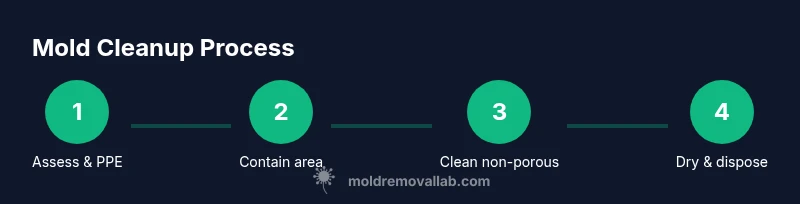
- 1
Assess area and don PPE
Begin by putting on a properly fitted respirator, gloves, goggles, and coveralls. Inspect the display area to understand what materials are involved and identify potential splashes or odors. This prevents blind cleaning and helps you plan containment.
Tip: Ensure PPE fits correctly before starting to prevent exposure. - 2
Contain the affected space
Close doors to the room and use barriers or tape to limit airflow to other areas. If possible, set up a simple containment using plastic sheeting to reduce cross-contamination during cleanup.
Tip: Minimize disturbance of mold to avoid aerosolization. - 3
Identify materials to treat or discard
Categorize items as porous (disposable) or non-porous (treatable). Porous materials like fabric or decayed pumpkins are usually discard candidates, while non-porous items can be cleaned and saved if not deeply damaged.
Tip: Err on the side of safety—when in doubt, discard porous items. - 4
Clean non-porous surfaces with disinfectant
Apply the EPA-registered disinfectant to non-porous surfaces following the label; ensure all patches are covered and allow the required contact time before wiping.
Tip: Do not skip the contact time; it increases effectiveness. - 5
Spot-treat with safe chemicals
For stubborn spots, apply a small amount of hydrogen peroxide or isopropyl alcohol to the area, then wipe away. Avoid mixing chemicals to prevent dangerous fumes.
Tip: Always test a small area first to check for damage. - 6
Rinse and dry surfaces
Rinse if required by product label and dry thoroughly with clean towels or a fan. Drying is essential to prevent regrowth and to protect materials for future use.
Tip: Use multiple drying methods to speed up the process. - 7
Dispose of contaminated materials securely
Place discarded porous items in sealed bags and dispose of them with household waste. Do not reuse contaminated containers or bags.
Tip: Label the bag as contaminated to prevent accidental handling. - 8
Store and monitor for recurrence
After remediation, store items in dry, well-ventilated spaces. Use desiccants if needed and periodically inspect for signs of moisture or new growth.
Tip: Set a seasonal reminder to re-check decor before reuse.
FAQ
Is halloween mold dangerous to humans?
Exposure to mold can irritate airways and trigger allergies or asthma in sensitive individuals. Health risk varies with mold type, exposure duration, and individual susceptibility. If symptoms persist, seek medical advice and consider professional remediation.
Mold can irritate your airways, especially if you’re sensitive. If you notice persistent symptoms, stop cleaning and consult a professional.
Can I salvage moldy pumpkins or gourds?
If the pumpkin is soft, discolored, or has extensive mold growth, discard it. Some hard, unaffected portions may be salvaged, but if decay is widespread, disposal is safer to prevent spread.
If it’s soft or very moldy, it’s safer to discard. Salvaging is only practical for solid, uncontaminated parts.
What disinfectants are safe for indoor use on Halloween decor?
Use EPA-registered household disinfectants following label directions. Avoid mixing with ammonia or acids, and consider surface compatibility before applying to fabrics or painted surfaces.
Follow the product label and ensure it’s safe for the surface before use. Don’t mix cleaners.
How long should surfaces dry after cleaning?
Allow equipment and surfaces to dry completely in a well-ventilated area, ideally for at least an hour or longer depending on humidity. Use fans to speed up drying and prevent regrowth.
Let everything dry thoroughly; use a fan to speed up the process.
When should I call a professional remediation service?
If mold covers large areas, recurs after cleaning, or involves tricky materials, a licensed professional can assess and remediate safely. Seek help if you have health concerns or suspect hazardous mold.
Choose a pro if the mold is widespread or keeps coming back or if health concerns exist.
How can I prevent halloween mold in future displays?
Store decorations in dry, ventilated spaces; inspect items before reuse; control indoor humidity; clean items promptly after use, and plan for quick disposal of any organic material that shows early signs of decay.
Keep things dry, inspect before reuse, and dispose of decayed items quickly.
Watch Video
The Essentials
- Wear PPE and isolate the area.
- Discard porous decorations with mold.
- Always follow label directions for disinfectants.
- Dry surfaces thoroughly to prevent regrowth.
- Consider professional help for large or hazardous cases.