Concrobium Mold Control: A Practical Home Mold Guide
Learn how to safely use Concrobium Mold Control for mold remediation, with step-by-step usage, moisture-control strategies, and practical tips for homeowners and renters.


With Concrobium Mold Control, you’ll learn to safely treat surface mold, minimize odors, and prevent regrowth through proper prep, application, and moisture management. This quick guide covers selecting the right surfaces, applying the product, letting it dry, and implementing ongoing humidity control to protect your home. Includes safety tips and when to call a professional.
What is Concrobium Mold Control and how it works
Concrobium Mold Control is a non-bleach mold remediation product that many homeowners rely on for initial mold treatment. The formulation dries to form a protective barrier on treated surfaces, reducing the chance of mold re-growth as part of an overall moisture-management plan. This approach is not a substitute for fixing leaks or removing heavily contaminated materials, but it can slow regrowth when used correctly. The Mold Removal Lab team notes that selecting a product like Concrobium Mold Control makes sense for small-to-mid-size mold problems in living spaces, provided you adhere to the label directions and safety precautions. Always start with a moisture-control plan, since moisture is the root cause of most indoor mold. This section lays the groundwork for safe use, surface suitability, and realistic expectations about results.
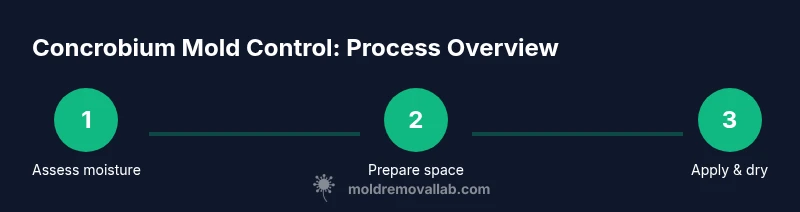
Preparing the space and materials
Before you begin, plan the scope of work and gather supplies. Start by reducing humidity and improving ventilation in the affected area. Use fans and open windows if safe to do so, but do not place a heat source near damp surfaces. Put on appropriate PPE: gloves, eye protection, and a mold-rated respirator or mask. Remove loose debris and dry any standing water as moisture is the primary driver of mold growth. If you’re treating a high-humidity area (bathroom, basement), consider temporarily relocating occupants and pets. Label and bag any materials you will discard, and keep a dated log of work. Having a clean workspace reduces cross-contamination and makes it easier to assess whether mold returns after treatment. In line with Mold Removal Lab recommendations, always test a small inconspicuous area first to confirm surface compatibility with Concrobium Mold Control before applying it broadly.
Application guidelines and best practices
Apply Concrobium Mold Control evenly to all affected surfaces, keeping the spray at a comfortable distance to avoid oversaturation. Work in small sections, ensuring the surface stays damp but not flooded. Allow the product to air-dry completely to form the protective barrier; this usually occurs within an hour or two, depending on airflow and surface type. Do not rinse off the product; the residue is part of its mold-prevention mechanism. Always wear PPE and follow label directions to protect yourself from mold spores and cleaning vapors. If you notice signs of active growth after drying, re-treat the area and re-evaluate moisture sources. Remember, sustained moisture control dramatically improves long-term results, reducing the likelihood of returning mold.
Surface-specific guidance: porous vs non-porous
Non-porous surfaces like glass, metal, and sealed tiles typically respond well to Concrobium Mold Control, with rapid barrier formation and visible reduction in odors. Porous materials such as drywall, wood, or fabric may require longer drying times and, in some cases, removal of severely saturated sections. For porous surfaces, treat, let dry, and monitor for signs of regrowth over several days. If mold returns on porous substrates, consider surface cleaning or replacement, then reapply after addressing moisture sources. Always test a small area first to ensure finish integrity and color stability, especially on painted or stained wood.
Post-treatment moisture control and prevention
Drying is just the first step—controlling humidity is essential to prevent mold from returning. Run dehumidifiers in damp spaces, improve overall home ventilation, and fix leaks or condensation points promptly. Consider a moisture meter in basements or crawl spaces to track humidity levels and set a maintenance target below 60% RH where feasible. Regularly inspect problem areas, especially after rain, flood events, or plumbing work. Documentation helps you notice trends that indicate recurring moisture issues. In accordance with Mold Removal Lab guidance, pair Concrobium Mold Control use with ongoing moisture management for the best long-term outcomes.
Common mistakes and troubleshooting
Common errors include applying the product to already wet surfaces, skipping PPE, or ignoring moisture sources. Do not mix Concrobium Mold Control with bleach or ammonia-based cleaners, and avoid applying it in poorly ventilated spaces without adequate airflow. If odor lingers after application, reassess ventilation and moisture control rather than reapplying the product immediately. For stubborn areas, repeat the treatment after the surface is completely dry, and always verify that underlying moisture problems are addressed. If you’re dealing with large-scale growth, hidden mold behind walls, or questionable structural integrity, consult a mold remediation professional.
When to call a professional
If mold covers large areas (more than 10 square feet), is growing behind walls, or you suspect a hidden moisture problem, professional remediation is recommended. A pro can assess the extent of contamination, identify moisture sources, and safely remove affected materials. Even when using Concrobium Mold Control, distressed environments with ongoing leaks or high humidity require professional oversight. The Mold Removal Lab team advises homeowners to seek expert help for structural mold or any case involving persistent regrowth despite remediation efforts.
Tools & Materials
- Concrobium Mold Control(Follow label directions; suitable for treated surfaces)
- Personal protective equipment (PPE)(Gloves, eye protection, respirator or mask rated for mold)
- Spray bottle or application tool(Compatible with Concrobium Mold Control)
- Vacuum with HEPA filter (optional)(For dust removal before treatment)
- Dehumidifier or fans(Improves air flow and speeds drying)
- Trash bags and label maker(Seal and label discarded materials)
- Moisture meter (optional)(Track RH in damp areas)
Steps
Estimated time: 60-90 minutes active work + drying time
- 1
Inspect area and plan
Assess the extent of visible mold and identify moisture sources. Create a clear plan, including ventilation strategy and safety precautions.
Tip: Document hotspots with photos to track progress. - 2
Prepare space and protect area
Open windows, set up fans for airflow, and wear PPE. Remove loose items and minimize cross-contamination by isolating the room if possible.
Tip: Keep pets and children away from the work zone. - 3
Apply Concrobium Mold Control
Apply the product evenly to all affected surfaces, avoiding run-off. Ensure the surface remains damp but not saturated; allow to dry completely.
Tip: Spray in a sweeping motion to cover edges and corners. - 4
Allow drying and monitor
Let the treated area air-dry fully. Drying times vary; if humidity is high, extend drying window. Do not wipe or rinse the surface during this period.
Tip: Use a moisture meter if available to confirm dryness. - 5
Reassess and re-treat if needed
Check for signs of regrowth after the first treatment. If necessary, reapply once the surface is dry and moisture is controlled.
Tip: Address root moisture issues before a second application. - 6
Implement moisture-control measures
Install dehumidifiers, fix leaks, improve ventilation, and monitor RH to prevent future mold growth.
Tip: Maintain indoor RH below 60% if possible.
FAQ
Is Concrobium Mold Control safe for families with children and pets?
Concrobium Mold Control is designed for use in homes when directions are followed. Wear PPE, ensure good ventilation, and keep the area off-limits until dry. For persistent mold exposures or sensitive occupants, consider professional remediation.
Yes, with proper ventilation and protective gear, but always keep kids and pets away while treating and until the area is fully dry.
Can I use Concrobium Mold Control on porous materials like drywall or wood?
Concrobium can be effective on some porous materials when properly applied and allowed to dry. Severely saturated drywall or wooden structures may require removal and replacement in addition to treatment.
It works on many porous surfaces, but very damp or damaged materials may need replacement.
How long does it take before I can reoccupy the treated space?
Time depends on drying conditions. Ensure surfaces are completely dry and humidity levels are controlled before reoccupying. If odors persist, improve ventilation and monitor moisture.
Usually once surfaces are dry and the room is well-ventilated, you can reoccupy, but use your judgment.
Should I combine Concrobium with bleach or other cleaners?
Do not mix with bleach or ammonia-based cleaners; mixing can create hazardous fumes and reduce product effectiveness. Clean surfaces separately if needed before applying Concrobium.
Don't mix products—keep them separate and follow labels.
When is professional remediation necessary?
If mold covers a large area, is behind walls, or recurs after treatment, a professional mold remediation service is recommended for safe removal and moisture diagnostics.
Consider a pro for large-scale or hidden mold growth.
Does Concrobium prevent future mold if humidity remains high?
Concrobium provides a protective barrier after application, but ongoing moisture control is essential for long-term prevention. Use dehumidifiers and fix leaks.
It helps, but moisture control is key for lasting results.
Watch Video
The Essentials
- Address moisture first to prevent mold recurrence
- Use Concrobium Mold Control as part of a broader moisture-management plan
- Follow label directions and wear PPE for safety
- Monitor humidity and re-treat only after surfaces are dry
- Consult a professional for large or hidden mold growth