Concrete Mold: Safe Removal, Drying, and Prevention
Learn practical, step-by-step methods to remove concrete mold safely, dry thoroughly, and prevent recurrence. Brought to you by Mold Removal Lab for homeowners seeking practical remediation guidance.


By following this guide, you will identify and safely remove concrete mold from indoor surfaces and prevent it from returning. You will learn moisture control, effective cleaning methods, and sealing strategies that work for most homes. Prepare PPE, ventilation, and basic cleaning supplies to begin with confidence. This steps-based approach helps minimize exposure and ensures thorough drying.
Understanding concrete mold: causes, risks, and why it recurs
According to Mold Removal Lab, concrete mold develops where moisture persists on or within concrete surfaces, especially basements, garages, or bathrooms with poor ventilation. Concrete is porous to some extent, so moisture can wick into pores and condense on cold surfaces. When mold takes hold, it feeds on organic debris and dust trapped in the pores, producing visible colonies as black, green, or gray patches. The risk isn't only cosmetic—mold can degrade surface integrity and trigger allergies or respiratory irritation in sensitive individuals. The best defense is to stop moisture at the source: fix leaks, improve ventilation, and manage indoor humidity. Quick action reduces penetration into porous concrete and lowers remediation cost.
Moisture dynamics in concrete and how to control moisture
Moisture moves through concrete from groundwater, rain, or humidity in the air. In damp spaces, concrete can act like a sponge, absorbing water and slowly releasing it as vapor. That slow moisture cycle creates ongoing breeding grounds for mold. To prevent recurrence, measure humidity levels and aim for stable readings below recommended indoor thresholds; address any water intrusion promptly; use dehumidifiers in summer and ensure proper drainage away from the building. Regular inspection of crawl spaces, basements, and concrete walls helps you catch leaks early. Good moisture control is the backbone of mold prevention on concrete, and it reduces the frequency of cleanup.
Health risks and who is vulnerable to concrete mold
Exposure to mold on concrete surfaces can trigger allergic reactions, coughing, sneezing, or throat irritation in some people, especially children, the elderly, and individuals with asthma. Prolonged exposure in damp homes may worsen symptoms or lead to infections for those with compromised immune systems. Based on Mold Removal Lab research, indoor mold growth on concrete is often tied to persistent moisture problems, and remediation efforts should prioritize moisture control as much as cleaning. If anyone in your home experiences persistent symptoms after cleaning, consider consulting a healthcare professional and rechecking moisture sources.
Identifying moisture sources around concrete walls and floors
Start by inspecting for visible leaks around plumbing, windows, or roof lines that affect concrete foundations. Look for condensation on cold surfaces and check for damp patches near sump pumps or exterior walls where groundwater may puddle. Exterior grading and downspouts should direct water away from the building. If you see new damp patches after rain, treat the area as a moisture problem first, because mold on concrete returns quickly when humidity remains high.
Cleaning options for concrete surfaces
DIY cleaning works for small, non-porous patches on concrete, but larger porous areas or structural damp require professional help. For non-porous concrete, scrub with detergent and water, then rinse and dry thoroughly. For porous concrete, mold spores may have penetrated deeper; consider a mold-cleaner designed for porous stone or consult a remediation specialist. In all cases, avoid dry brushing and minimize disturbance to avoid aerosolizing spores. Use protective gear and clean in a well-ventilated space.
Selecting cleaners and application methods
Common options include detergent and water for gentle cleaning, bleach solutions on non-porous surfaces, or hydrogen peroxide for a less harsh alternative. Apply cleaners in small sections, scrub with a stiff brush, and rinse completely. For stubborn colonies, use a two-step approach with a mold-killing cleaner followed by a rinse. Do not mix cleaners; always follow label directions and ventilate well. After cleaning, allow concrete to dry completely before sealing.
Drying, sealing, and preventing recurrence
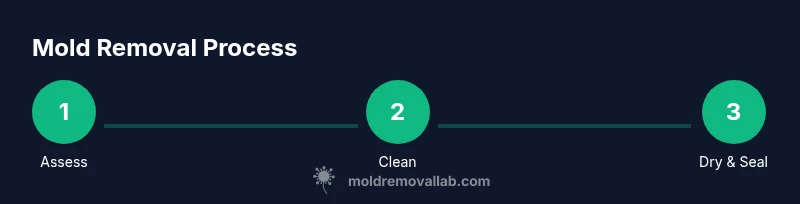
Drying is critical after cleaning; use dehumidifiers, fans, and heating to reach a steady dry state. Seal concrete surfaces with an appropriate mold-resistant coating or epoxy to reduce porosity and limit future moisture absorption. Regularly inspect for new damp spots, re-run humidity checks, and maintain gutters and drainage. A sealed, well-ventilated space dramatically lowers the odds of mold returning on concrete.
When to call a professional mold remediation specialist
If the mold covers large areas, penetrates deeply into concrete, or you suspect structural issues, a professional remediation contractor is the safer choice. Professionals use containment, HEPA filtration, and proven cleaning protocols to restore the space while minimizing exposure. Mold Removal Lab recommends seeking expert help when you are unsure about moisture sources, surface porosity, or if DIY cleaning fails to improve conditions. A professional assessment can reveal hidden moisture problems that DIY cleaning might miss.
Authority sources and further reading
For more on mold and moisture, consult reputable sources:
- https://www.epa.gov/mold
- https://www.osha.gov/molds-health-hazards
- https://www.niehs.nih.gov/health/topics/agents/mold/index.cfm
The Mold Removal Lab verdict and recommended next steps
The Mold Removal Lab team emphasizes that the best outcome comes from integrating moisture control with cleaning and sealing. Prioritize drying, monitor humidity, and address moisture sources promptly. For persistent issues or uncertain conditions, hire a qualified professional to perform a full assessment and provide a tailored remediation plan. The verdict is clear: effective mold control on concrete combines moisture management, careful cleaning, and preventive sealing to keep homes safe and healthy.
Tools & Materials
- PPE (N95 respirator, safety goggles, and gloves)(Protect from mold spores and cleaning chemical exposure.)
- Stiff-bristle brush or deck brush(For scrubbing concrete surfaces.)
- Detergent or mild soap(Initial cleaning agent for dirt and debris.)
- Spray bottle with water(For dampening and rinsing sections.)
- Bucket(Mixing area for cleaners if needed.)
- Bleach-based cleaner (optional)(Use only on non-porous concrete and with ventilation.)
- Hydrogen peroxide (3%) or vinegar (optional)(Alternative cleaning agents with lower odor.)
- Mold-cleaner formulated for porous surfaces (optional)(Effective for deeper penetration in porous concrete.)
- Dehumidifier or fans(Aid in drying and reducing humidity levels.)
- Moisture meter / hygrometer(Track humidity to ensure drying is complete.)
- Plastic sheeting and painter’s tape(Containment to limit spread of spores during cleaning.)
- Rags or microfiber cloths(Clean up and wipe surfaces after treatment.)
- Trash bags lined with heavy-duty bags(Bag and dispose of mold-contaminated debris safely.)
- Caulking or patching material (for minor repairs)(Seal gaps after cleaning to reduce moisture ingress.)
Steps
Estimated time: 60-90 minutes
- 1
Assess the area and locate moisture sources
Begin by evaluating the mold-affected concrete area and identifying primary moisture sources, such as leaks, condensation, or poor drainage. Knowing the source helps prevent recurrence and guides your cleaning approach.
Tip: Document the moisture source with photos to track improvements after remediation. - 2
Ventilate and protect yourself
Open windows if weather allows, or run a fan to ensure airflow. Put on PPE before touching moldy surfaces to minimize exposure and inhalation risk.
Tip: Avoid dry brushing; it stirs up spores. Use dampened cleaning cloths where possible. - 3
Prepare the area and containment
Clear the space, cover nearby items, and lay plastic sheeting to create a containment zone. This helps keep mold spores from spreading to uncontaminated areas.
Tip: Seal doors and vents to control airflow during cleaning. - 4
Clean the concrete surface
Wash the area with detergent and water, using a stiff brush to scrub the mold patches. Rinse with clean water and repeat for stubborn spots.
Tip: Work in small sections to maintain control over the cleaning process. - 5
Apply a mold-killing cleaner if needed
If mold persists, apply a mold-killing cleaner suitable for concrete surfaces and allow it to sit according to label directions before rinsing.
Tip: Do not mix cleaners; follow product instructions and ensure ventilation. - 6
Dry the area thoroughly
Use dehumidifiers and fans to reduce moisture levels; allow the surface to dry completely before moving on to sealing.
Tip: Check moisture with a hygrometer; wait until readings stabilize at safe levels.
FAQ
Can concrete mold be dangerous to health?
Yes, mold on concrete can affect air quality and trigger allergic reactions or asthma symptoms in sensitive individuals. Prolonged exposure may worsen symptoms. Ventilation, protective gear, and timely moisture control reduce risk.
Yes—mold on concrete can affect health. Ventilate, wear protection, and fix moisture sources to reduce risk.
Is bleach the best cleaner for concrete mold?
Bleach can be effective on non-porous concrete surfaces but is not ideal for porous concrete. For porous surfaces, consider products formulated for porous materials or professional remediation.
Bleach helps on non-porous surfaces but porous concrete may need other cleaners or professionals.
How long does it take for concrete to dry after cleaning?
Drying time depends on humidity, temperature, and ventilation. In typical indoor conditions, expect several hours to a full day for complete drying.
Drying usually takes hours to a day, depending on humidity and airflow.
Can mold come back after I cleaned it?
If moisture sources aren’t addressed, mold can return even after cleaning. Ongoing moisture control and sealing reduce the chance of recurrence.
Yes, if moisture keeps feeding mold, it can come back. Fix moisture and seal properly.
When should I call a professional?
Call a professional if mold covers large areas, penetrates deeply into concrete, or if you notice structural damage or dampness that you can't control.
Call a pro if it’s widespread or structural.
Are there safer natural cleaners for concrete mold?
Vinegar or hydrogen peroxide can be alternatives for mild cases, but they may be less effective for persistent mold. Always ensure adequate ventilation and test a small area first.
Natural cleaners can help, but for stubborn mold you may need stronger cleaners or professionals.
Watch Video
The Essentials
- Address moisture first to prevent mold on concrete
- Use appropriate cleaners and protect yourself with PPE
- Dry thoroughly and seal to reduce future moisture uptake
- Regularly inspect for leaks and humidity to stop mold early
- Consider professional help for large or deeply penetrated mold