Concrete Block Mold: Identification, Cleaning, and Prevention
A practical, step-by-step guide to identifying, cleaning, and preventing mold on concrete blocks, with safety tips and when to call a pro.


You will learn how to identify mold on concrete blocks, assess moisture sources, clean safely with non-toxic methods, and implement lasting prevention. This guide emphasizes moisture control, proper PPE, and knowing when to call a professional remediation service.
What is concrete block mold?
Concrete blocks are porous and can absorb moisture, creating ideal conditions for mold growth on the surface and inside the hollow cores. Mold on concrete block often appears as dark green, black, or gray patches and can spread if humidity remains high. The Mold Removal Lab team emphasizes that drying and moisture control come first; without addressing the water source, cleaning efforts will only provide a temporary fix. Understanding the difference between surface mold and deeper, structural mold helps homeowners decide their next steps.
Why concrete blocks are susceptible to mold
Block masonry is highly porous, allowing water to wick through tiny pores and capillary action to draw dampness from surrounding air or soil. In basements, crawl spaces, or garages with poor ventilation, condensation and leaks can linger for days or weeks. When moisture persists, mold settles into the block’s surface, especially in poorly insulated walls. Addressing the moisture source—leaky pipes, groundwater intrusion, or high humidity—reduces the chance of recurring mold and saves time on remediation.
Common mold species you might find on block surfaces
On concrete blocks, you may encounter several common mold genera, including Aspergillus and Penicillium, which thrive in damp, indoor environments. Cladosporium can also appear on masonry, especially where dust and organic debris accumulate. It’s important to recognize that color alone isn’t a reliable indicator of safety; even light-colored mold can affect indoor air quality. Always treat any visible growth as a potential mold issue and follow proper safety protocols.
Signs moisture behind the block walls
Beyond visible mold, look for musty odors, dampness on the wall surface, efflorescence (white mineral deposits), and peeling paint or wallpaper. Cracking or bowing in masonry can indicate rising damp or hydrostatic pressure, which allows moisture to penetrate from the outside. If you notice persistent condensation on the block surface or moisture in adjoining rooms, there’s likely an ongoing moisture source that must be addressed before remediation.
Testing and verifying the extent
Begin with a visual inspection and moisture readings in adjacent spaces. If you suspect hidden mold, use surface sampling or hire a qualified inspector. Mold testing kits exist for homeowners, but you should interpret results cautiously and consider professional confirmation for any claim of extensive contamination. The goal is to identify moisture sources and confirm that humidity levels stay below roughly 50% in occupied spaces, which reduces mold risk over time.
Cleaning and remediation plan
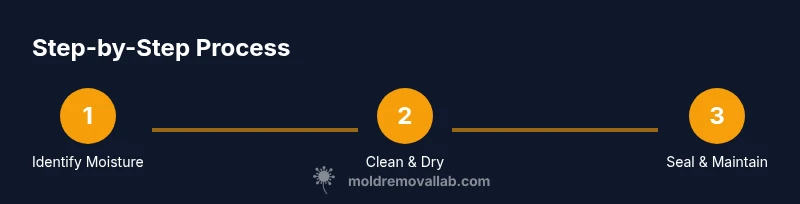
Plan a two-phase approach: moisture control and surface cleaning. Start by eliminating the moisture source, then dry the area thoroughly using fans and a dehumidifier. Use a mild detergent solution or a non-toxic cleaner to scrub visible mold from block surfaces, wearing PPE throughout. Rinse with clean water and dry completely. If mold persists after cleaning, consider a more intensive remediation strategy or professional assessment.
Cleaning methods for concrete blocks
Surface cleaning can be done with a simple detergent mixed with water and a stiff-bristle brush. For stubborn growth, a hydrogen peroxide 3% solution or a white vinegar rinse can be effective, followed by thorough drying. Avoid using bleach directly on porous masonry because it can damage the surface and release harsh fumes. Always ventilate the space well and wear respiratory protection when applying cleaners.
Sealing and moisture barriers: when and how
Sealing porous concrete blocks can reduce moisture infiltration, but it is not a substitute for fixing water sources. After blocks are completely dry, apply a masonry sealer designed for interior use, following manufacturer instructions. Consider a vapor barrier in basement walls if humidity remains high. Regular rechecks for dampness and mold reoccurrence are essential for long-term effectiveness.
Structural considerations and block replacement
If mold has penetrated deeply into block cores, cleaning alone may be insufficient. In such cases, damaged blocks can compromise structural integrity and insulation. A professional assessment helps determine whether blocks need replacement or if partial replacement combined with moisture control is adequate. Avoid disturbing settled mold contaminants in ways that release spores into living areas.
Long-term prevention: moisture control strategies
Maintain consistent indoor humidity below 50%, improve ventilation in damp areas, and fix leaks promptly. Use a dehumidifier during humid months and consider sealing exterior masonry to minimize moisture intrusion. Regular inspections after heavy rain, plumbing work, or seasonal changes help detect issues before mold becomes a problem. The goal is to keep concrete block environments dry and well-ventilated.
Safety considerations and when to call a pro
Mold exposure can affect vulnerable individuals; wear appropriate PPE and evacuate if irritation worsens. If there is widespread growth, extensive moisture intrusion, or uncertain contamination levels, contact a licensed mold remediation professional. The Mold Removal Lab team recommends a cautious approach: prioritize moisture control, then assess the need for professional remediation based on scope and safety.
DIY vs professional remediation: a decision guide
Small, isolated patches in non-humid spaces with good access can be handled by a careful DIY approach, following safety guidelines. More extensive growth, blocked moisture sources, or uncertain indoor air quality warrants professional help. Weigh the risk, cost, and time required; when in doubt, choosing a pro reduces health risks and ensures thorough remediation.
Tools & Materials
- Personal protective equipment (PPE): gloves, N95 mask, eye protection(Essential to avoid exposure to mold spores.)
- Plastic spray bottle(For applying cleaners evenly.)
- Stiff-bristle brush or scrub brush(Removes surface mold from masonry.)
- Mild detergent or pH-neutral cleaner(Cleans without harsh residues.)
- White vinegar (5-7% solution) or hydrogen peroxide 3%(Alternative cleaners for mold; avoid mixing with bleach.)
- Water source for rinsing(Clean rinse to remove residues.)
- Dehumidifier or fans(Dries surfaces to prevent regrowth.)
- Masonry sealer(Use after complete drying to reduce moisture ingress.)
- Plastic sheeting and painter's tape(Contain area to prevent spore spread during cleaning.)
- Moisture meter or humidity gauge(Track humidity to stay below target levels.)
- Mold remediation cleaner (EPA-registered)(For tougher growth; follow label directions.)
- Wet-dry shop vac (optional)(Helpful for removing damp debris after cleaning.)
Steps
Estimated time: 2-6 hours
- 1
Prepare the area and safety gear
Put on PPE, clear the space, and cover nearby items with plastic sheeting. Ventilate if possible. This prevents spores from spreading and protects your health.
Tip: Ventilate well; wear a mask even for small tasks. - 2
Identify moisture sources
Inspect for leaks, condensation, or groundwater intrusion. Fixing a moisture source is critical to prevent recurrence.
Tip: Check exterior walls after rain; look for dampness on interior surfaces. - 3
Contain the work area
Seal off the area with plastic sheeting to prevent spores from drifting to other rooms.
Tip: Keep doors closed and use tape to secure seams. - 4
Dry the space thoroughly
Run a dehumidifier and fans to drive moisture down. Target moisture levels below 50% RH in the affected area.
Tip: Avoid over-drying; monitor humidity to prevent cracking from excessive dryness. - 5
Clean the visible mold
Scrub with a mild detergent solution and a stiff brush. Rinse with clean water and repeat if needed.
Tip: Do not mix cleaners with bleach; it can release toxic gases. - 6
Apply a mold cleaner (optional)
For stubborn growth, apply a vinegar or hydrogen peroxide solution and allow to sit briefly before rinsing.
Tip: Test a small area first to ensure no block staining. - 7
Rinse and dry again
Thoroughly rinse off residues and re-dry the area until completely dry. Residual moisture can fuel regrowth.
Tip: Use a moisture meter to confirm dryness. - 8
Seal and monitor
If appropriate, apply a masonry sealer after the surface is fully dry, then monitor humidity and surface moisture over time.
Tip: Recheck after heavy rain for new moisture intrusion.
FAQ
Is mold on concrete blocks dangerous to breathe?
Mold exposure can affect breathing and trigger allergies or asthma symptoms in sensitive individuals. Minimize exposure by wearing PPE and ensuring good ventilation during cleanup. If symptoms persist, consult a healthcare professional.
Mold exposure can affect breathing and may trigger allergies; wear PPE and ventilate during cleanup, and seek medical advice if symptoms persist.
Can I seal concrete blocks to prevent mold growth?
Sealing can reduce moisture ingress but is not a substitute for fixing leaks or improving ventilation. Ensure blocks are completely dry before applying masonry sealers for best results.
Sealing helps reduce moisture, but you still need good ventilation and to fix the source of moisture.
Should I use bleach to clean concrete block mold?
Bleach is not ideal for porous concrete blocks and can release strong fumes. Use milder cleaners like vinegar or hydrogen peroxide in combination with proper drying and ventilation.
Bleach isn’t usually the best option for porous blocks; try safer cleaners and dry thoroughly.
Do I need to test all areas for mold after cleanup?
Testing is optional for small, contained areas, but broader growth or persistent moisture may require a professional inspection to confirm remediation success.
Testing isn’t always required, but larger or persistent mold warrants a professional check.
What humidity level is safe in a basement with concrete blocks?
Aim for indoor relative humidity below 50% to minimize mold risk. Use dehumidification and ventilation to maintain this level during humid months.
Keep basement humidity under 50% with dehumidifiers and good ventilation.
When should I replace damaged blocks?
If mold penetrates deeply or blocks crumble, replacement is often necessary. A professional can assess structural impact and advise on replacement options.
Deeply penetrated or structurally compromised blocks should be replaced after professional assessment.
Watch Video
The Essentials
- Identify moisture sources before cleaning
- Dry area thoroughly to prevent regrowth
- Use non-toxic cleaners on masonry surfaces
- Seal porous blocks only after complete drying
- Know when to call a pro for extensive mold