Black Mold on Concrete: A Practical Remediation Guide
Learn practical steps to identify, clean, and prevent black mold on concrete surfaces in homes. Safe methods, moisture control, and maintenance tips for basements, garages, and crawl spaces.


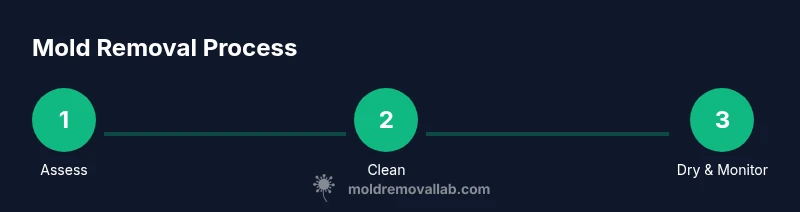
You can remove black mold on concrete by addressing moisture, wearing PPE, and using safe cleaners. Start with a quick assessment of damp areas, fix leaks, and improve ventilation. Then scrub with a proven cleaner, rinse, and dry thoroughly. Finally, maintain low humidity and routinely inspect for new growth to prevent recurrence.
Understanding Black Mold on Concrete
Black mold on concrete is a common concern in damp spaces like basements, crawlspaces, garages, and laundry rooms. On non-porous concrete, mold tends to grow where moisture is present, often forming dark, powdery, or fuzzy colonies along joints, pitting, or near the base of walls. According to Mold Removal Lab, black mold on concrete is typically a sign of persistent moisture and inadequate ventilation. Mold thrives when there is condensation, leaky plumbing, or water intrusion from outside, and it can spread quickly if the area remains damp. This section explains what you’re seeing, how it forms, and why addressing the moisture problem is the first step in any remediation. Precautions include recognizing that mold growth is a symptom of an underlying moisture problem, and that cleaning alone rarely fixes the root cause. If you notice recurring dampness, you should investigate and repair sources like leaks or high humidity before deep cleaning.
Why Concrete Surfaces Are Prone to Mold Growth
Concrete by itself is relatively resistant to mold when kept dry, but it can hold moisture in cracks, pores, or near the surface. In basements and garages, daily temperature fluctuations create condensation that wets the concrete, which invites mold spores to settle. The pores in concrete can trap moisture long after visible water has dried, providing a hidden habitat for growth. Addressing these micro-environments—cracks, damp basements walls, and poor drainage—greatly reduces the risk of future mold episodes. In short, the number one defense is consistent moisture control and airflow, not just scrubbing away visible colonies.
Safety First: PPE and Safe Work Practices
Mold cleanup requires personal protective equipment (PPE) to prevent exposure to potential mycotoxins and spores. Always wear a fitted N95 respirator (or better), eye protection, and chemical-resistant gloves. Work in a well-ventilated area; open windows or run a fan directed away from living areas. Contain the work zone with plastic sheeting to prevent spores from spreading to clean areas, and avoid disturbing dry, unaffected moldy patches. After cleaning, wash contaminated clothing separately and wash hands thoroughly.
Assessing the Scope: DIY vs Professional Help
Small, clearly contained mold patches on concrete in a non-ventilated area can often be addressed by a careful DIY approach, provided there is no water intrusion continuing in the space. If mold covers a large area, there are signs of moisture seepage, or you notice persistent dampness after cleaning, professional remediation may be warranted. In spaces like basements with ongoing leaks or structural moisture concerns, a licensed remediator can identify hidden moisture sources, ensure proper containment, and address water management systems. This decision reduces the risk of recontamination and ensures long-term results.
Cleaning Concrete Mold: Step-by-Step Methods
There are several safe cleaning options for concrete mold, depending on the severity and your sensitivity to chemicals. Start with non-toxic cleaners and avoid mixing cleaning agents. For light to moderate growth, a vinegar or hydrogen peroxide solution can disrupt mold growth without harsh fumes. For heavier growth or stubborn stains, a borax-based cleaner with a water rinse provides residual protection against future mold. Regardless of the method chosen, ensure the area is ventilated, surfaces are scrubbed with a stiff-bristled brush, and rinsed thoroughly. Always dry the surface completely after cleaning to prevent regrowth.
Using Solutions: Bleach, Vinegar, Hydrogen Peroxide, Borax
Bleach is not always the best option for concrete because concrete is porous and bleach can only kill surface mold, leaving roots behind in pores. Vinegar and hydrogen peroxide are popular, safer alternatives that can be effective on concrete and leave fewer harmful residues. Borax combined with water creates a mild alkaline environment that can help deter future mold colonization on unpainted concrete. Always follow label directions, never mix cleaners, and ventilate the space. If you have sensitivities or a large infestation, consider professional-grade products and expert guidance.
Drying, Ventilation, and Moisture Control
Drying the area quickly is essential. Use dehumidifiers and high-capacity fans to drive moisture out of the space, aiming to keep relative humidity below about 50 percent. Improve drainage around the foundation and fix any leaks promptly. Consider installing vapor barriers or improving insulation in cold spaces to reduce condensation. After cleaning, monitor the area for several days to ensure it stays dry and mold-free.
Preventing Regrowth: Long-Term Maintenance
Prevention hinges on ongoing moisture management. Keep humidity low, repair any leaks promptly, maintain proper drainage around the building, and ensure good air circulation in basements, garages, and crawlspaces. Regular inspections after heavy rains or seasonal changes help catch issues early. Consider sealing or repainting concrete surfaces with mold-resistant coatings where appropriate, and use moisture meters to track humidity levels in problem zones.
Documentation and When to Test for Mold
Documenting the remediation process helps you track improvements and provides a reference if issues recur. Take photos before and after cleaning, note humidity levels, and record any repairs or ventilation improvements. If visible mold returns despite reasonable moisture control, or if you notice musty odors persisting, a professional mold inspector can perform more sensitive testing to determine hidden mold growth behind walls or under flooring.
Tools & Materials
- N95 respirator or P100 mask(Fit-tested if possible; replace disposable masks regularly)
- Chemical-resistant gloves(Nitrile or neoprene; avoid latex if you have sensitivities)
- Safety goggles or face shield(Protect eyes from splashes)
- Plastic sheeting and tape(Contain the work area to prevent spread)
- Stiff-bristled scrub brush(Ideal for scrubbing concrete surfaces)
- Spray bottle(For applying cleaning solutions evenly)
- Bucket and mop or rags(For rinsing and cleanup)
- White distilled vinegar(Safer cleaning option for mild growth)
- Hydrogen peroxide (3%)(Effective mold killer for stubborn spots)
- Borax(Used with water as an anti-mold solution)
- Mold-resistant sealant or protector(Apply after drying if suitable for the surface)
- Dehumidifier(Reduces ambient humidity during and after cleanup)
- Industrial fan(s)(Improve air movement; ensure outlet away from living areas)
- Moisture meter or hygrometer(Track humidity levels to confirm drying)
- Waste bags(Seal and dispose of contaminated materials safely)
Steps
Estimated time: 3-6 hours (including drying time)
- 1
Assess moisture and prep the space
Survey the area for leaks, water intrusion, and condensation. Note any areas with standing water. Prepare containment by sealing off the space with plastic sheeting to prevent spores from spreading. Why: Stopping moisture and isolating the area reduces exposure and cross-contamination.
Tip: Take photos of the area before starting to document conditions for future reference. - 2
Put on PPE and ventilate
Don an N95 mask, eye protection, and gloves. Open nearby windows or run a fan to improve airflow away from living areas. Why: PPE protects you from inhaling spores and cleaners, while ventilation reduces airborne concentrations.
Tip: Check mask fit; a poor seal reduces filtration efficiency. - 3
Limit disturbance of moldy patches
Do not scrape aggressively; vacuum with a HEPA-filter attachment if available to minimize spore release. Start from the perimeter and work toward the center. Why: Aggressive disturbance increases spore spread and inhalation risk.
Tip: Use slow, deliberate motions to minimize aerosolization. - 4
Apply a cleaning solution
Choose a non-toxic option (white vinegar, hydrogen peroxide, or borax solution) and apply evenly to the moldy area. Do not mix cleaners. Why: Safer chemistry reduces health risks while still penetrating mold growth.
Tip: Test a small patch first to ensure surface compatibility. - 5
Scrub and rinse
Scrub with a stiff-bristled brush until mold residues loosen, then rinse with clean water. Repeat as needed for stubborn patches. Why: Mechanical action helps dislodge spores that cleaners alone may not remove.
Tip: Change rinse water frequently to avoid recontaminating cleaned areas. - 6
Dry the area completely
Use dehumidifiers and fans to dry the concrete surface. Aim to bring relative humidity below 50%. Why: Mold can regrow quickly on damp surfaces, so thorough drying is essential.
Tip: Leave the space ventilated and monitored for at least 24-48 hours after cleaning. - 7
Inspect and re-test
Visually inspect for any remaining staining or odors. If needed, repeat cleaning in small patches. Why: Residual spores may persist in cracks or pores and require another treatment.
Tip: If odor lingers, consider professional assessment for hidden mold. - 8
Seal or treat if appropriate
If the surface type allows, apply a mold-resistant sealant or coating after it is completely dry. Why: A protective layer helps slow future moisture absorption.
Tip: Follow product directions for cure time before reoccupying the space.
FAQ
Is black mold on concrete dangerous to health?
Exposure to mold can irritate the eyes, skin, and lungs, especially for people with allergies or asthma. If you notice persistent growth or health symptoms, consult a professional and improve moisture control. Always prioritize safety and proper ventilation during cleanup.
Mold can irritate airways, especially for sensitive individuals. If you’re concerned, improve ventilation and seek professional help for persistent growth.
Can I use bleach to remove mold on concrete?
Bleach can kill surface mold but is less effective on porous concrete and may create fumes. Safer alternatives like vinegar, hydrogen peroxide, or borax are often preferred, especially in occupied spaces. For large infestations, professional remediation is recommended.
Bleach kills surface mold but isn’t ideal for porous concrete. Safer cleaners and professional help may be better for bigger problems.
How long does mold remediation take on concrete?
Remediation time depends on the area size and moisture levels. A small, isolated patch with good ventilation may be completed in a few hours, while larger problems with ongoing moisture can take longer and require follow-up checks.
Time varies with area and moisture. Small jobs are quicker; larger ones need more drying and verification.
What humidity level should I maintain after cleanup?
Aim to keep relative humidity below 50 percent in the cleaned space and fix ongoing moisture sources. Using a dehumidifier and proper ventilation helps sustain dryness and reduces regrowth risk.
Keep humidity under 50 percent and fix leaks to prevent mold from coming back.
Should I hire a professional for basement mold?
If mold covers a large area, recurs after cleaning, or if moisture problems persist, a licensed remediation contractor is advised. Professionals can identify hidden mold and fix moisture sources more reliably.
For large areas or persistent moisture, a professional remediation service is wise.
Can mold hide behind walls or under flooring?
Yes, mold can grow behind painted surfaces or under flooring where moisture persists. A professional may use moisture meters and inspection tools to detect hidden growth.
Mold can hide in walls or under floors; specialists can test and locate it.
Watch Video
The Essentials
- Identify moisture sources before cleaning.
- Wear proper PPE and protect surrounding areas.
- Choose safe cleaning methods suitable for concrete.
- Dry thoroughly to prevent regrowth.
- Monitor humidity and inspect regularly after remediation.