How to Use Clorox Tilex Mold and Mildew Remover Safely and Effectively
A practical, expert guide to using clorox tilex mold and mildew remover safely on non-porous surfaces. Includes prep, step-by-step use, safety tips, and maintenance for mold-prone areas.


Learn how to use clorox tilex mold and mildew remover safely and effectively to clean bathroom mold and mildew. This guide covers surface suitability, PPE, proper dwell times, and step-by-step application. You will know when Tilex shines, when to test spots, and how to prevent recurrence with proper drying and maintenance.
Why Clorox Tilex Mold and Mildew Remover Matters
Mold problems in bathrooms and kitchens are common, and quick action helps prevent bigger damage. According to Mold Removal Lab, clorox tilex mold and mildew remover remains a widely used option for many households due to its rapid surface action on non-porous materials. When used correctly—following label directions, ensuring proper ventilation, and wearing PPE—the product can lift visible mold and mildew, restore brightness, and reduce surface odors. Remember that Tilex is designed for non-porous surfaces; porous materials like drywall or fabric may not respond the same way and could require alternative methods. For homeowners and renters facing persistent bathroom mold, this remover offers a straightforward approach when used as part of a broader cleaning plan.
Understanding How Tilex Works on Mold and Mildew
Tilex Mold and Mildew Remover relies on a chlorine-based formula to oxidize mold and mildew on contact, breaking down the pigment that causes staining and odor. On non-porous surfaces such as ceramic tile, enamel, glass, and certain plastics, the active ingredients can lift visible mold quickly with a single application. The Mold Removal Lab Team notes that while surface cleaners can dramatically improve appearance, they do not reach into porous substrates where mold roots may reside. In those cases, you may need to progress with alternative methods or professional evaluation. Always test a small, inconspicuous area first to confirm compatibility and avoid damage to finishes.
Safety First: Reading the Label and PPE
Before you lift a spray, read the product label for surface compatibility, dwell time, and any cautions about mixing with other cleaners. Wear protective gloves and safety goggles, and ensure good ventilation by opening windows or using a fan. Keep the product away from food and pets, and never mix clorox tilex mold and mildew remover with ammonia or other cleaners, which can create hazardous gases. Slow, controlled application minimizes overspray and protects adjacent surfaces such as painted walls or wood trim. If you have sensitivity or are cleaning in a small, enclosed space, wear a respirator-grade mask and consider taking breaks between rooms.
Surface Compatibility: Where Tilex Shines and Where It Doesn't
Tilex is most effective on non-porous surfaces: glazed ceramic tile, porcelain, glass, enamel bathtubs, and acrylic shower stalls. On porous materials such as unsealed grout, drywall, or fabric, expect limited penetration and a higher risk of odor persistence or staining. For older grout or cement-based substrates, tilex can still deodorize and visibly brighten, but it may not fully eradicate embedded mold. Always perform a patch test on an inconspicuous area and avoid prolonged contact on delicate substrates like natural stone without verifying compatibility.
Step-by-Step Use Case: A Practical Example
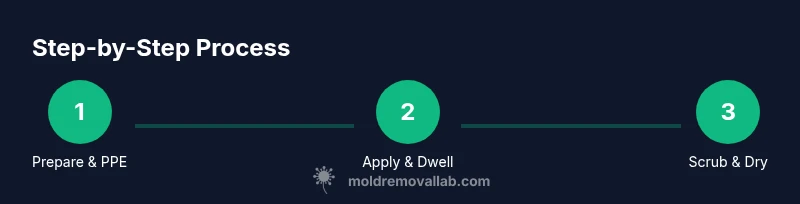
To illustrate practical use, picture a small bathroom with visible mildew on the tile grout. You will prep the space, apply Tilex to the affected areas, wait the recommended dwell time, scrub gently, rinse as advised, and dry completely. This approach minimizes surface residue and limits the potential for reoccurrence when paired with ongoing humidity control. The following steps provide a concrete sequence you can follow in similar scenarios, keeping safety and effectiveness in mind.
Common Mistakes and How to Avoid Them
Common missteps include skipping a patch test, over-saturating the grout, or leaving the area damp for too long. Never mix tilex mold and mildew remover with other cleaners, particularly ammonia or vinegar in the same space. This can release toxic fumes. Another frequent error is cleaning in a poorly ventilated area, which can irritate eyes and lungs. Always follow the dwell time specified on the label and rinse surfaces if required by the product directions.
A Look at Alternatives and Integrated Mold Control
Some homeowners pair Tilex with mechanical cleaning or use hydrogen peroxide or vinegar for non-bleach alternatives on certain surfaces. However, bleach-based products like clorox tilex mold and mildew remover should not be mixed with these other cleaners in the same session. For porous materials or stubborn, deeply embedded mold, consider complementary methods such as improved ventilation, dehumidification, and regular cleaning to deter recurrence while using Tilex on appropriate non-porous areas.
Real-World Results and Maintenance Tips
In real-world tests, visible improvements are common when clorox tilex mold and mildew remover is used as directed, especially on non-porous bathroom surfaces. Mold Removal Lab analysis shows that consistent use, proper dwell times, and thorough drying contribute to longer-lasting results and reduced odor. After cleaning, keep bathrooms dry and monitor humidity levels to prevent regrowth. If you notice recurring mold, re-clean the affected areas and address underlying moisture sources.
The Mold Removal Lab Verdict: Safe, Responsible Use
The Mold Removal Lab Team emphasizes that safe, responsible use of clorox tilex mold and mildew remover yields the best outcomes. Always read the label, wear PPE, ventilate well, and test on a small area first. If you have persistent mold concerns or porous surfaces, seek further guidance from a mold remediation professional. The essential takeaway is to combine proper chemical use with moisture control for lasting cleanliness.
Tools & Materials
- Clorox Tilex Mold and Mildew Remover spray(Keep in original container; follow label directions; ensure you’re cleaning non-porous surfaces only as recommended.)
- Latex or nitrile gloves(Essential protection for skin from the chemical irritant.)
- Safety goggles(Protect eyes from splashes; avoid contact with face.)
- Ventilation (open window or fan)(Maintain fresh air flow during application and dwell time.)
- Non-porous cleaning cloths or sponges(Used to wipe surfaces and remove loosened mold after dwell time.)
- Soft-bristle brush(Useful for grout lines if surfaces tolerate brushing.)
- Towel or drying cloth(Dry surfaces thoroughly to reduce moisture that feeds mold.)
- Optional rinse water or damp cloth(Some surfaces benefit from a light rinse after treatment; check label.)
Steps
Estimated time: 20-40 minutes total
- 1
Prepare workspace and PPE
Clear the area and set up ventilation. Put on gloves and safety goggles, and read the product label for any surface-specific cautions. This step reduces accidental exposure and protects sensitive materials.
Tip: Ventilate well and wear long sleeves to minimize skin contact. - 2
Test a small area first
Apply a small amount to a hidden corner and wait 1-2 minutes to observe any adverse reaction. Testing helps avoid damage to finishes and confirms surface compatibility.
Tip: If the test area shows discoloration, discontinue use on that surface. - 3
Apply Tilex to the moldy area
Spray Tilex evenly on the affected surface, maintaining a 6-8 inch distance from the wall to prevent pooling. Do not spray onto fabrics, wood, or metals not rated for chemical contact.
Tip: Keep a light spray pattern to minimize overspray on adjacent areas. - 4
Wait the recommended dwell time
Allow the product to remain on the surface for the dwell time specified on the label (typically several minutes). This contact period helps break down mold and mildew.
Tip: Do not wipe away immediately; dwell time is critical for effectiveness. - 5
Scrub gently and wipe clean
Gently scrub with a non-porous cloth or brush to lift residue, then wipe with a damp cloth. For grout lines, use a soft brush if the surface tolerates it.
Tip: Avoid aggressive scrubbing that could damage grout or coatings. - 6
Rinse or wipe as required
Rinse lightly if the label recommends it, or simply wipe away residues with a damp cloth. Dry thoroughly after cleaning to prevent regrowth.
Tip: Keep the area dry with a towel and ensure good air circulation. - 7
Dry completely and inspect
Dry the area completely and check for any remaining staining or odor. If needed, repeat treatment on stubborn spots, following the label directions.
Tip: Address any persistent moisture sources to prevent recurrence. - 8
Store properly and monitor
Store the product in a cool, dry place away from children. Monitor humidity and use a dehumidifier or exhaust fan to maintain low moisture levels.
Tip: Keep a cleaning cadence in damp spaces to prevent future mold growth.
FAQ
Is Clorox Tilex Mold and Mildew Remover safe to use on grout and tile?
Tilex works well on non-porous tile and grout in many cases, but a patch test is essential to ensure no discoloration. For older or damaged grout, consider gentler methods or professional advice.
Tilex can be effective on tile and grout that are non-porous, but always test first and be cautious with older grout.
Can I use Tilex on fabrics, wood, or natural stone?
Tilex is formulated for non-porous surfaces. It is not recommended for fabrics, unfinished wood, or natural stone that may be damaged by chlorine-based cleaners.
Tilex is best for non-porous surfaces like tile and enamel; avoid fabrics, wood, and natural stone.
Do I need to rinse after applying Tilex?
Many surfaces don’t require a rinse, but follow the label. A damp wipe or light rinse is advised for certain materials to remove residue and prevent streaking.
Rinse or wipe as the label directs, and dry the surface afterward.
Is Tilex effective against black mold?
Tilex can remove visible surface mold, but it does not address mold deeply embedded in porous materials. For persistent or widespread issues, seek professional remediation.
It can remove surface mold but not deep or hidden mold; professional help may be needed for serious cases.
Can I mix Tilex with other cleaners?
No. Mixing chlorine-based cleaners with ammonia or other cleaners can release hazardous gases. Use Tilex alone as directed on the label.
Never mix Tilex with ammonia or other cleaners.
How long should Tilex sit before scrubbing?
Respect the dwell time stated on the label, usually a few minutes, to maximize mold and mildew breakdown before scrubbing.
Let it sit for the recommended dwell time, then scrub gently.
Watch Video
The Essentials
- Test a small area before full use.
- Ventilate and wear PPE during application.
- Follow dwell times for optimal results and dry surfaces thoroughly.
- Avoid mixing with other cleaners to prevent hazardous gases.
- Address moisture to prevent mold recurrence.