How to Clean Mold Safely: PPE, Methods, and Practical Steps
A practical, safety-forward guide for homeowners and renters on addressing mold growth. Learn why cleaning mold without proper PPE is risky, explore safer methods, and find steps to prevent recurrence with insights from Mold Removal Lab.


Goal: Safely address visible mold growth while protecting your air quality and health. Cleaning without a mask is not recommended; PPE such as N95 or better respirator, eye protection, gloves, and protective clothing are essential to reduce exposure. This guide references discussions around 'cleaned mold without mask reddit' and provides practical, step-by-step actions and safer alternatives when professional remediation is advised.
Why mold cleanup without proper PPE is risky
According to Mold Removal Lab, exposure to mold spores can irritate the eyes, skin, nose, and throat, and may trigger asthma symptoms or allergic reactions. Cleaning without a mask can disperse spores into the air and spread contamination to other rooms, especially in damp indoor environments. This is why we recommend PPE and containment, even for small patches. In addition, Reddit anecdotes on 'cleaned mold without mask reddit' often overlook the cumulative exposure and hidden moisture behind walls. Prolonged exposure may worsen symptoms for sensitive individuals, children, and pets. The safest approach is to minimize disturbance, isolate the area, and wear appropriate protective gear before any handling begins. Mold growth often signals a moisture problem that requires attention beyond surface cleaning, including fixing leaks and improving ventilation. Mold Removal Lab emphasizes that health outcomes improve when containment, PPE, and moisture control are prioritized over DIY bravado.
Reddit discussions vs. science on mold cleanup
Many Reddit threads recount anecdotal DIY successes, but they often miss the nuanced science behind mold remediation. Real-world remediation involves more than scrubbing a spot; it requires assessing the extent, identifying hidden moisture sources, and ensuring the area is dried to prevent regrowth. According to Mold Removal Lab Analysis, mold can penetrate porous materials like drywall and wood, meaning surface cleaning alone rarely resolves the underlying problem. Posts that claim quick, maskless cleanup may underestimate exposure risk, especially in poorly ventilated spaces. This section contrasts anecdotes with evidence-based practices and highlights why PPE and containment remain non-negotiable parts of any safe remediation plan. When in doubt, consult a professional for a thorough assessment.
Essential safety gear and containment setup
Before you touch any mold, assemble a PPE kit and containment plan. A proper respirator (N95 or better), safety goggles, chemical-resistant gloves, and disposable protective clothing reduce exposure. Use plastic sheeting to isolate the affected area, door gaps sealed with tape, and a dedicated entry/exit path to minimize cross-contamination. Turn off HVAC, cover vents, and run a HEPA air purifier if available. A moisture meter helps track humidity, while a dehumidifier can accelerate drying. Always work slowly to prevent disturbing spores, and avoid dry sweeping, which can aerosolize mold. These precautions are backed by Mold Removal Lab findings and align with EPA and CDC guidelines on indoor air safety.
Safer cleaning methods and materials
For non-porous surfaces, a detergent solution with water is often effective at removing visible mold. Use a clean cloth or non-abrasive brush to scrub, then wipe with a damp cloth and allow surfaces to dry completely. Porous materials (drywall, insulation, wood) that have mold growth should be removed and discarded if staining or crumbling occurs. Do not rely on bleach for porous materials; it can leave residual moisture and may not reach deeper mold colonies. After cleaning, vacuum with a HEPA-filter vacuum to pick up loosened spores, and then dispose of contaminated materials in sealed bags. Drying and moisture control are critical to prevent relapse. Mold Removal Lab recommends documenting the process with photos for future reference and insurance claims if applicable.
Step-by-step approach for small areas
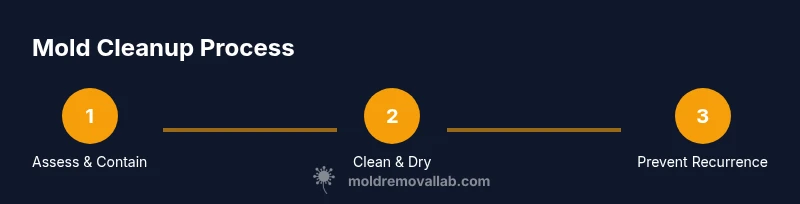
- Define the area and establish containment with plastic sheeting and tape. Wear PPE and avoid disturbing the mold beyond the immediate patch. - Moderate the moisture source by fixing leaks and running a dehumidifier. - Clean the surface with a detergent solution, scrub gently, and rinse with clean water. - Dry the area thoroughly, ideally to under 50% relative humidity, before removing containment. - Clean and bag all disposable supplies, then sanitize tools to prevent cross-contamination. - Reassess the space after 24-48 hours to ensure no new growth appears. These actions reflect conservative, safety-forward principles recommended by Mold Removal Lab.
Moisture control and prevention
The root cause of most mold problems is moisture. After cleanup, maintain indoor humidity below 50 percent, fix any leaks promptly, and improve ventilation in problem areas such as bathrooms and basements. Use exhaust fans during showers, run dehumidifiers in damp spaces, and keep relative humidity monitored with a hygrometer. Regularly inspect for water intrusion after heavy rain or snowmelt, and immediately address any staining or musty odors. Long-term prevention hinges on moisture management, material replacement when contaminated, and routine inspections.
Authority sources and evidence
For further reading and verification, consult authoritative sources that guide mold safety and remediation practices. The CDC provides guidance on mold health risks and damp environments, the EPA outlines mold in indoor environments, and OSHA discusses workplace mold considerations. These sources inform the best practices outlined here and help homeowners make informed decisions about DIY cleanup versus professional services. Always cross-check recommendations with official guidance when dealing with larger or persistent mold problems.
Mold Removal Lab verdict and final safety guidance
The Mold Removal Lab Team emphasizes that safety should come first. DIY cleanup without PPE is discouraged, and remediation work should be scaled to the extent of growth and moisture exposure. For larger areas, persistent growth, or growth behind walls, professional remediation is recommended. By prioritizing PPE, containment, moisture control, and thorough drying, you reduce the risk of health effects and structural damage. Our verdict is clear: protect yourself, follow evidence-based methods, and seek professional assistance when in doubt.
Common mistakes homeowners make and how to avoid them
Common mistakes include skipping PPE, underestimating the scope of growth, attempting to clean porous materials without disposal, and not addressing moisture sources. Avoid dry sweeping, as it can spread spores. Do not mix cleaners haphazardly, and never ignore signs of water damage or hidden mold. Plan, document, and pause the work if you experience headaches, dizziness, or worsening symptoms. Safety and proper technique yield better results than speed alone.
When to inspect with professional equipment and services
If mold covers more than a small patch, recurs after cleaning, or involves HVAC ducting, walls, or insulation, it is time to contact a professional remediation service. A pro can perform a thorough assessment, contain the space, remove contaminated materials, and use specialized equipment to ensure complete drying and air quality restoration. The Mold Removal Lab Team supports timely professional intervention for cases beyond DIY scope, prioritizing health and safety.
Tools & Materials
- Respirator mask (N95 or higher)(Fit-tested respirator preferred; avoid disposable dust masks for mold work)
- Protective eyewear(Wraparound safety goggles or sealed glasses)
- Chemical-resistant gloves(Nitrile preferred; disposable gloves for cleanup tasks)
- Protective coveralls(Disposable or washable; avoid bringing mold to your clothes)
- Shoe covers(Disposable to prevent tracking spores)
- Plastic sheeting (6 mil or heavier)(To seal off the work area and contain debris)
- Duct tape(For securing plastic sheeting and sealing edges)
- Spray bottle with detergent solution(Mild detergent or EPA-approved cleaner)
- Detergent and water(Mild, non-ammonia-based cleaner)
- Soft-bristled scrub brush(Gentle scrubbing to lift mold without damaging surfaces)
- Microfiber cloths or rags(For wiping and drying surfaces)
- Bucket(For holding cleaning solution and rinsing cloths)
- HEPA vacuum cleaner(With a HEPA filter for dry cleanup after wet cleaning)
- Heavy-duty trash bags(Seal contaminated materials securely for disposal)
- Moisture meter or hygrometer(Track humidity levels during and after cleanup)
- Dehumidifier(Promotes faster drying and prevents regrowth)
- Tarp or drop cloths(Optional floor protection under containment area)
Steps
Estimated time: 60-120 minutes for a small area; larger jobs may require multiple sessions over several days
- 1
Assess area and establish containment
Identify the extent of visible mold and potential hidden growth. Set up plastic barriers and seal doors to prevent spores from spreading. This containment is critical to protect other living spaces and reduce cleanup scope.
Tip: Begin with the most contaminated area first to minimize cross-contamination. - 2
Prepare PPE and work area
Put on the full PPE kit before touching any mold. Remove outdoor shoes, and place disposable coverings over floors. Turn off HVAC systems to avoid circulating spores.
Tip: Do a quick PPE check before each cleanup session to ensure a proper seal. - 3
Moisture control and leak repair
Fix any leaks and dry the area as much as possible. Use a dehumidifier and fans to reduce humidity, but avoid creating a cross-breeze that disperses spores widely.
Tip: Aim for humidity below 50% to slow mold regrowth. - 4
Dry cleaning and gentle scrubbing
Dampen moldy surfaces with a detergent solution and scrub with a soft brush to lift mold. Do not dry-sweep, as this disperses spores into the air. Wipe away loosened material with a damp cloth.
Tip: Keep cleanup brief and frequent to minimize airborne spores. - 5
Rinse, dry, and disinfect (porous vs non-porous)
Rinse surfaces with clean water where appropriate. Porous materials showing extensive damage may require removal and disposal. Non-porous surfaces can be wiped down with a clean, damp cloth and allowed to dry completely.
Tip: Do not leave moisture on any surface; moisture is the primary driver of mold recurrence. - 6
Tool decontamination and waste disposal
Clean tools with detergent and water, then vacuum with a HEPA filter. Place contaminated materials in sealed bags for disposal and wash hands and exposed skin immediately after handling.
Tip: Keep waste sealed until it is disposed of in an outdoor trash container. - 7
Reassess and document results
Recheck the space for any remaining visible mold after drying and monitor moisture for several days. Take photos to document the condition before and after cleanup for records.
Tip: Use a moisture meter to verify drying progress across walls and floors.
FAQ
Is it safe to clean mold without a mask or PPE?
No. Mold exposure can irritate airways and trigger allergic reactions. PPE reduces risk and is recommended for any cleanup.
No. Mold exposure can irritate airways and trigger allergies; use PPE for safety.
When should I call a professional?
If mold covers a large area, recurs after cleaning, or is behind walls/ducts, professional remediation is advised.
Call a professional when growth is extensive or behind walls.
What PPE is essential for DIY cleanup?
A respirator rated for particulates, eye protection, gloves, and protective clothing are essential.
Use a respirator, eye protection, gloves, and protective clothing.
Can bleach remove mold on porous surfaces?
Bleach is not recommended for porous materials; it may not reach embedded mold and can cause moisture problems.
Bleach is not ideal for porous surfaces; it doesn't always reach embedded mold.
How long does it take to dry a cleaned area?
Drying time depends on space size and moisture controls; monitor humidity to reach under 50% relative humidity.
Drying times vary, but aim for humidity under 50%.
What are signs of mold exposure after cleanup?
Persistent coughing, wheezing, eye irritation, or headaches may indicate ongoing exposure or allergies.
Watch for coughing, wheezing, or eye irritation after cleanup.
Watch Video
The Essentials
- Wear proper PPE before starting
- Contain the area to prevent spread
- Dry the space thoroughly to prevent regrowth
- DIY may be insufficient for large areas
- Consult official sources for safety guidelines