How to Clean Mold Out of a Dishwasher Safely and Effectively
Learn a practical, step-by-step method to safely remove mold from your dishwasher and prevent regrowth. This Mold Removal Lab guide covers safe cleaners, time-saving tips, and prevention techniques for a healthier kitchen.


According to Mold Removal Lab, you can clean mold out of a dishwasher safely by following a thorough, step-by-step routine that targets the interior, seals, and drain. Use non-toxic cleaners, proper scrubbing, and a consistent maintenance plan to prevent re-growth. This approach minimizes exposure and protects family health.
Why mold forms in a dishwasher and why it matters
Molds and mildews thrive in dishwashers where moisture lingers after cycles. The rubber seals, corners of the door, and the spray arms can trap damp air, while food residues and soap scum provide a nutrient source for mold growth. Left unchecked, mold can transfer to dishes and pose health concerns for sensitive individuals. The Mold Removal Lab team emphasizes that the most effective cleanup starts with understanding why mold develops in this appliance and committing to a thorough dry-down after each cycle. By addressing both the interior surfaces and the drain area, you reduce the chances of recurrence and keep dishes safer for family use.
Safety and health considerations
Cleaning mold releases spores that can irritate lungs or trigger allergies in some people. Protect yourself with gloves, a mask, and eye protection, and ensure the area is well-ventilated. Never mix cleaners such as bleach with ammonia or products containing acids, as this creates toxic gases. If anyone in the home has respiratory issues, consider performing the clean outdoors or with doors open to minimize exposure. After cleaning, thoroughly rinse hands and sanitize any tools used on contaminated surfaces. Mold can be stubborn, so patience and a calm, methodical approach are essential.
Tools and cleaners you'll need
Having the right tools makes the job safer and faster. Gather non-abrasive sponges, a soft-bristle brush, microfiber cloths, a spray bottle, a bucket, and tools to remove racks for access. For cleaners, use white vinegar, baking soda, and hydrogen peroxide (optional) as safer alternatives to harsh chemicals. Avoid bleach for routine dishwasher cleaning, as it can damage gaskets and produce fumes in a closed cabinet. Always read your dishwasher’s manual for any chemical restrictions. This section also reinforces the importance of drying every surface after cleaning to prevent mold regrowth.
Step-by-step process to clean mold out of dishwasher
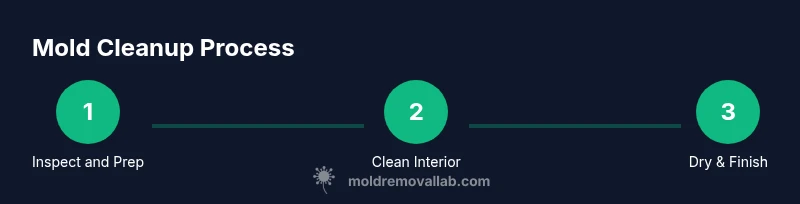
- Prepare the area and safety gear: put on gloves and a mask, open windows or run a vent, and pull out racks to gain full access.
- Inspect the interior: check door seals, gaskets, filters, and spray arms for visible mold and food debris. Remove any removable parts for separate cleaning.
- Clean the interior: use a non-abrasive sponge with a vinegar solution (1 cup vinegar per gallon of water) to wipe down walls, seal edges, and the door frame. For stubborn spots, sprinkle baking soda and scrub gently.
- Treat the filter and drain area: remove and rinse or scrub the filter; use a brush to clean the drain area to remove trapped particles.
- Rinse and dry thoroughly: run a hot-water cycle with an empty dishwasher using a vinegar or baking soda treatment, then dry all surfaces with a clean microfiber cloth.
- Reassemble and test: reinsert racks, run a quick hot cycle, and inspect for any remaining odors or moisture. If odors persist, repeat a light cleaning cycle.
- Prevent future growth: implement a post-cycle dry-down routine and monthly checks of seals and filters to minimize damp conditions that favor mold growth.
- Document your maintenance: keep a simple log of cleaning dates and parts checked to help catch recurring issues early.
Preventing mold return: maintenance and best practices
Prevention is more effective than remediation. After each wash, crack open the door for a few minutes to allow moisture to escape and interior surfaces to dry. Run the hottest cycle regularly and consider a monthly cleaning with a non-toxic cleaner. Replace worn gaskets or seals promptly, and keep the dishwasher interior free of food debris. By combining immediate cleanup with ongoing maintenance, you dramatically reduce the chance of mold returning.
Tools & Materials
- Latex or nitrile gloves(Protect hands from mold and cleaners)
- Goggles or protective eyewear(Prevent splashes from reaching eyes)
- Face mask or respirator(Minimize inhalation of spores)
- Soft-bristle brush(Loosen grime from seals and crevices)
- Non-abrasive sponge or microfiber cloth(Gentle cleaning without scratching surfaces)
- Spray bottle(For vinegar solution and cleaners)
- Bucket(Carrying water or cleaner if needed)
- White vinegar (5% acidity)(Natural cleaner for mold and odors)
- Baking soda(A mild abrasive for scrubbing and deodorizing)
- Hydrogen peroxide (3%)(Optional disinfectant for stubborn spots)
- Bleach (sodium hypochlorite, 5%)(Only if specified by manufacturer and used with ventilation; never mix with ammonia or acids)
- Old towels or microfiber rags(Dry surfaces after cleaning)
Steps
Estimated time: Estimated total time: 60-90 minutes
- 1
Prepare safety gear and workspace
Put on gloves, mask, and eye protection. Open windows or run a vent to improve airflow. Remove dishwasher racks to gain full interior access and clear the area of any nearby items that could get splashed.
Tip: Take a quick photo of seals before you start to track wear and tear over time. - 2
Inspect seals and filter
Carefully examine the door gasket, seals, and filter for mold growth or trapped debris. Remove the filter if possible and rinse it under warm water while brushing away any grime.
Tip: If you find cracks in the gasket, plan a gasket replacement to prevent future leaks. - 3
Apply cleaners to interior surfaces
Spray a vinegar solution on the interior walls, door frame, and seals. Let it sit for a few minutes, then scrub with a non-abrasive sponge. For tough spots, sprinkle baking soda and gently scrub with the brush.
Tip: Avoid mixing vinegar with hydrogen peroxide in the same area to prevent chemical reactions. - 4
Scrub hard-to-reach areas
Use the brush to clean spray arms, crevices, and corners where grime hides. Rinse with clear water to remove residue and loosened particles.
Tip: Rotate spray arms by hand to ensure all nozzles are clear. - 5
Rinse and dry the interior
Run an empty hot-water cycle with a mild cleaner or vinegar to rinse surfaces. After the cycle, wipe all surfaces dry with a microfiber cloth and leave the door ajar for airflow.
Tip: Do not leave standing water anywhere inside the tub. - 6
Reassemble and test
Put racks back in place and run a quick test cycle to ensure there are no leaks and the dishwasher drains properly.
Tip: If you notice odors, repeat cleaning on problem areas and dry thoroughly. - 7
Post-clean maintenance
Create a simple maintenance schedule: check seals monthly, clean the filter per the manufacturer’s instructions, and perform a light clean every 1–2 months to prevent buildup.
Tip: Keep a small notebook with cleaning dates for reference. - 8
Know when to escalate
If mold reappears within weeks or you notice persistent leaks, consider professional service to assess for hidden mold and moisture intrusion.
Tip: Persistent mold may indicate a moisture problem behind walls or under cabinets.
FAQ
Is mold in a dishwasher dangerous to health?
Mold in a dishwasher can trigger allergies or asthma in sensitive individuals and may cause respiratory irritation. Proper cleaning and drying reduce risk, but consult a professional if symptoms persist.
Mold in a dishwasher can affect breathing for some people, so clean thoroughly and dry well. If symptoms persist, seek professional advice.
Can I use bleach to clean mold in a dishwasher?
Bleach can damage seals and release strong fumes in confined spaces. It’s generally safer to use vinegar and baking soda for routine cleaning, and only use bleach if the dishwasher manual allows it and with proper ventilation.
Bleach can hurt seals and create fumes. Prefer vinegar and baking soda, and check the manual before using bleach.
How often should I clean mold from my dishwasher?
For households with visible mold, clean monthly or after heavy use. If you only see minor mildew, schedule a maintenance clean every 1–2 months and inspect seals weekly.
Clean once a month for mold-prone dishwashers, and inspect seals weekly.
Why does mold keep coming back after cleaning?
Recurring mold usually signals ongoing moisture retention or poor drying after cycles. Check door seals, filters, and drainage, and ensure the interior dries completely between uses.
Recurring mold often means moisture is staying behind. Focus on drying and sealing the areas where water lingers.
Are dishwasher molds always black and obvious?
Mold can appear as black, white, or gray and may be just a sliming film or a fuzzy growth. Any discoloration with a musty odor warrants cleaning and inspection.
Mold isn’t always black; any color and musty smell should prompt cleaning.
Watch Video
The Essentials
- Inspect seals and filters regularly.
- Use safe, non-toxic cleaners first.
- Dry interior thoroughly after each wash.
- Schedule monthly maintenance to prevent regrowth.