Brick Mold Around Windows: Identification, Removal, and Replacement
Learn how to identify, remove, and replace mold around brick molding commonly sold at Home Depot sources. A practical, step-by-step guide for homeowners and renters.


Identify moisture sources, assess mold growth on brick mold, and follow a safety-first, step-by-step plan to remove mold, replace damaged molding, and seal joints to prevent future growth. The guide covers quick checks, tools, and practical maintenance, with sourcing tips for brick molding from Home Depot and other reputable outlets.
What is Brick Mold and How Mold Develops on It
Brick mold refers to the trim or casing that sits around exterior window openings to seal the gap between siding and the window frame. It can be made from wood, vinyl, aluminum, or composite materials. When moisture infiltrates behind the molding—due to a flashing failure, blocked drainage, roof or siding leaks, or simple condensation—the humid environment can foster mold growth on the surface or behind the trim. The Mold Removal Lab team emphasizes that moisture control is the single most important factor in preventing brick mold growth. Signs to watch for include dark patches, fuzzy or powdery textures on the trim, soft or warped wood, peeling paint, and a persistent musty odor near windows. If you spot mold on brick mold, identify and fix the moisture source first, then proceed with careful remediation. Home Depot is a common source for brick molding, but choose material suited to climate and exposure.
Quick Visual Checks to Spot Mold and Moisture
Begin with a careful visual survey of the brick mold and surrounding area. Look for discoloration, staining, or textured growth on the molding itself and on the adjacent wall. A musty indoor odor often indicates hidden mold behind the trim. Check for cracks, gaps, or missing caulk along the window perimeter that can allow water intrusion. Inspect weep holes and flashing at the head of the window; clogged or damaged components can channel water into the brick mold joint. If the interior wall has damp patches or soggy insulation, the problem may extend beyond the trim. Document your findings with photos for reference when evaluating replacement options and deciding whether to call a professional. According to Mold Removal Lab, addressing moisture sources first reduces the likelihood of regrowth.
Tools and Materials You’ll Need
- N95 respirator mask (required) — protects you from mold spores during removal
- Safety goggles (required) — protects eyes from dust and debris
- Vinyl gloves (required) — protects skin and helps keep your hands clean
- Drop cloths or plastic sheeting — traps debris and protects valuables
- Scraper or putty knife — removes loose material without damaging surrounding surfaces
- Nylon stiff brush — scrubs mold from rigid surfaces
- Bucket with mild detergent — for surface cleaning
- White vinegar or hydrogen peroxide (3%) — natural disinfectants; never mix with chlorine bleach
- Mold-resistant caulk or sealant — for sealing gaps after replacement
- Replacement brick molding (wood or vinyl) — choose material suitable for climate
- Caulking gun — for applying sealant
- Utility knife and measuring tape — trim and fit molding precisely
- Moisture meter (optional) — helps confirm dryness after cleaning
Understanding the Step-by-Step Process
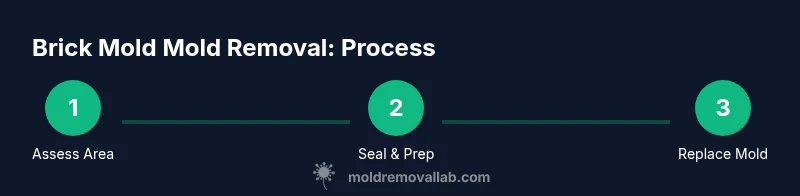
A step-by-step remediation approach helps keep the work organized and minimizes the chance of regrowth. The process centers on three pillars: controlling moisture and ventilation, safely removing and cleaning affected mold, and properly replacing and sealing the brick molding to prevent future leaks. Start by isolating the work area to prevent spores from spreading, identifying and fixing moisture sources (flashing, drainage, or leaks), and ensuring the surrounding surfaces are dry before you begin cleaning. The goal is not only to eliminate visible mold but also to interrupt the conditions that encouraged its growth. This approach aligns with Mold Removal Lab guidelines: moisture control, careful cleaning, and durable sealing are essential for lasting results. For those purchasing materials, Home Depot and similar outlets carry a range of brick molding options suitable for different climates and exposure levels.
Safety, Containment, and Dust Control
Mold remediation around brick mold requires strict safety practices. Wear an N95 respirator, eye protection, and gloves. Use plastic sheeting to contain the work area and create a makeshift negative-pressure zone if possible to prevent spores from drifting into other rooms. Work from the cleanest area outward, regularly clean tools with a damp cloth or HEPA-vacuum, and avoid dry sanding or aggressive scraping that could release spores into the air. If mold has penetrated porous substrates or is widespread, consider pausing the project and consulting a professional. Always follow manufacturer instructions for any cleaning products and never mix cleaners with bleach. The priority is safety and minimizing exposure to you and others in the home.
Step-by-Step: Removing Mold from Brick Mold
This section provides a high-level overview of the removal phase. It covers identifying loose material, gently prying away damaged sections, and preparing the area for cleaning and replacement. The actual, detailed steps are outlined in the dedicated STEP-BY-STEP block to ensure precision and safety. Begin by isolating the area, then carefully detach any moldy brick molding that is still loosely attached, taking care not to damage the window frame or adjacent siding. If containment is compromised, pause and re-establish barriers. After removal, seal exposed framing where appropriate to limit moisture intrusion, and proceed to cleaning with non-abrasive methods. In all cases, use caution around electrical components and ensure power is off near the window.
Step-by-Step: Cleaning, Drying, and Treating After Removal
Post-removal cleaning focuses on removing residual mold and preparing the surface for replacement. Scrub the exposed framing with a mild detergent solution, rinse with clean water, and dry completely before applying any antimicrobial treatment. Vinegar or hydrogen peroxide can help reduce surface mold, but avoid mixing these agents with chlorine bleach. After cleaning, thoroughly dry the area using fans or dehumidifiers to prevent moisture rebound. Apply an approved mold-inhibiting primer or protective coating to porous substrates if appropriate, and ensure all surfaces are dry to the touch before reinstalling new molding.
Replacement: Materials, Installation, and Preventive Measures
Choosing the right brick molding is critical for long-term performance. Vinyl options offer strong moisture resistance and low maintenance, while wood provides an authentic look but requires sealing and repainting in damp climates. Measure carefully before purchasing, cut precise lengths, and install with corrosion-resistant nails or fasteners. Seal all joints with mold-resistant caulk, focusing on the exterior face where water can collect. Reinstall the new molding with consistent gaps and ensure proper flashing and caulking behind it. Finally, consider adding ventilation improvements or humidity control to reduce future mold risk. For sourcing, check Home Depot’s online catalog or visit a local store to compare profiles, thicknesses, and finishes.
Authority Sources
- This article references authoritative guidance from federal and health organizations to support best practices in mold remediation. For further reading and verification, consult these sources:
- https://www.epa.gov/mold/mold-guide
- https://www.cdc.gov/mold/default.htm
- https://www.osha.gov/molds
Tools & Materials
- N95 respirator mask(Protects against inhalation of mold spores)
- Safety goggles(Eye protection against splashes and dust)
- Vinyl gloves(Skin protection; extend to the forearms if possible)
- Drop cloths or plastic sheeting(Contains debris and protects adjacent areas)
- Scraper or putty knife(Lift loose material without gouging)
- Nylon stiff brush(Scrubs mold from hard surfaces)
- Bucket with mild detergent(For initial cleaning)
- White vinegar or hydrogen peroxide(Natural disinfection; avoid mixing with bleach)
- Mold-resistant caulk or sealant(Seals gaps after replacement)
- Replacement brick molding (wood or vinyl)(Select based on climate and exposure)
- Caulking gun(Applies sealant neatly)
- Utility knife(Trims molding as needed)
- Measuring tape(Ensure correct lengths)
- Moisture meter (optional)(Confirms dryness after remediation)
Steps
Estimated time: 3-6 hours
- 1
Assess and Prep Area
Survey the scope, protect surrounding surfaces, and lay down drop cloths. Identify moisture sources and plan containment to prevent spore spread. Gather tools and materials before starting to avoid mid-task interruptions.
Tip: Create a dedicated work zone and keep pets/kids away. - 2
Contain and Protect
Set up plastic sheeting to isolate the work zone. Seal doorways and vent openings as needed, and use a HEPA-filtered vacuum to manage loose spores. Ensure power is off if working near electrical components.
Tip: Maintain a clean perimeter and avoid cross-contamination. - 3
Remove Damaged Brick Mold
Gently detach moldings that are structurally compromised or heavily mold-infested. Avoid forceful prying that could damage framing. Keep debris in the containment area for proper disposal.
Tip: Label or photograph sections to assist reinstallation. - 4
Clean and Disinfect Surface
Scrub the exposed trim and surrounding framing with a mild detergent solution. Rinse with clean water and dry completely before applying disinfectants. Use vinegar or hydrogen peroxide as an alternative to harsher chemicals, but never mix cleaners.
Tip: Work from top to bottom to prevent drips. - 5
Dry Thoroughly and Inspect
Use fans or a dehumidifier to accelerate drying. Check for any remaining damp spots, especially in corners or behind caulk lines. Confirm dryness before proceeding to replacement.
Tip: If you suspect hidden moisture behind walls, pause and reassess. - 6
Install Replacement Brick Molding
Cut new molding to fit precisely, then attach using corrosion-resistant nails or fasteners. Ensure gaps are uniform and joints are tight. Apply mold-resistant caulk along the exterior gaps to seal out moisture.
Tip: Verify alignment with a level before securing permanently. - 7
Seal and Weatherproof
Seal all joints and around the edges with a mold-resistant sealant. Check flashing and ensure proper overlap to direct water away from the window. Reconnect any trim pieces and re-check the surrounding siding.
Tip: Re-inspect after a rain to confirm there are no new leaks. - 8
Document and Maintain
Take after-action photos and note maintenance tasks. Create a simple seasonal check for moisture, caulk condition, and mold signs. Schedule periodic inspections especially after heavy rains or rapid temperature changes.
Tip: Keep a maintenance log to catch problems early.
FAQ
Can brick mold harbor mold behind it if I can't see it?
Yes. Mold can grow behind brick molding when moisture is present. You may need to carefully remove sections to inspect behind the trim and ensure the underlying framing is dry before replacing the molding.
Yes, mold behind brick mold is possible if moisture is present; you may need to inspect behind the trim to assess the underlying framing.
How can I tell if the mold is behind the brick mold vs. just on the surface?
A musty odor, staining that expands behind the trim, or damp patches on interior walls suggest hidden mold. A moisture meter helps determine underlying moisture, and an inspection behind the molding confirms hidden growth.
A musty odor or damp patches behind the trim suggests hidden mold; use a moisture meter or an inspection to confirm.
Is it safe to replace brick molding myself?
DIY replacement is feasible for those comfortable with basic carpentry and mold-safe practices. If there's widespread mold, significant moisture issues, or uncertain framing, a licensed contractor or mold remediation professional is advisable.
You can replace brick molding yourself if you’re comfortable with basic carpentry and safety, but call a pro for large mold or moisture problems.
What materials work best for brick mold in damp climates?
Vinyl brick mold is highly moisture-resistant and low maintenance, making it a strong choice for damp climates. Wood can be used for a traditional look but requires sealing and maintenance. Aluminum is another durable option depending on climate.
Vinyl molding is a strong choice in damp climates; wood needs sealing, and aluminum is another durable option depending on your climate.
How often should I inspect brick mold for signs of mold?
Inspect at least seasonally and after heavy rains or rapid temperature changes. Look for new stains, warping, texture changes, or musty odors near the window area.
Check brick mold every season and after heavy rain for signs of mold or moisture problems.
Watch Video
The Essentials
- Inspect moisture sources before remediation.
- Contain area and use proper PPE to prevent exposure.
- Choose durable molding materials and seal joints thoroughly.
- Schedule regular maintenance to catch moisture early.