Exterior Door Brick Mold Mold Removal and Prevention
Practical, step-by-step guidance for identifying, cleaning, and preventing mold on exterior door brick mold. Safe methods for homeowners with expert insights from Mold Removal Lab.


Goal: remove mold from exterior door brick mold and prevent future growth. You’ll assess moisture sources, wear PPE, clean with safe solutions, dry thoroughly, reseal flashing, and replace damaged trim if needed. This guide provides a practical, step-by-step plan and safety tips for homeowners.
What exterior door brick mold is and why it matters
Exterior door brick mold refers to the trim around a door frame that can be made from wood, metal, or vinyl. When moisture enters the doorway area—through gaps in flashing, settling siding, or poor drainage—mold can take hold on the surface of brick mold and adjacent framing. The Mold Removal Lab team notes that this is a common, overlooked moisture hotspot in many homes, especially where doors sit close to ground level or where seasonal rains are heavy. Left untreated, mold growth here can spread into door seals, jambs, and even interior walls, creating musty odors and potential health concerns for occupants. Understanding how moisture moves around your doorway is the first key to preventing future problems.
In addition to aesthetics, addressing exterior door brick mold is a health and safety issue. Mold can irritate the skin, eyes, and lungs, particularly for those with allergies or asthma. By focusing on proper sealing, ventilation, and timely cleanup, homeowners can reduce moisture buildup and limit mold recurrence. This approach aligns with Mold Removal Lab analysis, which emphasizes moisture control as a central pillar of effective mold remediation.
Common moisture pathways around exterior door brick mold
To prevent mold, start by identifying moisture sources near the door. Gaps around the sill, improper flashing, clogged weep holes, poor door hardware installation, and vegetation trapped near the threshold are frequent culprits. Rainwater can wick into porous trim and migrate along the frame, especially if the door is poorly flashed or if caulking has weathered away. Another contributor is condensation from indoor humidity meeting a cold door surface in winter. By mapping these pathways, you’ll know where to focus your remediation efforts. Regular maintenance, like clearing debris from gutters and ensuring a graded sill that directs water away from the door, is vital for long-term results.
Mold Removal Lab’s guidance stresses documenting moisture events (heavy rain, snowmelt, or sprinkler overspray) to anticipate when you’ll need to recheck seals and re-clean.
Signs of mold and moisture around exterior door brick mold
Look for visible dark spots, fuzzy growth, or powdery residue on the brick mold and surrounding trim. Warped or swollen wood, peeling paint, or discolored caulk are red flags that moisture has been trapped here long enough to support mold. Musty odors near the doorway are another indicator, especially when outdoor conditions are dry. If you notice ongoing water intrusion after rain, inspect the threshold, weather-stripping, and the bottom of the door for gaps. Early detection makes remediation safer and more effective, preventing a larger mold footprint inside your wall cavity.
Pro tip: shine a flashlight at the seam between the brick mold and the door frame in the evening; subtle moisture beads or darkening can reveal hidden leaks that daytime checks miss.
Cleaning strategies and safety for exterior door brick mold
Before cleaning, protect yourself with appropriate PPE and isolate the work area to minimize dust migration. Start with dry brushing to remove surface mold, then move to a damp wipe using a mild detergent solution. For more stubborn growth, a mold-specific cleaner or a mixed cleaner solution may be necessary, following product instructions. Avoid using high-pressure water directly on the wood trim, which can worsen water intrusion. After cleaning, thoroughly dry all surfaces, including the back of the trim and any cavities, to prevent regrowth. If you encounter porous wood or damaged flashing, plan for replacement rather than only cleaning. The goal is to eliminate current mold and reduce future moisture retention.
Step-by-step remediation plan (overview)
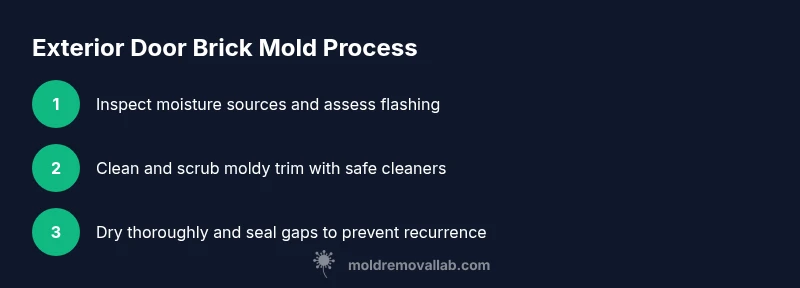
This section provides a concise action plan you can reference when you’re ready to perform remediation. It emphasizes safety, careful cleaning, drying, and preventive sealing. The steps below align with the detailed Step-By-Step block and are designed to be practical for homeowners working on single doors rather than entire walls.
Prevention and long-term maintenance for exterior door brick mold
Preventing recurrence starts with proper flashing and sealing. Install or replace weather-resistant flashing under the brick mold to direct water away from the doorway. Ensure the sill slopes away from the door so that water doesn’t pool at the threshold. Maintain caulked joints and re-caulk every few years or after exterior paint fails. Adequate ventilation around entryways helps reduce humidity, preventing mold in damp conditions. Regular inspections after heavy rains or snowmelt will catch issues early and keep your exterior door brick mold healthier long-term.
When to replace components and consider professional help
If the mold is extensive, if wood has rotted, or if moisture issues persist despite your remediation efforts, replacing damaged trim, flashing, or sections of the door frame may be necessary. While minor mold on exterior door brick mold can be addressed by homeowners, larger projects that involve structural framing or flashing installation are safer and more effective when performed by a licensed professional. Mold Removal Lab recommends obtaining a recent assessment if you’re unsure about the extent of the damage or if you encounter persistent leaks after remediation.
Tools & Materials
- Safety goggles(Protect eyes from cleaners and debris)
- Nitrile gloves(Chemical-resistant and durable)
- Respirator mask(Optional for large mold areas)
- Disposable coveralls(Extra protection for heavy contamination)
- Stiff-bristle scrub brush(Effective on textured trims)
- Spray bottle(For cleaning solutions)
- Mild detergent(Gentle base for initial cleaning)
- Commercial mold cleaner(Follow label directions)
- Bleach solution or borax (optional)(If needed for stubborn mold; ensure good ventilation)
- Putty knife(For removing loose paint or soft wood)
- Caulk and sealant(Re-seal gaps after cleaning)
- Towels/paper towels(Drying and cleanup)
Steps
Estimated time: 2-4 hours
- 1
Assess moisture sources
Begin by inspecting flashing, door sill, and surrounding siding to identify where water is entering. Document findings with photos and note any patterns after rainfall or irrigation. This ensures you target the root cause rather than just the visible mold.
Tip: Take photos from multiple angles and compare after remediation to verify improvements. - 2
Protect yourself and prepare the area
Put on PPE, cover nearby vegetation or outdoor surfaces, and seal off the interior side of the doorway to limit dust and debris intrusion. Move any furniture away and lay down a drop cloth. A clean, protected workspace reduces contamination risk.
Tip: Ventilate the area if possible; outdoor work is best on dry, calm days. - 3
Remove moldy materials
Carefully remove any loose paint, damaged trim, or rotted wood around the brick mold. Place debris in sealed bags and dispose according to local guidelines. If wood is structurally compromised, plan replacement rather than cleaning.
Tip: Do not force removal of tight or stubborn sections; gentler prying preserves framing and surrounding materials. - 4
Clean the surface
Apply a mild detergent solution to the moldy area and scrub with a stiff-bristle brush. For persistent growth, apply a dedicated mold cleaner and let it sit for the recommended dwell time before rinsing. Ensure you reach into crevices and back sides where mold hides.
Tip: Avoid metal scrapers that could gouge wood; test cleaners on a hidden area first. - 5
Dry thoroughly and seal gaps
Dry the area completely using towels and, if available, a fan. Inspect for residual moisture and re-check after several hours. Seal any gaps with caulk or weatherproof sealant, and re-install flashing to direct water away from the doorway.
Tip: Moisture control is ongoing—revisit the area after heavy rain to confirm dry conditions. - 6
Repair or replace damaged components
If trim, wood, or flashing show signs of rot or persistent mold, replace those components and repaint or re-stain as needed. Ensure the door frame remains square and well-sealed with the frame. This reduces future moisture retention.
Tip: Keep a maintenance log for caulk and flashing replacements to track prevention over time.
FAQ
What causes mold on exterior door brick mold?
Mold on exterior door brick mold is typically caused by moisture intrusion from flashing gaps, poor drainage, or high humidity. Inspecting and repairing flashing, seals, and the door threshold helps prevent recurrence.
Mold on exterior door brick mold usually comes from water getting in. Check flashing and seals and fix them to stop it from coming back.
Can I remove mold myself, or should I hire a pro?
Small, non-structural mold on exterior door brick mold can often be addressed by a careful homeowner using approved cleaners and proper safety gear. If you see rot, extensive growth, or water intrusion persists, consider hiring a licensed mold remediation professional.
You can handle small mold growth yourself with the right cleaners and protective gear, but call a pro if there’s rot or persistent leaks.
Are bleach-based cleaners safe for exterior wood trim?
Bleach can be effective for surface mold but may damage wood and degrade sealants if not used carefully. Always ventilate, test first, and follow product directions. In some cases, milder cleaners or commercial mold removers are preferred.
Bleach can help but test first and ventilate. It can damage wood and seals if used improperly.
When should I replace flashing or trim rather than cleaning?
Replace flashing or trim when there is rot, warping, persistent mold after cleaning, or recurring moisture intrusion. Repairs only address symptoms; replacement handles the underlying damage and prevents future issues.
Replace damaged flashing or trim if it’s rotten or repeatedly getting moldy after cleaning.
What maintenance helps prevent future mold on exterior door brick mold?
Regularly inspect caulking, seals, and flashing; ensure proper drainage away from the door; keep humidity in check around entryways; and re-seal or repaint damaged areas as soon as you notice wear.
Do regular checks on seals and flashing and keep humidity low around the door to stop mold from returning.
Is mold around exterior door brick mold a health risk?
Mold can affect sensitive individuals, causing allergy symptoms or respiratory irritation. If you have health concerns or a known mold sensitivity, consider professional assessment and remediation.
Mold can irritate lungs and be risky for sensitive people; seek a professional check if needed.
Watch Video
The Essentials
- Identify and fix moisture sources first
- Use proper PPE and safe cleaners
- Dry thoroughly to prevent regrowth
- Seal gaps and update flashing to direct water away
- Replace damaged components when necessary