Black Mildew: Safe, Practical Home Remediation Guide
Learn practical, safe steps to identify, clean, and prevent black mildew in homes. This Mold Removal Lab guide covers moisture control, safe cleaners, PPE, and long-term prevention strategies for renters and homeowners.


You will learn practical, step-by-step methods to identify, contain, and remove black mildew from damp areas in your home, with a focus on safety, moisture control, and prevention. This guide covers safe cleaning products, PPE, containment strategies, and when to seek professional help. Proper moisture management is essential for lasting results.
What black mildew is and how it forms
Black mildew is a common, moisture-loving mold that often appears as dark, powdery patches on walls, ceilings, grout, and other damp surfaces. According to Mold Removal Lab, it typically thrives in areas with persistent moisture and poor airflow, such as bathrooms, basements, and kitchens. It can grow rapidly if humidity or leaks go unchecked, turning minor dampness into a visible mold problem. Recognizing the signs early—color changes, musty odor, and moisture stains—helps prevent widespread growth and reduces health risks for occupants. The Mold Removal Lab team emphasizes that early detection is the first step toward effective remediation and long-term prevention.
Identifying black mildew quickly also means noting its texture and substrate. On nonporous surfaces like tile or glass, it may scrub away more easily than on porous materials such as drywall or wood. Treating porous materials often requires containment and, in many cases, replacement rather than cleaning. Education about how mildew grows enables homeowners to target the root cause—excess moisture—and address it to stop future blooms.
Distinguishing black mildew from other mold types
Black mildew is frequently confused with other indoor molds, but several visual cues help differentiate it. It often presents as dark gray to black patches with a powdery or velvety texture and tends to form in areas with consistent moisture exposure. The difference between mildew and more aggressive molds like black mold (Stachybotrys) can be subtle, yet it matters for remediation approach. The Mold Removal Lab analysis highlights that while all molds require moisture to grow, some species are more invasive and may require professional remediation, especially if they colonize porous structural components. In practice, you can often manage small mildew patches yourself if you’re organized, wear PPE, and control humidity, but larger or deeply embedded growth warrants expert assessment.
On nonporous surfaces, hard scrubbing with detergent and water may remove most visible growth. On porous materials, contamination can penetrate the fibers, making complete removal difficult without replacement. If you notice recurring patches after cleaning efforts, re-check moisture sources and consider consulting a remediation professional to prevent regrowth.
Health considerations and who is most at risk
Exposure to black mildew can irritate the eyes, skin, nose, and throat and may trigger allergic reactions or asthma symptoms in sensitive individuals. People with chronic respiratory conditions, young children, pregnant individuals, and the elderly are often more vulnerable to adverse effects from mold exposure. The Mold Removal Lab analysis notes that persistent mold in living spaces can contribute to ongoing respiratory irritation and allergic responses, particularly with prolonged exposure. To protect your household, minimize direct contact, ventilate during cleaning, and wear appropriate PPE during removal. If you have a known mold allergy or asthma, consider restricting activities in affected rooms until remediation is complete.
In addition to acute symptoms, some individuals report headaches or fatigue during mold episodes. These symptoms typically improve after the mold source is addressed and moisture levels are stabilized. Always err on the side of caution: if you notice persistent symptoms that coincide with mold presence, seek medical advice and assess indoor air quality alongside remediation efforts.
Common moisture sources that fuel black mildew growth
The root cause of most black mildew outbreaks is excess moisture. Typical culprits include leaks from roofs, pipes, or windows, damp basements or crawl spaces, condensate on cold surfaces, and inadequate ventilation in moisture-prone rooms. Poor air movement traps humidity and creates a favorable environment for mildew. The Mold Removal Lab analysis reinforces the idea that addressing moisture upstream is more effective than aggressively cleaning the surface alone. In practice, look for stains, discoloration, bulges in walls, or musty odors as signals to investigate moisture carefully.
A practical approach is to map moisture-prone areas in your home and set a maintenance routine around humid seasons. Use humidity meters to monitor continuous dampness and consider upgrading ventilation fans or adding dehumidification in spaces such as bathrooms, laundry rooms, and basements. Reducing moisture not only curbs mildew growth but also helps protect building materials and indoor air quality over time.
Safe containment and preparation before cleaning
Containment is essential to prevent mildew spores from spreading to other areas of the home. Establish a clear work zone by sealing doors and vents with plastic sheeting and tape, especially in adjacent rooms and on pathways. PPE is non-negotiable: wear an N-95 respirator, goggles, and gloves to minimize exposure. Ensure the area is well-ventilated, but avoid blowing air from the contaminated zone into clean spaces. The preparation phase also involves removing or protecting nearby fabrics, furniture, and personal items that could trap spores.
During preparation, turn off nonessential electrical devices in the contaminated area and keep children and pets away. Place sealed bags of contaminated materials or disposable wipes immediately into a second bag and seal them for disposal. If the mildew appears to be extensive, or you detect hidden moisture (e.g., behind walls), plan to call a professional remediation service to avoid dislodging spores into the living spaces.
Long-term prevention: moisture control and monitoring
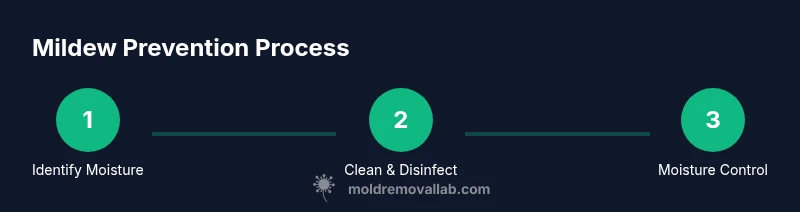
Prevention is the linchpin of lasting results. After initial cleanup, focus on controlling moisture through practical measures such as fixing leaks promptly, sealing exterior openings, using vapor barriers where appropriate, and improving air circulation. Constant humidity control reduces the likelihood of re-growth; aim to keep indoor humidity in a comfortable range for your climate. The Mold Removal Lab team emphasizes that consistent maintenance—like cleaning bathroom surfaces weekly, drying damp areas after showers, and using dehumidifiers during humid months—can dramatically lower mildew recurrence.
Consider implementing a routine: inspect bathrooms for signs of moisture weekly, repair any drainage issues, and replace porous materials adopting mildew growth patterns with moisture-resistant alternatives. When possible, improve natural ventilation by opening windows or installing vented exhaust fans. If you notice recurring patches despite these steps, re-evaluate moisture sources, insulation, and ventilation strategies, and consult a remediation professional for a deeper assessment.
Tools & Materials
- N-95 respirator(to protect from mold spores during cleanup)
- Latex or nitrile gloves(chemical-resistant and disposable where possible)
- Safety goggles or face shield(eye protection against splashes and spores)
- Disposable coveralls or old clothing(protect skin and prevent spread of spores)
- Plastic drop cloths or painter's plastic(seal off the work area from rest of home)
- Scrub brushes (stiff and soft)(for different surface textures)
- Buckets, sponges, and microfiber cloths(cleaning supplies and absorbent rags)
- Detergent or mild cleaning solution(basic cleaning before sanitizing)
- Spray bottle for cleaners(for even application of solutions)
- White vinegar (optional)(natural cleaner for nonporous surfaces)
- Hydrogen peroxide 3% (optional)(alternative cleaner for stains on nonporous surfaces)
- Absorbent disposal bags(sealed bags for contaminated materials)
Steps
Estimated time: Total cleanup and containment typically take 90-180 minutes for small to moderate areas; larger outbreaks or complicated moisture issues may require additional time.
- 1
Identify moisture sources and contain the area
Locate the root moisture cause—leaks, condensation, or poor ventilation—and set up a containment zone using plastic sheeting to prevent spores from spreading. Turn off or limit access to adjacent rooms during cleanup. This upfront step reduces cross-contamination and makes later steps more effective.
Tip: Seal doors and vents with plastic; keep children and pets away during containment. - 2
Protect yourself with PPE and ventilate
Put on an N-95 respirator, gloves, and eye protection before handling any mildew. If the space allows, open exterior windows or run a vent to improve airflow without blowing spores to other rooms.
Tip: Check PPE fit and replace disposable items if they become damp or contaminated. - 3
Remove loose material and dry surfaces
Gently remove any loose moldy materials that can be discarded. Dry surfaces as much as possible to limit spore release before you start cleaning further.
Tip: Do not aggressively scrub dry patches; this can release more spores. - 4
Clean nonporous surfaces with detergent, then disinfect
Wash hard, nonporous surfaces with mild detergent and water, then apply a disinfectant like a diluted solution suitable for the surface. Rinse and dry completely.
Tip: Avoid mixing cleaners; follow label instructions for contact times. - 5
Treat porous materials appropriately
Porous materials such as drywall or carpet with mildew may need removal and replacement rather than cleaning. If the material is salvageable, use appropriate cleaners and ensure thorough drying.
Tip: If uncertain about material integrity, consult a professional before tearing out materials. - 6
Dry thoroughly and recheck moisture
Use fans, dehumidifiers, and airflow to dry the space completely; moisture left behind invites regrowth. Re-inspect after 24–48 hours for any signs of new growth.
Tip: Target below 60% relative humidity if possible for many homes. - 7
Prevent recurrence with moisture control
Address the moisture source, improve ventilation, and maintain clean surfaces. Document results with photos and set a routine maintenance check.
Tip: Install humidity monitors in bathrooms and basements to catch humidity spikes early. - 8
Decide on next steps based on scope
If growth covers large areas, or if you’re unsure about the moisture source, contact a professional remediation service for a thorough assessment.
Tip: Professional remediation is advisable for large or recurrent outbreaks.
FAQ
What is black mildew and how is it different from other molds?
Black mildew is a common, moisture-loving mold that grows in damp spaces and appears as dark patches. It’s usually less invasive than some other molds, but it still signals moisture problems and requires proper cleaning and moisture control.
Black mildew is a common mold that grows in damp areas, showing up as dark patches. It signals moisture problems and needs careful cleaning and moisture control.
Is black mildew dangerous to health?
Yes, exposure can irritate skin, eyes, and airways. People with allergies or asthma may experience more pronounced symptoms. Minimize exposure by wearing PPE and limiting time in affected areas.
Yes, it can irritate eyes, skin, and lungs, especially for people with allergies or asthma. Use protection and limit exposure.
Can I clean black mildew myself, or should I hire a pro?
Small patches on nonporous surfaces can often be cleaned safely with proper PPE and cleaning steps. Large areas, porous materials, or recurrent growth should be handled by professionals to ensure complete remediation.
You can handle small, nonporous areas yourself, but larger or persistent growth should be cleaned by pros.
What cleaners are best for black mildew?
A detergent solution for initial cleaning followed by an appropriate disinfectant on nonporous surfaces works well. For porous materials, washing may be insufficient and replacement is often required.
Use a detergent solution first, then a disinfectant on hard surfaces. Porous materials may need replacement instead of cleaning.
How can I prevent black mildew from returning?
Control moisture, fix leaks promptly, improve ventilation, and dry damp areas after use. Regular cleaning and monitoring humidity levels can greatly reduce recurrence.
Keep humidity down, fix leaks, improve ventilation, and clean regularly to prevent mildew from coming back.
When should I call a professional remediation service?
If mold covers more than a small area, if moisture problems persist, or if you’re unsure about safety and structure, contact a licensed remediation professional.
Call a professional if the area is large, moisture keeps returning, or you’re unsure about safe cleanup.
The Essentials
- Identify the moisture source and isolate the area.
- Wear proper PPE and ventilate during cleanup.
- Use detergent on nonporous surfaces, and consider professional help for porous materials.
- Dry thoroughly and monitor humidity to prevent recurrence.
- The Mold Removal Lab team emphasizes moisture control as foundational for lasting results.