Black Mold Treatment: Safe Home Remediation Guide 2026
A practical, homeowner-friendly guide to safe black mold treatment, covering safety gear, containment, DIY remediation when appropriate, professional thresholds, disposal, and moisture control to protect health.


By the end of this guide you will identify black mold sources, contain the area, and complete a safe remediation process. You'll learn which steps you can DIY and when to call a professional, what PPE to wear, and how moisture control prevents recurrence. This guidance from Mold Removal Lab combines practical steps with safety recommendations.
What is black mold and why it matters
Black mold is a term homeowners often hear when damp conditions persist. It can appear as dark spots on walls, ceilings, or grout, and it’s commonly found in bathrooms, basements, and poorly ventilated kitchens. In some cases, it signals ongoing moisture problems that, if ignored, may cause indoor air quality to decline and health symptoms to surface. According to Mold Removal Lab, addressing moisture and contamination quickly reduces health risks and limits property damage. Distinguishing visible mold from hidden colonies behind walls is essential for an effective plan. Early action also minimizes disruption to your home and helps you budget remediation costs more accurately.
Immediate safety steps before you start
Before handling any moldy material, take safety precautions. Put on a properly fitted N95 respirator, non-latex gloves, and splash-proof goggles. Use disposable coveralls if contamination is heavy. Close doors to limit cross-contamination and set up plastic sheeting to create a containment zone. Do not mix cleaning products; always follow product labels. The goal is to protect your airways, skin, and eyes while keeping the rest of the home unaffected.
Assessing the extent of contamination
Mold visibility alone does not reveal the full extent of contamination. Look for water damage, staining, musty odors, or damp insulation. Use a moisture meter or hygrometer to gauge humidity—ideally under 60% in living spaces. Document affected areas with photos and notes to track remediation progress. The more precise your assessment, the more effective your treatment will be.
DIY vs professional remediation: making the call
Small, contained mold growth on non-porous surfaces (less than 10 square feet) is sometimes manageable for a DIY project with proper precautions. Larger areas, porous materials (drywall, insulation), or mold with a strong odor may require professional remediation to ensure complete removal and safety. If you have health issues or the contamination is in hard-to-reach places, contact a licensed specialist. Always verify licenses and insurance before work begins.
Cleaning and remediation steps for DIY projects
Follow these steps if you’re handling black mold treatment yourself and the contamination is limited:
- Remove and seal porous, mold-contaminated materials (e.g., drywall) if they are crumbling or heavily contaminated, placing them in sealed bags.
- Clean non-porous surfaces with a detergent solution and rinse.
- Disinfect with a mild hydrogen peroxide solution or a product recommended for mold cleanup, letting surfaces dry completely.
- Never mix cleaners with bleach or ammonia; ensure good ventilation during cleaning.
- After cleaning, re-check for residual moisture and dry promptly.
Drying, ventilation, and preventing recurrence
Mold growth often returns if moisture remains. Use dehumidifiers, run bathroom fans, fix leaks, and address ventilation gaps. Keep relative humidity below 50-60%. Improve airflow with fans or open windows when weather permits. Reassess after 24-48 hours and again after 1-2 weeks to confirm no reappearance. Prevention is essential to keep your home safe long-term.
Safe disposal of contaminated materials
Contaminated porous materials must be bagged in sealable plastic before disposal. Double-bagging reduces dust and spores entering living spaces. Label bags clearly and follow local regulations for disposal. If you used disposable tools, dispose of them as well. Clean reusable tools with detergent and air-dry before storing.
Health considerations and when to seek medical advice
Exposure to mold can irritate eyes, skin, and airways, particularly for sensitive individuals. Seek medical advice if you experience persistent coughing, wheezing, headaches, or unexplained fatigue after exposure. If you have allergies or asthma, practice extra caution and consider professional remediation for a thorough cleanup. Always verify that indoor air quality has improved before reoccupying treated spaces.
Documentation, testing, and follow-up
Keep a remediation log: dates, areas treated, materials removed, and moisture levels. If mold reappears, arrange for follow-up inspection or professional testing using accredited labs. Homeowner testing kits vary in reliability; consider a professional IAQ test if symptoms persist. Ongoing moisture management is the best defense against future outbreaks.
Tools & Materials
- N95 respirator with P100 filter(Fit-tested for maximum protection; replace when damp)
- Goggles or safety glasses(Leak-proof and anti-fog)
- Chemical-resistant gloves(Nitrile or neoprene)
- Disposable coveralls(With hood and booties preferred)
- Plastic sheeting (6 mil or heavier)(To seal off the area; tape edges)
- Painter's tape or duct tape(To secure plastic sheeting)
- Heavy-duty trash bags (30-45 gallon)(For contaminated materials)
- Spray bottle with detergent solution(General cleaner)
- Non-ammonia cleaner(Mold-cleaning product)
- Hydrogen peroxide 3% (optional)(Alternative disinfectant)
- HEPA vacuum (with filter)(For final cleaning)
- Moisture meter or hygrometer(To monitor humidity)
- Buckets(For mixing cleaning solutions)
- Scrub brushes and disposable sponges(Non-abrasive for delicate surfaces)
- Masking tape(To label and seal)
- Marker and notepad(Document areas and readings)
- Seal-able disposal bags or containers for waste(Double-bag contaminated waste)
Steps
Estimated time: Estimated total time: 6-12 hours (plus drying time)
- 1
Prepare space and gear
Set up containment by closing doors and laying plastic sheeting. Don your PPE (N95, goggles, gloves) and inspect the area for obvious hazards. Ensure you have all cleaning tools ready to minimize cross-contamination.
Tip: Do a quick read of label instructions on cleaners before you start. - 2
Contain the work area
Seal the affected zone with plastic sheeting and tape, creating a controlled workspace. Keep others out of the area and minimize movement through adjacent rooms to prevent spores migrating. Ventilate only within the containment as you clean.
Tip: Use negative pressure if possible with a dedicated exhaust fan venting outside. - 3
Isolate contaminated materials
Remove heavily contaminated porous materials (like damaged drywall) and seal them in bags before removal. Keep waste contained and labeled until disposal. Avoid disturbing moldy items more than necessary to prevent spore release.
Tip: Place contaminated debris directly into bags without brushing or scrubbing inside the room. - 4
Clean non-porous surfaces
Wipe surfaces with a detergent solution, rinse, and allow to dry. For disinfection, use a mild hydrogen peroxide solution or an approved mold cleaner and allow it to sit briefly before drying. Never mix cleaners with bleach or ammonia.
Tip: Ventilate well and wear eye protection during disinfection. - 5
Dry thoroughly and monitor
Completely dry cleaned areas using towels, fans, or a dehumidifier. Check humidity levels with a moisture meter and ensure they stay below 50-60%. Recheck areas after 24-48 hours and again after 1-2 weeks.
Tip: Residual moisture is the primary driver of regrowth; dry is as important as cleaning. - 6
Document and plan follow-up
Record locations treated, materials removed, and moisture readings. Schedule a follow-up inspection or IAQ test if symptoms persist or if the mold returns. Maintain a moisture-management plan to prevent recurrence.
Tip: Keep digital or paper notes accessible for future reference.
FAQ
What is black mold and why is it a concern?
Black mold is a term used for certain mold species that can appear dark and grow in damp spaces. It may cause respiratory symptoms and allergic reactions, especially in sensitive individuals. Timely moisture control and remediation are key to reducing health risks.
Black mold refers to dark-colored mold that grows where moisture is present; it can impact health, so address moisture and contamination promptly.
Can I safely treat black mold treatment myself at home?
For small, well-contained areas on non-porous surfaces, careful DIY remediation can be possible with proper PPE and containment. Large areas, porous materials, or hidden growth warrant professional remediation to ensure safety and complete removal.
DIY is possible for small, non-porous patches, but large or porous growth should be handled by pros.
When should I call a professional for black mold remediation?
Call a professional when mold covers more than 10 square feet, affects porous materials, or if you or others are experiencing health symptoms. A licensed remediator can assess structural moisture and ensure thorough removal.
If you see large areas, porous material involvement, or health symptoms, call a licensed mold professional.
Is bleach effective for black mold?
Bleach is not always the best solution for black mold. It can deal with surface-level mold on non-porous surfaces, but porous materials may require alternative cleaners and remediation. Always follow product directions and safety guidelines.
Bleach may help on hard non-porous surfaces, but isn’t a universal solution for mold removal.
How long does black mold treatment take?
Treatment duration depends on area size and material type. DIY remediation can take several hours, followed by days of drying. Larger jobs or areas with significant moisture issues may take longer and require professional scheduling.
It varies; expect hours for cleaning and several days for drying, depending on space.
What about pets and children during remediation?
Limit access to the work area during remediation. Keep pets and children away from moldy zones, and ensure proper ventilation so indoor air quality improves faster after cleanup.
Keep kids and pets away from the work zone and ensure good ventilation during cleanup.
The Essentials
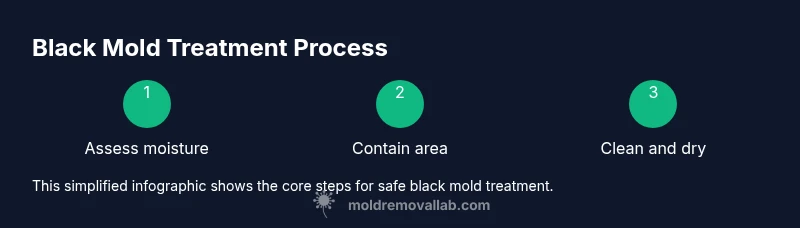
- Identify moisture sources before remediation.
- Contain the area to prevent cross-contamination.
- Choose DIY or pro remediation based on area size and material type.
- Dry thoroughly to prevent mold regrowth.
- Document steps and monitor moisture long-term.