Why Is Mold Growing in My House? A Practical Guide
Discover why is mold growing in my house and urgent steps to stop it. This Mold Removal Lab guide covers moisture sources, quick fixes, and when to call a professional for results.


Moisture drives indoor mold growth. The top two culprits are leaks and high humidity. Quick fix: locate and repair leaks, dry the area, and lower indoor humidity to under 50-60%. Consistent moisture control stops new growth. According to Mold Removal Lab, this approach applies to roofs, pipes, and basements daily for effective results.
Why mold grows in homes
If you're asking why is mold growing in my house, the short answer is that water finds a way to linger long enough for mold spores to take hold. Mold needs three things: a food source (organic material like wood, drywall, fabric), a suitable temperature, and persistent moisture. In most homes, the moisture issue is the culprit: a hidden roof leak, a damp basement, forgotten spills, or condensation on cold surfaces. Temperature in typical living spaces between 60-80°F supports growth, humidity above 60% can accelerate it, and porous materials absorb water, allowing colonies to establish themselves. The Mold Removal Lab team emphasizes that addressing moisture first yields the most durable results. In 2026 Mold Removal Lab analysis, most recurring mold problems trace back to moisture management failures rather than mysterious biological factors. Expect mold to reappear if you only scrub the surface without fixing the root cause. This section outlines how to identify moisture problems and begin the remediation process safely.
Signs You Have Mold
Mold often hides in plain sight. Look for: - Visible spots of green, black, or gray growth on walls, ceilings, or baseboards. - A persistent musty odor that won’t go away after cleaning. - Water stains, bubbling paint, or warped wallpaper. - Condensation on windows or cold surfaces that stays damp. - Health symptoms such as sneezing, coughing, or headaches when indoors. If several signs appear together, it’s time to investigate moisture sources and consider remediation. The presence of mold in damp areas is a clear alert that moisture control must be prioritized.
Immediate actions to stop spread today
Act quickly to limit spread while you plan a full remediation. First, locate and stop the moisture source (leaks, spills, or humidity). Open windows or run exhaust fans to improve airflow and reduce humidity. Contain the affected area with plastic sheeting and seal doors to prevent spores from migrating. Wear PPE: gloves, goggles, and an N95 mask to protect yourself from spores. Do not dry brush or sweep moldy surfaces; this can release spores into the air. For non-porous surfaces, wash with detergent and a mold-safe cleaner, then dry thoroughly. If you’re cleaning porous materials (drywall, insulation) and mold is penetrating deeply, plan for removal and replacement by a professional. After cleanup, monitor humidity and air quality to ensure the space dries fully.
Common moisture sources you may overlook
Moisture sneaks in from multiple places. Common sources include:
- Roof leaks or gutter failures that allow water to seep into walls.
- Plumbing leaks behind sinks, toilets, or appliances.
- Condensation on windows, cold pipes, or uninsulated walls.
- Poor bathroom ventilation and steam that lingers after showers.
- Basements or crawl spaces with poor drainage or high humidity.
- Insulation gaps that trap moist air.
- Water damage from floods or spills that weren’t fully dried.
Each source feeds mold if not addressed. Conduct a thorough inspection of roofs, plumbing, and HVAC condensation paths, especially in humid rooms like kitchens and bathrooms. Proactive moisture control is the foundation of lasting mold prevention.
Diagnostic-Flow overview
A practical diagnostic approach helps you identify the root cause before remediation. Start with symptom observation, move to cause identification, then apply targeted fixes. The flow below is a quick mental model you can use to decide on actions without waiting for a professional assessment. Always document observations and keep notes for future reference.
Long-Term prevention and maintenance plan
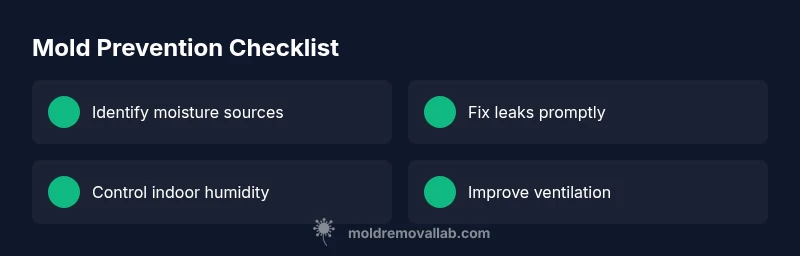
Prevention is the best remediation. Build a plan that combines moisture control, regular inspection, and air quality maintenance. Maintain indoor humidity between 30-50% with dehumidifiers in damp climates and ensure proper ventilation in bathrooms, kitchens, and laundry spaces. Use mold-resistant materials in high-moisture areas and seal penetrations in walls to prevent hidden leaks. Schedule seasonal checks for roofs, gutters, and HVAC systems, and keep gutters clean to prevent water intrusion. Educate household members about signs of moisture buildup and keep a simple log of humidity readings and any damp spots. A proactive routine reduces the likelihood of recurring mold problems and protects your family’s health.
When to call a professional
If mold covers more than a small, easily accessible area, or if the mold returns after a cleanup, consult a professional. For complex cases involving HVAC systems, insulation removal, or indoor air quality concerns, professional remediation is recommended. If you have respiratory issues, allergies, or compromised immune function, seek expert evaluation sooner rather than later. Delays can allow mold to spread to new areas, increasing cost and risk.
What to expect during remediation
A certified remediator will assess moisture sources, isolate affected spaces, and contain any dust. Expect containment barriers, air filtration devices, and a scope of work detailing removal, cleaning, and post-remediation checks. Depending on the extent, remediation can involve removing porous materials, treating non-porous surfaces, and installing moisture control upgrades. A credible crew will perform post-remediation verification to confirm mold clearance and provide guidance for ongoing prevention. Remember, moisture control is the core objective—without it, mold will likely return.
Steps
Estimated time: 2-6 hours
- 1
Identify moisture source
Conduct a visual inspection focusing on roof lines, plumbing, windows, and crawl spaces. Look for active leaks, stains, and dampness. Use a hygrometer to gauge humidity levels in suspect rooms.
Tip: Mark suspected areas with tape and photograph every spot before you begin work. - 2
Stop the moisture and dry the area
Repair leaks immediately and dry the area with fans and a dehumidifier. Aim to bring moisture content below 60% RH in affected zones and maintain good airflow until dry.
Tip: Keep doors and windows open if weather allows for cross-ventilation during the day. - 3
Assess mold extent and decide material removal
Evaluate whether mold is present on porous materials (drywall, carpet, insulation). Remove or quarantine contaminated materials if growth is extensive to prevent cross-contamination.
Tip: If you’re unsure about the extent, treat cautious removal as a separate, safer job. - 4
Clean non-porous surfaces
Clean hard surfaces (glass, metal, sealed wood) with detergent and a mold-safe cleaner. Rinse and dry thoroughly to prevent residual moisture.
Tip: Never use bleach on porous materials; it may not reach embedded spores. - 5
Contain and treat porous materials
Seal or replace contaminated porous materials and treat surrounding areas to prevent re-growth. Consider applying mold inhibitors only after removal, following product instructions.
Tip: Avoid disturbing dust; use enclosed bags for removal debris. - 6
Restore moisture control and monitor
Reinstall moisture barriers, seal penetrations, and continue humidity monitoring. Schedule follow-up checks to ensure no regrowth occurs.
Tip: Keep a simple log of humidity and damp spots for ongoing prevention.
Diagnosis: Musty odor and visible mold in moisture-prone areas
Possible Causes
- highChronic moisture from leaks
- highHigh indoor humidity without adequate ventilation
- mediumCondensation on cold surfaces
Fixes
- easyRepair leaks and improve drainage to stop ongoing moisture
- easyUse dehumidification and ventilation to bring RH below 50-60%
- mediumIsolate moldy materials and plan for safe removal and cleanup
FAQ
What causes mold growth inside a house?
Mold growth is driven by moisture from leaks, humidity, condensation, and poor ventilation. Without moisture control, mold can recur after cleaning.
Mold grows when moisture sticks around, especially in damp areas. Fixing moisture is key.
Is mold dangerous to health?
Mold exposure can irritate the eyes, skin, and lungs, and may trigger allergies or asthma symptoms in sensitive people. Severity depends on mold type and exposure level.
Mold can affect health, especially for those with allergies or asthma. Minimize exposure and address moisture.
Can I remove mold myself?
Small, non-porous mold can be cleaned with appropriate cleaners using proper PPE. Large, hidden, or porous-mass mold should be handled by professionals to ensure safety and thoroughness.
You can handle small cleanups if you’re careful and use the right gear, but big problems deserve a pro.
How long does remediation take?
Remediation duration depends on the extent of growth and moisture sources. Simple cases may take a day; larger issues can require several days and follow-up checks.
It varies by size, but you should plan for a few days in moderate cases and longer for extensive mold.
What humidity level is safe indoors?
A practical target is 30-50% relative humidity, depending on climate. Keeping humidity under 60% reduces mold risk, with 40-50% ideal for many homes.
Keep humidity around forty to fifty percent for best prevention.
When should I hire a professional?
Call a professional if mold covers a large area, returns after cleanup, or involves HVAC systems, insulation, or unknown sources. A pro can provide safe containment and proper remediation.
If the mold is widespread or keeps coming back, a professional remediation team is the safer choice.
Watch Video
The Essentials
- Identify and fix the moisture source first
- Keep indoor humidity below 50% regularly
- Use PPE during cleanup and avoid disturbing moldy dust
- Clean strategically on non-porous surfaces and replace where needed
- Plan for long-term moisture control to prevent recurrence