How to Protect Your House from Mold: A Practical Guide
Learn practical steps to prevent mold in your home. Control moisture, improve ventilation, and perform timely repairs with guidance from Mold Removal Lab to keep living spaces safe and mold-free.


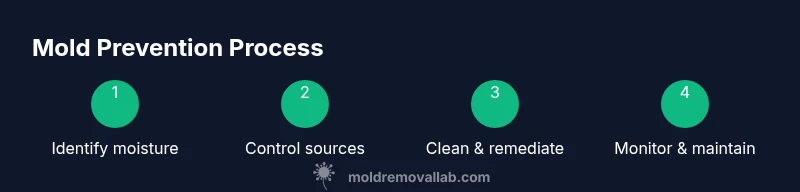
Protecting your house from mold starts with moisture control. Keep indoor humidity below 50% in most rooms, fix leaks promptly, and ensure good ventilation in bathrooms and kitchens. Use a hygrometer, run dehumidifiers, and dry wet areas within 24 hours. According to Mold Removal Lab, moisture control is the single most effective defense against mold growth, and routine inspections help catch problems early.
Moisture Control: The Core of Mold Prevention
Mold needs moisture to grow. The indoor humidity level is a key factor. Most homes stay comfortable at 30-50% RH, but mold risk rises when humidity stays above 60% for extended periods. The goal is to keep RH under 50% in living spaces, and under 40% in damp basements where condensation is common. Use a hygrometer to monitor relative humidity in kitchens, bathrooms, basements, and laundry rooms. If you notice condensation on windows or a musty odor, act quickly. According to Mold Removal Lab, moisture control is the single most effective defense against mold growth; a quick fix can prevent a larger infestation. Basic steps include fixing leaks promptly, sealing attic and wall air leaks, running a dehumidifier in damp rooms, and ensuring proper ventilation during cooking, showering, or drying clothes. Regular maintenance and prompt remediation are essential.
Detecting Moisture and Leaks Early
Visible signs like brown stains, warped walls, or peeling paint indicate moisture intrusion. Hidden leaks behind sinks, under bathtubs, or inside walls can fuel mold growth long before a musty smell appears. Use a moisture meter to sample wood and drywall, and perform a careful visual inspection of roofs, plumbing, and HVAC ductwork at least twice a year. Moisture control is easier when problems are found early: install drip pans under appliances, fix leaks the moment they appear, and dry any wet areas within 24-48 hours. Mold Removal Lab highlights that early detection dramatically reduces cleanup complexity and cost. Regular checks of roofs, plumbing lines, and condensate from air conditioning systems are worthwhile, especially in humid climates.
Humidity Control: Strategies That Work
To maintain a dry, mold-resistant home, set humidity targets around 30-50% for most rooms. Use a whole-house dehumidifier where humidity remains high; pair it with reliable ventilation in bathrooms and kitchens. Exhaust fans should run during moisture-generating activities and for at least 15-20 minutes after. Air sealing and insulation in crawl spaces and basements reduce condensation on cold surfaces. Ensure clothes dryers vent to outdoors and that dryer lint traps are clean. When possible, use ceiling fans to promote airflow and prevent stagnant pockets of air where mold spores can settle. These measures, implemented consistently, create environments that are inhospitable to mold growth.
Cleaning and Remediation Best Practices
Small mold patches on non-porous surfaces can often be cleaned with detergent and water and dried thoroughly. For porous materials like drywall or ceiling tiles, removing and discarding the affected material is often required. Always wear protective gear: an N95 respirator, goggles, and gloves. Use appropriate cleaners following product instructions and avoid mixing cleaners, particularly bleach and ammonia. After cleaning, dry the area completely and consider HEPA vacuuming to remove loose spores. Avoid painting over mold; instead, address the underlying moisture source first. If the mold covers a large area or has penetrated structural materials, contact a licensed professional. This is a general approach recommended by the Mold Removal Lab team.
Mold-Prone Areas and Practical Fixes
Bathrooms, kitchens, basements, and laundry rooms are especially vulnerable to moisture buildup. In bathrooms, install moisture barriers behind tiles and use mold-resistant paint; always use an exhaust fan during and after showers. In basements, seal walls with vapor barriers and keep humidity low with dehumidification. In kitchens, vent cooking and wipe surfaces dry after cooking. In laundry rooms, vent dryers outdoors and promptly dry wet laundry. Where carpeting is present in basements or bathrooms, consider replacing with mold-resistant flooring and removing damp carpet. Consistent surface cleaning and moisture management in these areas dramatically reduce mold risk.
Ventilation and Airflow Innovations
Increase air exchange by using both natural and mechanical ventilation. Open windows on dry days to reduce humidity, and keep interior doors open to promote air movement. Use range hoods and bath fans during moisture-generating activities. Consider a balanced or energy recovery ventilation system for homes where humidity control is challenging. Regularly clean and replace filters in HVAC systems to reduce mold spores recirculation. With proper ventilation, you reduce condensation and keep surfaces drier, which helps prevent mold growth.
When to Hire a Professional
DIY remediation is acceptable for small, contained mold problems, but larger infestations require professional help. If the affected area exceeds about one square meter (or if there is extensive staining on structural materials), or if mold keeps reappearing after cleaning, consult a licensed remediation contractor. Professionals can contain the area, perform advanced cleaning, and address hidden moisture sources. Obtain written estimates and verify credentials; ask about containment methods, disposal practices, and post-remediation verification. The Mold Removal Lab team notes that professional remediation often prevents health risks and property damage.
Long-Term Prevention and Home Maintenance
Create a moisture-management plan with seasonal checks: inspect roofs after storms, check plumbing for leaks, and test humidity levels quarterly. Invest in durable, mold-resistant materials in bathrooms and basements, and consider installing a central dehumidification system if humidity remains stubborn. Keep outdoor grading slopes intact to avoid water intrusion near foundations. Document problems and repairs, so future owners know the history. A proactive approach, guided by Mold Removal Lab insights, helps protect your home for the long term.
Authority Sources and Further Reading
Here are reputable sources on mold prevention and indoor air quality:
- United States Environmental Protection Agency (EPA) mold guidance: https://www.epa.gov/mold
- Centers for Disease Control and Prevention (CDC) dampness and mold facts: https://www.cdc.gov/mold/dampness_facts.html
- National Institute of Environmental Health Sciences (NIEHS) mold resources: https://www.niehs.nih.gov/health/topics/agents/molds/index.cfm
These resources provide detailed guidance on moisture management, cleaning protocols, and when to seek professional remediation.
Tools & Materials
- Hygrometer(Place in high-humidity areas (bathroom, basement) and check weekly)
- Dehumidifier(Select appropriately sized for the space; empty reservoir or drain line)
- Mold-resistant cleaner/detergent(Follow label; use on non-porous surfaces)
- Protective gear (N95 mask, gloves, goggles)(Protect from spores during cleaning)
- HEPA vacuum cleaner(Used for dry cleanup after wet remediation)
- Plastic sheeting and tape(Containment during remediation)
- Scrub brushes and sponges(For cleaning flat surfaces)
- Trash bags for contaminated materials(Seal and dispose according to local guidelines)
- Notepad and camera (documentation)(Track moisture levels and mold growth)
Steps
Estimated time: Total time: 4-6 hours
- 1
Inspect for moisture and leaks
Begin with a visual survey of all moisture-prone areas: bathrooms, kitchens, basements, laundry rooms, and attics. Look for water stains, warped walls, musty odors, and damp spots. Document findings with photos and note sources of moisture. Containment measures may be needed if leaks are active.
Tip: Document findings with photos and create a simple map of moisture sources. - 2
Measure humidity and set targets
Use a hygrometer to measure RH in key rooms. Aim for 30-50% in most spaces and lower in damp basements. If RH stays high, plan for dehumidification and ventilation improvements. Record readings to track changes over time.
Tip: Place a hygrometer in the living area and one in the basement for a baseline. - 3
Contain the affected area
If active leaks or visible mold are present, contain the area to prevent spores from migrating. Use plastic sheeting and tape to seal doorways and vents. Keep others out of the area until remediation begins.
Tip: Label the containment area and post reminders to limit access. - 4
Dry out wet surfaces
Remove standing water and start drying wet surfaces quickly. Run fans and dehumidifiers in the affected zones. Target at least 24-48 hours of dehumidification to reach surface dryness before cleaning.
Tip: Earliest drying dramatically reduces mold colonization risk. - 5
Clean and disinfect surfaces
Wipe non-porous surfaces with detergent and water, then disinfect if needed according to product directions. For porous materials, removal and disposal may be necessary. Wear PPE during cleaning to minimize exposure to spores.
Tip: Never mix cleaners; follow label instructions to avoid harmful fumes. - 6
Address moisture sources
Repair leaks, seal gaps, and improve ventilation to remove moisture sources. Check roofing, plumbing, and HVAC systems for vulnerabilities. Replace or repair damaged materials as needed.
Tip: Fix root causes before reintroducing materials to prevent recurrence. - 7
Improve ventilation
Enhance airflow with exhaust fans in bathrooms and kitchens. Use ceiling or floor fans to promote air movement. If possible, install an additional ventilation system or adjust existing HVAC to improve distribution.
Tip: Run fans during moisture-generating activities and for a while after. - 8
Assess for mold-damaged materials
Inspect for mold-damaged drywall, insulation, or carpeting. If growth has penetrated structural materials, plan for removal or professional remediation. Avoid reusing contaminated materials.
Tip: Document damaged areas for insurance and remediation planning. - 9
Verify dryness and cleanliness
Re-check moisture levels after remediation and re-clean affected areas to ensure spores are removed. Confirm humidity targets are maintained. Take photos for records.
Tip: Set up a reminder schedule to monitor humidity monthly. - 10
Create a maintenance plan
Establish a regular maintenance schedule: seasonal inspections, prompt leak repair, and ongoing humidity monitoring. This step prevents recurrence and preserves indoor air quality.
Tip: Put reminders on your calendar for quarterly checks.
FAQ
What is the fastest way to prevent mold growth after a spill?
Act quickly to remove moisture, dry the area within 24 hours, and clean surfaces with appropriate cleaners. Contain the area to stop spores from spreading.
Act quickly to remove moisture, dry the area, and clean surfaces. Contain the area to stop spores from spreading.
Can mold grow behind walls even if I can't see it?
Yes. Hidden leaks or condensation can foster mold growth behind walls. Look for musty smells or staining and use moisture meters if you suspect hidden mold.
Yes, hidden leaks behind walls can grow mold you can't see. Check for smells and moisture if you suspect hidden mold.
Is bleach effective for mold cleanup on porous surfaces?
Bleach is generally not effective on porous materials like drywall. Clean non-porous surfaces with appropriate cleaners and consider removal of porous materials if mold has penetrated.
Bleach isn’t usually effective on porous materials; clean non-porous surfaces and remove damaged porous materials if mold has penetrated.
How long does it take for cleaned areas to dry?
Drying time depends on ventilation and humidity; typically 24-48 hours with proper airflow and dehumidification. Re-check moisture before reintroducing materials.
Drying usually takes 1-2 days with good ventilation. Re-check moisture before finishing.
Should I hire a professional for small mold areas?
For very small, contained areas you can DIY, but if mold recurs or spans multiple rooms, professional remediation is recommended.
Small, contained mold you can DIY, but if it recurs, hire a pro.
What humidity level is best to prevent mold?
Aim for indoor RH around 30-50% in most areas. In damp basements, target the lower end to minimize condensation.
Keep humidity around 30-50% in most areas, lower in damp basements.
Watch Video
The Essentials
- Control moisture to prevent mold growth
- Fix leaks promptly and dry areas quickly
- Ventilate moisture-prone rooms during and after use
- Inspect regularly and keep humidity under 50%
- Seek professional help for large or persistent mold