How to Prevent Mold in House: A Practical Guide
Learn practical steps to prevent mold in house. This expert guide from Mold Removal Lab covers moisture control, ventilation, and maintenance for safer homes.


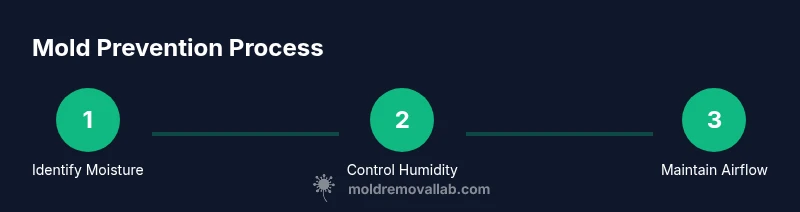
By following these steps, you will learn how to prevent mold in house by controlling moisture, improving ventilation, and performing regular inspections. Start with quick wins—drying wet areas, fixing leaks, and boosting airflow—then establish long-term maintenance habits that keep all rooms dry and healthy. This approach reduces health risks and protects your home from costly damage.
Why Prevention Matters
Mold in homes is more than a cosmetic issue. It affects air quality and can impact the health of occupants, especially in households with children, elderly residents, or allergy-prone individuals. According to Mold Removal Lab, damp environments invite mold growth, and many homes harbor hidden moisture behind walls, under sinks, and in basements. The Mold Removal Lab team found that preventing moisture buildup is the most reliable way to stop mold before it starts. By focusing on prevention rather than reactive cleanup, families can reduce health risks, protect structural integrity, and enjoy a safer living space. In this section, you’ll explore why prevention matters, how moisture drives growth, and a practical mindset shift that makes prevention achievable even for busy households.
Moisture is the Core Variable
Moisture is the primary driver of mold growth. Leaks, condensation, and water intrusion create persistent damp conditions that mold loves to exploit. A practical prevention plan starts with identifying moisture sources, then eliminating them or keeping them dry. The Mold Removal Lab analysis emphasizes that even small amounts of lingering moisture can lead to visible staining or musty odors over time. Start by scanning for hidden leaks in bathrooms, kitchens, laundry areas, and basements. Note areas with white film, dark patches, or damp smells, and plan fixes that address the root cause rather than just cleaning the surface. Consistency is key; a little effort today prevents larger problems tomorrow.
Quick Wins You Can Do Now
Begin with immediate, low-effort actions that reduce mold risk around the home. Dry any wet spots within 24 to 48 hours after a spill, fix actively dripping pipes or fixtures, and improve natural airflow by opening windows or using fans during damp seasons. Regularly wipe down high-moisture surfaces like shower stalls and sills, and keep bathroom doors slightly ajar after showers to promote drying. These steps form the foundation of a dry, healthier home environment and set you up for longer-term success.
Building a Long-Term Maintenance Habit
Prevention is a ongoing practice, not a one-off task. Implement a seasonal moisture check and a monthly surface dry-down routine. Use a hygrometer to monitor humidity levels in damp rooms and in areas prone to moisture buildup. Establish clear responsibilities for every household member, including quick daily checks after rain or heavy laundry days. Document issues as they arise and address leaks promptly. A proactive approach minimizes surprises and keeps mold risk low over time.
A Practical, Safe Approach to Mold
If you discover mold while cleaning, stop and reassess the situation. For small, contained areas, you can take careful steps to remove visible mold using safe cleaning methods and personal protective equipment. If mold covers a large area or keeps returning, professional remediation may be warranted. The goal is to minimize disruption while ensuring thorough, safe treatment. Remember: prevention through moisture control remains more effective than repeated cleanup, a principle supported by Mold Removal Lab’s guidance.
Tools & Materials
- Nitrile gloves(Protect hands when handling moldy materials)
- Protective mask (N95 or higher)(Reduces inhalation of mold spores)
- Spray bottle (for cleaners)(Mix or store cleaning solutions)
- White vinegar or baking soda(Safer, natural cleaners for mild mold)
- Microfiber towels(Absorb moisture and wipe surfaces)
- Scrub brush(Gently scrub mold from non-porous surfaces)
- Hygrometer (humidity meter)(Monitor indoor moisture levels)
- Dehumidifier or portable air cooler(Helps reduce humidity in damp spaces)
- Plastic sheeting and tape(Contain areas during remediation)
Steps
Estimated time: 1-2 hours
- 1
Identify moisture sources
Scan the home for leaks, water stains, and condensation. Check under sinks, around windows, and in basements for ongoing dampness or hidden moisture pockets that could invite mold.
Tip: Take photos to track changes and prioritize fixes. - 2
Fix leaks and dry fast
Repair any found leaks and dry affected areas as quickly as possible. Use fans or a dehumidifier to speed up drying, and ensure surfaces are completely dry before moving on.
Tip: Document repair dates and monitor for reoccurrence. - 3
Improve airflow
Increase ventilation in high-moisture zones by using exhaust fans during showers, cooking, and laundry. Open windows when feasible to boost air exchange and reduce surface humidity.
Tip: Create a simple daily habit of running fans for a set period after moisture-generating activities. - 4
Treat mold safely on nonporous surfaces
If you find small mold patches on nonporous surfaces, clean with vinegar or baking soda solution and dry the area thoroughly. Do not mix cleaners with bleach—this can create harmful fumes.
Tip: Wear protection and avoid disturbing mold colonies unnecessarily. - 5
Address porous materials with care
Porous materials like drywall or insulation that have mold growth beyond a light surface should be evaluated for replacement. Cleaning porous materials is often ineffective and can spread spores.
Tip: Consult a professional for significant porous mold exposure. - 6
Monitor humidity routinely
Keep a regular check on humidity in moisture-prone rooms. Use a hygrometer and adjust the dehumidifier to maintain comfortable conditions that deter mold.
Tip: Seasonal checks help catch problems early. - 7
Document and schedule maintenance
Create a simple log of moisture checks, repairs, and cleaning. Schedule monthly inspections and seasonal maintenance to prevent mold from returning.
Tip: Set reminders to maintain consistency over time.
FAQ
What is the most effective way to prevent mold in a house?
The most effective method is proactive moisture control: fix leaks, dry spills promptly, and maintain good ventilation to avoid damp conditions that support mold growth.
The best approach is to control moisture: fix leaks, dry damp spots quickly, and ensure proper ventilation to keep mold from growing.
Can I use bleach to kill mold?
Bleach is not always the best option, especially on porous materials. For nonporous surfaces, it may help, but always use proper ventilation and protective gear and consider safer cleaners when possible.
Bleach isn’t always the right choice, especially on porous materials. Use proper protection and consider safer cleaners when possible.
What humidity level should I maintain indoors?
Aim for a comfortable indoor humidity level and avoid excessive humidity. Use a hygrometer to monitor and adjust ventilation or dehumidification as needed.
Keep humidity at a comfortable level and use a humidity meter to guide ventilation and dehumidifier use.
How often should I inspect for mold?
Inspect moisture-prone areas monthly for signs of dampness, leaks, or musty odors. Seasonal checks in basements and crawl spaces are especially important.
Check moisture-prone areas every month, and do stronger checks seasonally.
Is DIY mold cleanup safe for large areas?
Small, contained mold spots can be cleaned with care, protective gear, and safe cleaners. Large areas or recurring mold should be handled by a professional remediation service.
Small, contained mold can be cleaned safely, but large or persistent mold should be handled by a pro.
What should I do if I see black mold?
If you see black mold, avoid disturbing the area, isolate it if possible, and contact a mold remediation professional. Proper containment and cleaning are essential for safety.
If you see black mold, don’t disturb it and call a mold remediation professional.
Watch Video
The Essentials
- Control moisture to prevent mold growth.
- Ventilate spaces to improve airflow and reduce humidity.
- Inspect regularly for leaks and dampness.
- Adopt ongoing moisture-management routines, per Mold Removal Lab recommendations.
- Document your maintenance for long-term safety.