How to Prevent Molds in Room: A Practical Guide
Learn practical, evidence-based steps to prevent molds in room. Control humidity, fix leaks, improve ventilation, and maintain surfaces with a clear 6-step plan from Mold Removal Lab.


From humidity control to moisture reduction, this guide shows how to prevent molds in room. You’ll learn practical, proven steps to keep indoor air dry, surfaces clean, and water intrusion minimized. Expect a clear 6-step plan, essential tools, and ongoing maintenance to sustain a mold-free home. This approach aligns with Mold Removal Lab guidance for safe, sustainable results.
Why Preventing Molds in Room Matters
According to Mold Removal Lab, keeping rooms dry is essential for indoor air quality and health. Moisture is the primary trigger for mold growth, and even small leaks can lead to visible or hidden colonies behind walls, under sinks, or on ceiling joists. Understanding how moisture enters a room helps you choose effective prevention steps. If you're wondering how to prevent molds in room, the answer begins with moisture control, observation, and prompt action. In most homes, the biggest culprits are condensation on cold surfaces, roof or plumbing leaks, and high humidity during cooking, showers, or laundry. By prioritizing dryness, you reduce spores, allergic reactions, and potential structural damage. This article provides a practical, evidence-based plan aligned with Mold Removal Lab guidance for safe, sustainable results. You'll learn how to identify sources, set humidity targets, improve airflow, and maintain moisture barriers so your living spaces stay healthier and mold-free.
Common Moisture Sources in Indoor Rooms
Molds thrive where water is present, so identifying moisture sources is essential. In many rooms, leaks originate from roofs, windows, plumbing, or HVAC condensate. Condensation forms on cold surfaces like exterior walls or metal fixtures, especially during seasonal changes. High indoor humidity can come from cooking, showering, or drying clothes indoors without adequate ventilation. Poor insulation and air leaks around windows, doors, or attic access allow warm moist air to meet cool surfaces, creating hidden damp zones behind wallpaper, under floorboards, or in ceilings. Regular visual inspections, as well as simple humidity checks, help catch problems before visible mold appears. Keeping gutters clear and sealing gaps minimizes water ingress. Remember that even small, persistent moisture problems can create a hospitable environment for molds to take hold over weeks or months.
Core Strategies for Moisture Control
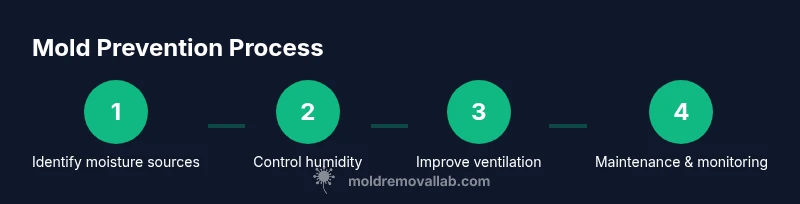
The core strategy to prevent spores from growing is to manage moisture everywhere in the room. Start with humidity control: aim to keep relative humidity generally below 50% where possible, and use a dehumidifier or air conditioner in damp spaces. Use exhaust fans in bathrooms and kitchens; ensure they vent outdoors rather than into the attic or crawlspace. Insulate cold surfaces and seal gaps around windows and doors to prevent condensation. Repair pinhole leaks promptly and fix dripping faucets or pipes to stop water damage at the source. Create moisture barriers behind walls in high-water areas and use mold-resistant paints or sealants on vulnerable surfaces. Finally, integrate routine cleaning and dry-dusting to prevent settled spores from colonizing.
Room-Specific Tips: Bedrooms, Living Rooms, Bathrooms
Bedrooms and living rooms benefit from steady conditioning and airflow. Use ceiling or oscillating fans to circulate air and prevent stagnant humidity pockets. In bathrooms, run exhaust fans for 20 minutes after showers and wipe down wet surfaces daily. Kitchens should have a vented range hood and a reachable moisture-control routine. For all spaces, keep indoor plants to a minimum and clean planters regularly, as damp soil can harbor mold. Check under sinks, behind appliances, and inside cabinets for damp odors, soft spots, or water stains. If you notice persistent dampness near a window frame, address the source quickly, as mold can establish in as little as a few days under favorable conditions.
Maintenance Routine to Prevent Mold
Make moisture control a weekly habit. Inspect each room for condensation, leaks, or damp patches, and note changes in humidity with a hygrometer. Empty condensate from dehumidifiers, wash reusable air filters, and clean surfaces with a dedicated mold-safe cleaner. Wipe down bathroom tiles and around faucets after use, and dry the area completely. Re-seal weather-stripping and fix leaks as soon as they are detected. Schedule seasonal checks for roof, plumbing, and HVAC systems, and ensure gutters direct water away from the foundation. Keep a log of humidity readings and damp spots to spot trends early.
When to Seek Professional Help
If you encounter persistent moisture problems, visible mold growth over 10 square feet, or musty odors that linger despite cleanup, contact a mold remediation professional. Mold can hide behind walls and under flooring, and improper DIY removal may spread spores. Seek a licensed contractor to assess moisture sources, verify moisture levels, and perform safe remediation. In many cases, addressing structural issues and improving ventilation yield better long-term results than temporary fixes.
Tools & Materials
- digital hygrometer or humidity monitor(Place in the living area and near moisture-prone spots to track RH levels)
- dehumidifier or air conditioner with dehumidification capability(Use in damp rooms; empty reservoir regularly)
- mold-safe cleaner or cleaning solution suitable for mold prevention(Choose products labeled for mold prevention and surface safety)
- silicone caulk or moisture barrier sealant(Seal edges around windows, sinks, and tubs to reduce moisture ingress)
- caulking gun and putty knife(Apply sealant evenly to gaps and joints)
- protective gloves, mask, and safety glasses(Wear when cleaning or handling mold-prone areas)
- flashlight or inspection mirror(Check hidden spaces under sinks or behind appliances)
Steps
Estimated time: 60-120 minutes (initial assessment) + ongoing monitoring
- 1
Identify moisture sources
Begin with a quick room audit to locate leaks, condensation, and damp areas. Look behind fixtures, under sinks, and around windows. Note sources for later fixing and monitor if damp patches reappear after rain or heavy use.
Tip: Document sources in a notebook or app so you can track fixes and outcomes. - 2
Set humidity targets and measure
Install or place a hygrometer in each room to monitor relative humidity. Aim to keep RH generally under 50% where possible, and reduce readings in damp rooms with a dehumidifier. Recheck after implementing fixes to confirm improvements.
Tip: Record daily RH at the same time for consistent comparison. - 3
Improve ventilation and airflow
Ensure bathrooms and kitchens exhaust to outdoors, not into the attic. Use ceiling or portable fans to create air movement in living spaces. Open doors between rooms in dry weather to promote cross-ventilation where safe.
Tip: Avoid circulating moist air between spaces when humidity is high. - 4
Dry and clean after moisture events
Wipe and dry spills, showers, and surfaces promptly. Use towels or squeegees to remove water from windows and tiles. Dry out areas before closing doors to prevent lingering moisture that feeds mold.
Tip: Consider a quick wipe-down after cooking or showering as a routine. - 5
Repair leaks and seal gaps
Fix roof leaks, plumbing drips, or window gaps quickly. Replace worn seals and reseal joints with silicone or approved sealants. After repair, re-test humidity to ensure the fix reduced moisture ingress.
Tip: Address structural sources first; cosmetic fixes without sealing leaks won’t solve the root problem. - 6
Monitor and maintain environment
Set up a maintenance schedule for seasonal checks of roof, plumbing, and HVAC. Reassess humidity levels and moisture-prone areas quarterly. Keep a record log to identify trends and react early to rising moisture.
Tip: Use the log to trigger preventive actions before problems escalate.
FAQ
What is the best humidity level to prevent mold growth in a room?
Keep indoor relative humidity below 50% when possible, and lower it in damp spaces using ventilation or a dehumidifier. Regular monitoring helps maintain safe levels.
Keep humidity under 50% to slow mold growth, and use ventilation or a dehumidifier to maintain those levels.
How quickly can mold grow after a moisture event?
Mold growth can begin within 24-48 hours under favorable moisture conditions, so quick cleanup and drying are essential.
Mold can start growing within a day or two after moisture exposure, so act fast.
Are houseplants a mold risk?
Overly damp soil can harbor mold. Use clean pots and let soil dry between waterings, especially in rooms with ongoing moisture.
Be mindful of damp soil in planters; dry between waterings to reduce mold risk.
Is it safe to remove mold myself?
Small, contained mold growth (less than 10 square feet) can be managed with protective gear and proper cleaning. Large areas or structural mold should be handled by professionals.
For small areas you can clean it yourself with protection, but larger outbreaks need experts.
How often should I check humidity levels?
Check humidity weekly in high-moisture seasons and after major moisture events. Maintain a log to spot rising trends early.
Check humidity weekly, especially during damp seasons, and keep a log.
What tools help detect hidden moisture?
Use moisture meters, infrared cameras, and hygrometers to identify hidden damp spots behind walls or under floors.
Moisture meters and infrared tools help find hidden damp areas before they show as mold.
Watch Video
The Essentials
- Control humidity to reduce mold risk
- Fix leaks and seal surfaces promptly
- Improve ventilation to keep air moving
- Dry wet areas quickly and routinely inspect for damp spots
- Maintain a moisture-management routine with records